
By Mathew Mattam
South Africa had always lived somewhere in my imagination. Much of that fascination came from Mahatma Gandhi. Long before Gandhi became the leader of India’s freedom struggle, South Africa became an important laboratory for his ideas on dignity, discrimination, resistance and non-violence. For an Indian who grew up reading about Gandhi, visiting South Africa therefore carries an emotional meaning beyond tourism.
When I recently had an opportunity to visit Cape Town in connection with the Global Entrepreneurship Congress, I went there not merely as a conference participant. I wanted to observe the city—its people, streets, public spaces, businesses, waste systems and everyday civic culture. What I saw made me repeatedly think about India.

For nearly two decades, I have been associated with water, sanitation and hygiene promotion in India. I have travelled through villages, tribal areas, slums and expanding cities, witnessing both extraordinary progress and persistent challenges. Perhaps because of this background, the first thing that struck me about Cape Town was something very simple: cleanliness.
It was not the artificial cleanliness one sometimes sees around airports, tourist destinations or VIP areas. There appeared to be a broader sense of order in streets and public spaces. Waste management seemed to be treated as part of the functioning of the city rather than merely as a municipal cleaning exercise.
Recycling is encouraged, and technology is increasingly making waste collection and recycling more accessible. App-based and organised collection services demonstrate how citizens, businesses, waste collectors and recycling systems can be connected.
This made me think about Indian cities. We often approach waste management from the wrong end. We generate waste, mix it, dump it and then spend enormous resources trying to clean it up. Our cities employ thousands of sanitation workers and waste pickers, yet we still struggle with overflowing bins, plastic litter, dumping grounds and mountains of accumulated waste.
Cape Town reinforced a conviction I have developed through years of working in WASH and waste management: a clean city is not created by more sweepers alone. It is created by a system. Segregation, collection, recycling, citizen behaviour, technology, enforcement, markets for recyclable materials and dignity for waste workers must work together.
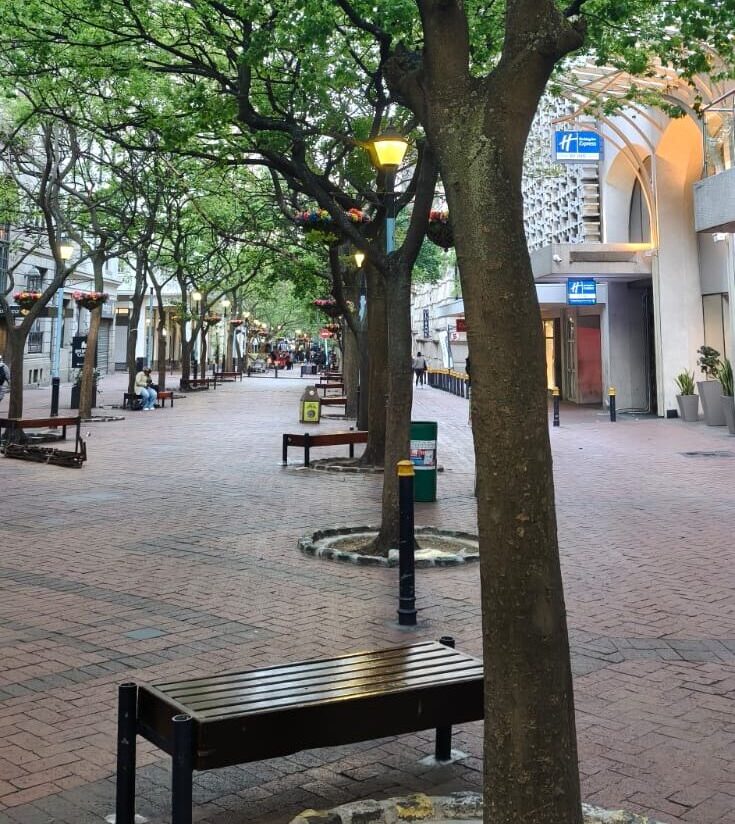
Another striking experience was traffic discipline. South Africa has a much smaller population than India, so comparisons have limitations. Yet population alone cannot explain civic discipline. What impressed me was the predictability of road behaviour. Lane discipline, pedestrian consideration and respect for traffic systems make movement less stressful.
Coming from Pune, I could not avoid comparing the experience. Pune is one of India’s great centres of education, technology, entrepreneurship and culture. But anyone negotiating its traffic knows how quickly a journey can become exhausting. Rapid urbanisation has brought vehicles faster than our roads and public transport systems have been able to accommodate them.
The lesson is not that Cape Town should simply be copied. Indian cities have different densities, histories and socioeconomic realities. The lesson is that discipline itself is urban infrastructure. We invest in flyovers, roads and bridges, but behavioural infrastructure matters too.
Cape Town also showed me how deliberately a city can present itself to the world. The simple tourism identity “Love Cape Town” caught my attention. A city does not need hundreds of disconnected messages. It needs an identity people can remember.
Seasonal experiences and offers around winter, spring and summer give visitors reasons to return at different times of the year. Table Mountain provides an extraordinary natural identity. The waterfront, cruises, beaches, wine regions, food and heritage together create an ecosystem rather than a collection of isolated attractions.
This has an important lesson for India. Our cities possess extraordinary assets, but we frequently fail to package them into a coherent experience. Pune has the legacy of the Peshwas, the freedom movement, social reformers, educational institutions, theatre, literature, food, the Western Ghats and a powerful technology and start-up ecosystem. Yet what is the single global story Pune tells a visitor?
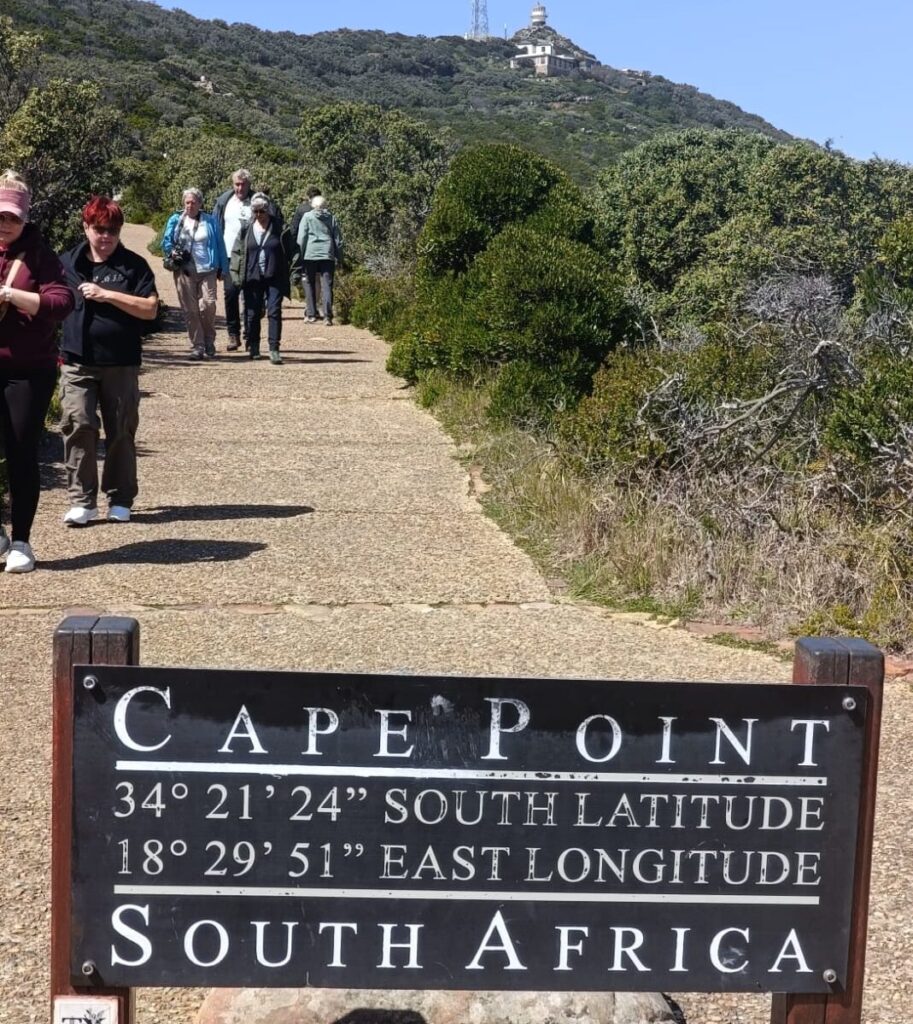
What is the equivalent of “Love Cape Town”? Every Indian city does not need to become Cape Town. It needs to discover what makes itself distinctive.
Another lesson came from Cape Town’s treatment of public spaces and heritage. Development does not necessarily have to mean erasing the past. Heritage buildings and historic precincts can remain economically productive parts of a modern city.
India desperately needs this conversation. We sometimes treat old buildings as obstacles to development and public spaces as unused real estate waiting for commercial exploitation. Yet a city’s memory lives in its streets, markets, buildings, parks and neighbourhoods. Once destroyed, that memory cannot be recreated through a beautification project.
The Cape Town International Convention Centre, where the Global Entrepreneurship Congress brought participants from around the world, offered another insight. A convention centre is not merely a building. It becomes part of an economic ecosystem.
Thousands of participants need hotels, taxis, restaurants, local experiences, technology, event management, security and numerous other services. International conferences therefore create opportunities far beyond the conference hall.
This connection between entrepreneurship, tourism and city development fascinated me. Entrepreneurship flourishes not only because people receive business training or loans. It grows when cities create markets and opportunities around them.
A tourist buying from a local craft entrepreneur matters. A conference delegate eating at a neighbourhood restaurant matters. A recycling company getting access to segregated waste matters. A street vendor operating in a well-designed public space matters.
Ease of doing business must therefore eventually become ease of doing small business. That may be one of the most relevant lessons for India.
Our discussion on entrepreneurship often begins with start-ups, venture capital and unicorns. These are important, but millions of Indians operate tiny enterprises—food stalls, tailoring units, repair shops, transport services, home enterprises, recycling businesses and neighbourhood stores. A genuinely entrepreneurial city must work for them too.
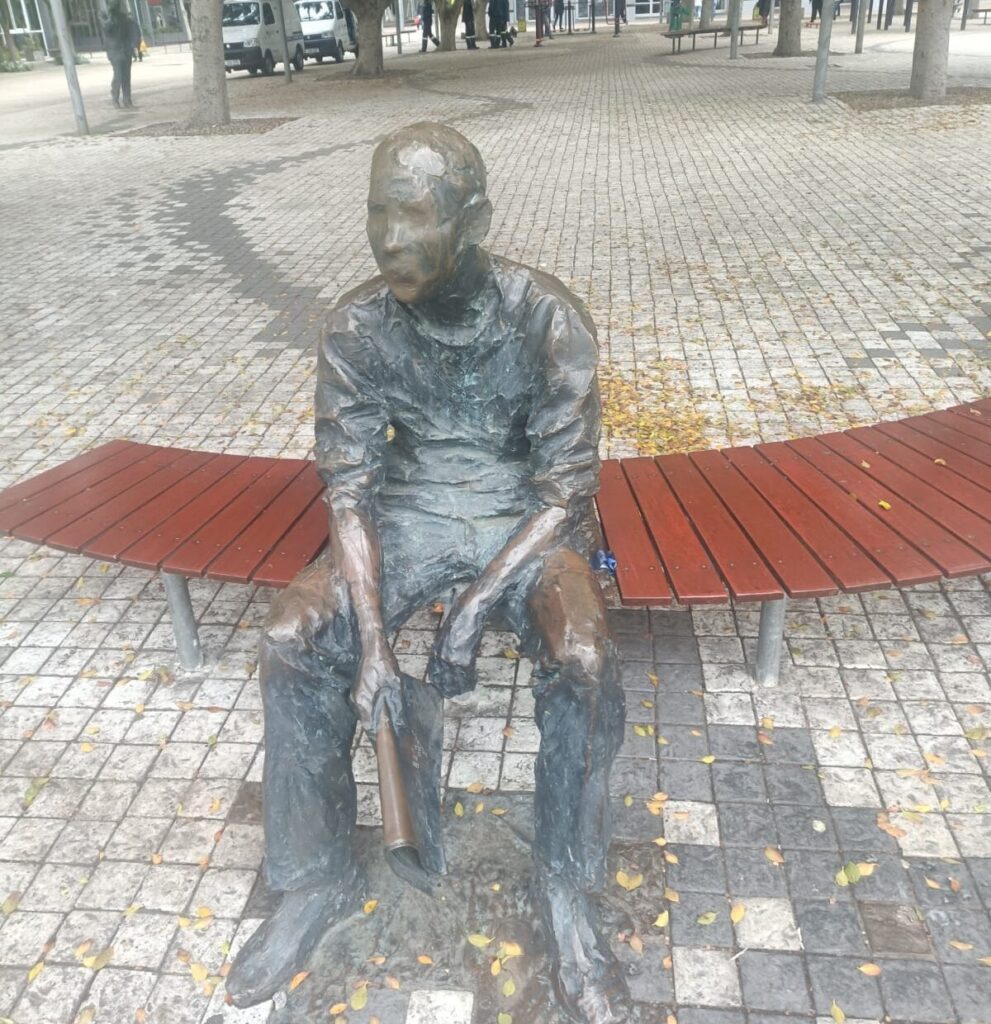
India does not lack money, technology, entrepreneurship or human capability. What we often lack is integration. Tourism is planned separately from entrepreneurship. Waste is separated from economic development. Heritage is separated from city planning. Traffic is separated from citizen behaviour. Public spaces are separated from local enterprise. But a city is one living ecosystem.
Perhaps that is the most important lesson I brought home from Cape Town.
Cleanliness is not only about waste. Tourism is not only about tourists. Entrepreneurship is not only about businesses. Heritage is not only about the past. Traffic discipline is not only about vehicles. Together, they determine whether a city is liveable, investible and lovable.
Cape Town has its own inequalities and challenges, and a short visit cannot reveal the full complexity of South African society. But travel allows us to observe possibilities.
As I walked through Cape Town, I kept asking myself a simple question: Why can’t Pune—and many other Indian cities—do this in our own way?
