
By ImpactLens Correspondent
World Mental Health Day is observed on 10 October every year. It raises awareness about mental health and helps challenge the stigma linked to mental health conditions. But the need to talk about mental health does not end when the day passes. It is an issue that deserves our attention throughout the year. The theme for World Mental Health Day 2026 is “Lived Experiences Heard: Real Voices, Real Change.” It highlights the need to listen to people who have experienced mental health conditions and involve them in decisions that affect their lives. This raises an important question: Are we truly listening to people, or are we simply talking about mental health?
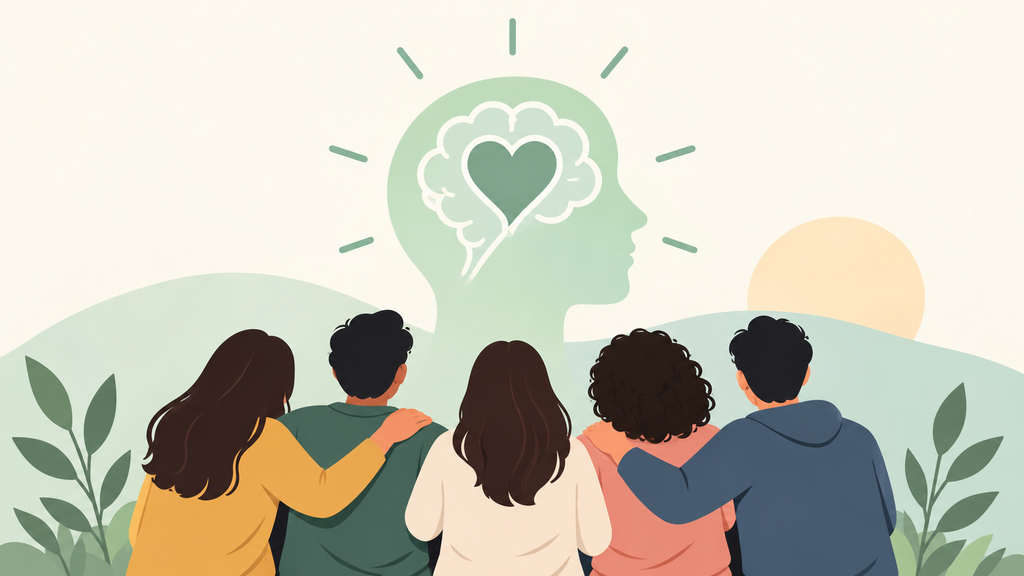
People with lived experience have much to teach us. Their stories can help us understand the challenges they face and the support they need. Their experiences can also reveal gaps in mental health services and help shape better policies. However, speaking openly is not always easy. People may fear judgement, ridicule or discrimination. Others may offer advice without trying to understand what they are going through.
These responses can discourage people from sharing their concerns or seeking help. Creating a supportive environment means more than asking people to share their stories. It also means listening with care, respect and an open mind.
Why Is It Important to Talk About Mental Health?
Mental health affects people of all ages. Young people, in particular, face challenges that can affect their emotions, relationships, education and daily lives.
Data from UNICEF India highlights the need to take young people’s mental health seriously. According to UNICEF, 7.3% of young people aged 18–29 experience mental health difficulties, described as overall mental morbidity. A 2022 NCERT survey of school students found that 11% reported anxiety and 43% reported mood swings.
These findings show why young people’s emotional well-being needs attention. They face pressure related to studies, jobs, relationships and family expectations. Yet, their concerns are not always understood. Emotional distress may be dismissed as a normal part of growing up. Young people who speak about their struggles may be told to stop worrying or simply be stronger. Such responses can make them feel that their problems do not matter. As a result, they may choose to remain silent instead of seeking help.
Families, schools and colleges have an important role to play. They can create safe spaces where young people feel comfortable expressing their feelings and asking for support. They can also help them find professional care when needed.
AI and Mental Health: Understanding the Risks
Artificial intelligence (AI) is becoming part of everyday life, including the way some young people seek emotional support. AI chatbots can offer a space to express thoughts, discuss concerns and find general information. For some, talking to a chatbot may feel easier than speaking to another person.
A survey titled Are You There, AI?, conducted by Youth Ki Awaaz (YKA) and Youth Leaders for Active Citizenship (YLAC), explored how young Indians use AI to discuss personal struggles and seek emotional support. The survey included 506 respondents aged 13–35. It reported that 57% of respondents used AI for emotional support. Among school students in the survey, 88% reportedly used AI chatbots when feeling stressed or anxious. These findings raise important questions about where young people turn when they need help. They also highlight the need to understand both the benefits and risks of using AI for emotional support.
AI tools may help people put their thoughts into words or find general information. However, they cannot replace the care, judgement and responsibility involved in human support. They may misunderstand a person’s situation, give unsuitable advice or fail to recognise when someone needs urgent help. Concerns about AI responses to people experiencing severe emotional distress have also highlighted the need for caution. Read more about technology and emotional support.
Young people need access to trusted adults, trained professionals and reliable mental health services. AI may have a role in providing information and support, but it should not become someone’s only source of help during emotional distress.
Awareness Must Lead to Understanding
Raising awareness is an important first step, but it must lead to a better understanding of mental health. Families, friends, teachers, employers and communities all have a role in creating a supportive environment.
Listening means recognising that every person’s experience is different. One person’s story may help us understand a particular challenge, but it cannot represent everyone’s experience. We should avoid making assumptions about what another person feels or needs.
Some people may need professional care. Others may benefit from support from family, friends or their wider community. Many may need a combination of these forms of support. Understanding these different needs can help people feel more comfortable asking for help.
It is also important to respond with empathy rather than judgement. We do not always need to have the right words or offer a solution. Sometimes, giving someone the time and space to speak can make a difference.
From Listening to Real Change
The theme of World Mental Health Day 2026 reminds us that listening must lead to action. People with lived experience should have a say in decisions that affect their lives. Their views can help improve mental health services, programmes and policies by showing where support is lacking and what needs to change.
Families can begin by taking concerns seriously and listening without judgement. Schools and colleges can help students understand mental health and guide them towards suitable support. Workplaces can encourage respectful conversations and make mental health support easier to access. Communities can challenge harmful beliefs and help people find reliable care.
These efforts must continue beyond a single day of awareness. Lasting change requires open conversations, better access to care and a willingness to learn from people whose voices are often ignored.
World Mental Health Day gives us an opportunity to reflect on how we respond when someone shares their struggles. Do we take their concerns seriously? Do we listen without making assumptions? Are we willing to learn from their experiences and include them in decisions that affect their lives?
The real measure of progress is not how often we talk about mental health. It is whether people feel safe enough to speak, seek help without shame and take part in decisions that affect their lives. Every voice matters, and listening is only the beginning of change.
References
- World Health Organization (WHO). World Mental Health Day 2026: Lived Experiences Heard, Real Voices, Real Change
- UNICEF India. Mental Well-being for Young People
- Youth Leaders for Active Citizenship (YLAC). Youth Pulse: How Young Indians Use AI for Mental Health Support
