
Mathew Mattam’s Reflections from an interaction at Kalpa Vriksha Academy, Wagholi
Today I had the opportunity to interact with the students of Kalpa Vriksha Academy (KVA), Wagholi, on the theme “Youth Role in India.” The session lasted barely seventy minutes, yet it left me deeply optimistic about the future of our country.
The participants were children and adolescents, some as young as ten years old. Many of them were already familiar with artificial intelligence. Several had experimented with digital tools, and a few had even started earning money by using their talents. What surprised me most was not their knowledge of technology but their willingness to ask questions.
Unlike many classrooms where students hesitate to speak, KVA students actively participated. Every question invited multiple answers. Younger students eagerly raised their hands while senior students encouraged them. There were curiosity, confidence, and respect for each other’s ideas. It was a refreshing sight.
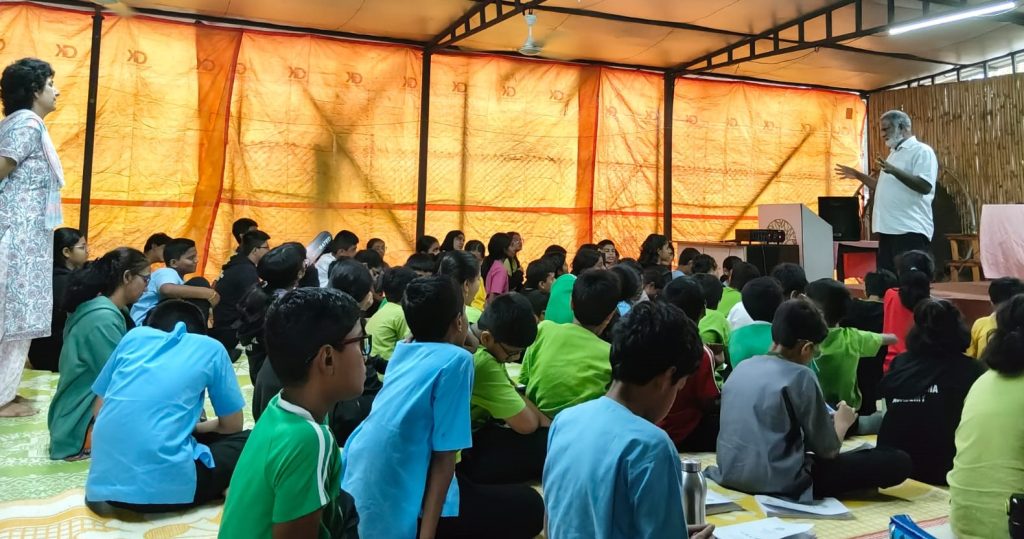
What fascinated me even more was their mindset. Unlike previous generations that primarily sought secure employment, many of these students dreamt of building businesses. Some had already begun small ventures. Their sharpness, imagination, and confidence demonstrated that a new generation of Indians is emerging.
KVA itself reflects this future-ready approach. Teachers are not merely lecturers. They act as guides, mentors, and facilitators. This shift in education is important because the India of tomorrow will depend not only on governments and policies but on the attitudes and habits of today’s young people.
By 2030, every fifth working person in the world will be Indian. The future of our nation will not be decided only in Parliament. It will be shaped in classrooms, hostels, farms, startup garages, coaching centers, and digital communities.
During the interaction, we reflected on ten habits that can help adolescents build not only financial wealth but also emotional, social, and intellectual wealth.
1. Become a Job Provider, Not Just a Job Seeker
India adds millions of young people to its workforce every year. Governments and large companies alone cannot provide employment for everyone. The future belongs to those who create opportunities.
Young people must learn to identify problems around them and develop solutions. Whether it is teaching online, designing graphics, creating digital content, growing vegetables, repairing gadgets, or running a small business, entrepreneurship begins with solving problems.
One does not need huge investments to start. Small beginnings often create large outcomes. A job seeker waits for an opportunity, but a job creator builds opportunities for many.
2. Practice Digital Fasting
Today’s adolescents live in a world filled with constant notifications, short videos, games, and endless scrolling. While technology offers many advantages, excessive screen time reduces attention and affects relationships.
A weekly digital fast can become a powerful habit. Spending one day without social media allows young people to read books, play outdoor games, spend time with family, or simply reflect.
Books provide depth. Relationships provide strength. Both help adolescents develop emotional stability in a world driven by comparison and instant gratification.
3. Learn Financial Literacy Early
Many financial mistakes made during youth affect people throughout their lives. Therefore, financial education must begin early.
Young people should understand saving, budgeting, investing, and the difference between assets and liabilities. A useful skill or investment can generate income, while unnecessary spending creates financial pressure.
Even small savings made consistently can create wealth over time through the power of compounding. Wealth is rarely built overnight. Patience, discipline, and financial awareness remain the true foundations of prosperity.
4. Build Physical and Mental Stamina
Success requires energy. The body is the first asset every young person owns.
Regular exercise, sports, adequate sleep, and healthy eating habits are essential. Equally important is mental health. Adolescents face increasing stress, anxiety, and social pressure.
Learning to handle failure, disappointment, and boredom without constantly seeking distractions develops resilience. Practices such as meditation, journaling, sports, and spending time in nature can strengthen mental well-being.
Strong minds and healthy bodies create individuals who can face uncertainty with confidence.
5. Respect People but Question Ideas
Indian culture values respect for elders, teachers, and traditions. These values remain important.
However, respect should not prevent critical thinking. Young people must learn to ask questions. Customs, beliefs, and practices should be examined thoughtfully.
Questioning social pressures, outdated practices, and limiting beliefs helps society progress. Respecting individuals while evaluating ideas creates mature citizens who can contribute positively to change.
6. Build Skills Alongside Knowledge
Degrees remain valuable, but skills determine employability and success.
Young people must learn practical abilities such as communication, coding, writing, design, financial management, cooking, negotiation, repairing equipment, or digital marketing. Technology has created opportunities where skills can generate income regardless of age or location.
Knowledge explains concepts, but skills create value. The future belongs to lifelong learners who continuously develop new capabilities.
7. Choose Your Circle Carefully
The company we keep influences our habits, aspirations, and decisions.
Young people should surround themselves with friends who encourage growth, creativity, discipline, and positive thinking. Good friends challenge us to improve and support us during difficulties.
A strong circle can inspire innovation, social change, entrepreneurship, and leadership. Choosing friends wisely is one of the most important decisions adolescents make.
8. Keep Your Surroundings Clean
Citizenship begins with personal responsibility.
Young people should take ownership of their classrooms, streets, parks, and communities. Waste segregation, reducing plastic use, planting trees, and maintaining cleanliness are simple yet powerful actions.
A clean environment reflects responsible citizenship. The transformation of a nation begins with the habits practiced at home and in local communities.
9. Learn to Cook
Cooking is an essential life skill. It promotes independence, health, and self-confidence.
Young people who learn basic cooking can take care of themselves when they move away from home for education or work. Cooking also teaches planning, patience, creativity, and responsibility.
Food carries memories, traditions, and emotions. The ability to prepare food for oneself and others becomes an act of care and leadership.
10. Leave Every Place Better Than You Found It
This habit connects all the others.
Whether it is a classroom, community, workplace, or friendship, every young person should ask: “How can I improve this place?”
Helping others, mentoring juniors, protecting public spaces, being honest, and contributing positively create a lasting impact. Nations progress when citizens accept responsibility for improvement.
India is not an abstract system. India is all of us.
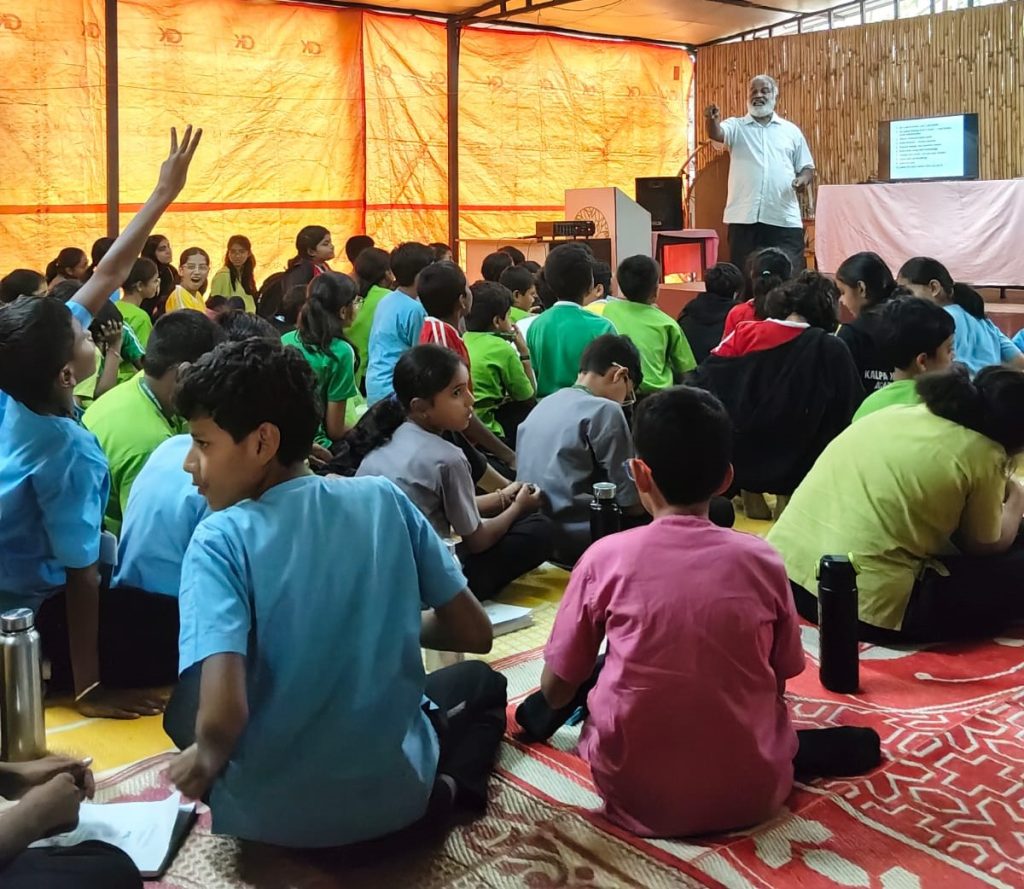
My interaction at Kalpa Vriksha Academy gave me hope. These students are growing up in an era of artificial intelligence, digital connectivity, and rapid change. Yet they also possess curiosity, confidence, and compassion.
If young Indians build these ten habits, they will become wealthy in the truest sense—wealthy in character, skills, relationships, health, and purpose.
The next twenty-five years belong to them. Their choices will shape the future of India.

This Post Has 3 Comments
A very insightful and thought-provoking article. Today, many parents are busy earning a livelihood, leaving adolescents with limited guidance and motivation from elders. As a result, they often spend excessive time on mobile phones. The article highlights several small yet crucial aspects of adolescent development. Thank you for writing such a meaningful piece. It is a must-read for every adolescent, parent, and teacher.
Hi Mathew,
Very well written. I completely agree that the 10 habits you’ve mentioned are just as relevant for adults as they are for children.
Among them, I especially liked the concept of **Digital Fasting**—something that has become extremely important in today’s hyper-connected world.
I also appreciated the emphasis on **Cooking**. In the age of fast food and instant deliveries through Blinkit and Zomato, cooking is a life skill everyone should learn and enjoy.
Your post reminded me of my time leading the CSR initiatives at Merino Industries, where we ran a day-boarding school for underprivileged children. We had weekly cooking classes, and it was wonderful to see the students enthusiastically preparing some excellent dishes.
Thanks for sharing your experience with the KVA students. It was an insightful read.
Absolutely agree with the ten habits that we all must keep up regardless of our age.
I consider myself fortunate to be added to the Kalpa Vriksha teaching team where such life values are nurtured.
Wishing Impactlens all the best!