Dr. Sujata Kodag, ECO-LOGIC FOUNDATION, Pune
Floods have always been part of the Earth’s natural hydrological cycle, but in recent decades their frequency, intensity, and unpredictability have increased significantly. Climate change has altered rainfall patterns, leading to more frequent extreme precipitation events, flash floods, riverine floods, and urban flooding. According to the Intergovernmental Panel on Climate Change (IPCC, 2023), heavy rainfall events are becoming more intense and are expected to increase further as global temperatures continue to rise.
However, floods become disasters not merely because rivers overflow or intense rainfall occurs, but because people, infrastructure, and livelihoods are increasingly exposed and vulnerable. Rapid urbanisation, encroachment of floodplains, inadequate drainage systems, deforestation, and unplanned development have amplified flood risks across both rural and urban areas. As disaster risk reduction practitioners often say, “Hazards are natural; disasters are largely the result of vulnerability.”
Recognizing these challenges, the global focus has shifted from disaster response to disaster risk reduction. The Sendai Framework for Disaster Risk Reduction (2015–2030) emphasizes understanding disaster risk, strengthening preparedness, and investing in resilience, while the Sustainable Development Goals, particularly SDGs 11 and 13, call for resilient cities and stronger climate action (UNDRR, 2015; United Nations, 2015). These frameworks remind us that resilience is not built only through infrastructure and government interventions, but through informed, organised and prepared communities.
India remains one of the world’s most flood-prone countries, with annual monsoon floods affecting millions of people. Recent floods in Maharashtra, Kerala, Assam, Himachal Pradesh and Uttarakhand have demonstrated that flood risks are no longer confined to traditionally vulnerable regions. Even rapidly growing cities are experiencing severe urban flooding, highlighting the need to strengthen preparedness at every level.
Having worked with flood-prone communities through preparedness programs, vulnerability assessments and post-flood damage assessments, I have learnt that the first responders are rarely emergency services alone. They are families, neighbours, community volunteers and local leaders who act long before external assistance arrives. Their preparedness often determines how effectively lives, homes and livelihoods are protected.
Building resilience therefore begins at the grassroots. Prepared households and organised communities form the first line of defense against floods. While governments and disaster management agencies play an essential role, lasting resilience can only be achieved when every family understands its risks, prepares in advance, and actively participates in creating safer and more resilient communities. The reflections shared in this article are drawn from my experiences working with flood-affected communities before and after disasters, and the lessons they continue to teach us about preparedness, resilience, and collective responsibility.
Reflections from the Field: Ten Lessons Floods Have Taught Me
Every flood leaves behind a trail of destruction, but it also leaves behind valuable lessons. Over the years, I have had the privilege of working with communities before disasters through preparedness programs and after disasters through damage and needs assessments. Each experience has reinforced my belief that resilience is not created during a disaster—it is built every day through awareness, planning, and collective action. Looking back, these are the ten lessons that have shaped my understanding of flood preparedness and resilience.
1. Floods are no longer rare events—they are becoming our new reality
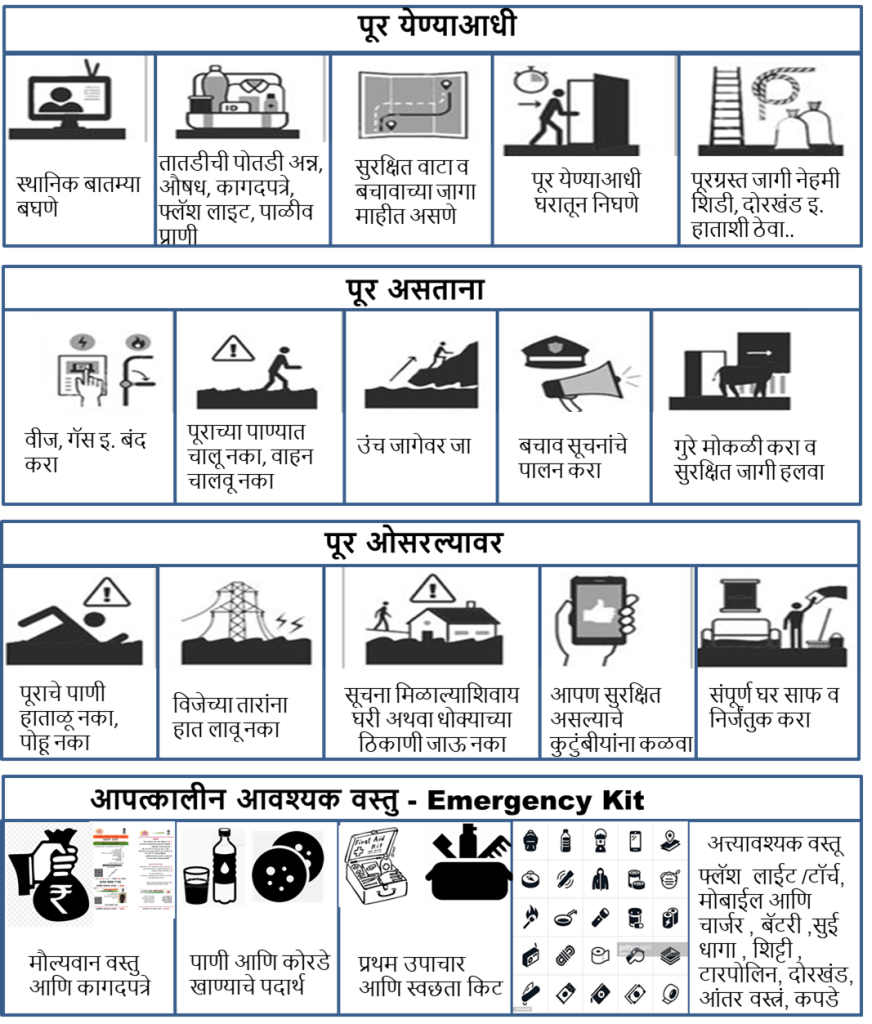
Climate change has altered rainfall patterns across the world, resulting in more frequent extreme rainfall, flash floods and urban flooding. Floods can no longer be treated as occasional events that occur once in a generation. Every household and every community should prepare before the monsoon by understanding local flood risks, keeping track of weather forecasts and official alerts, identifying safe shelters, and discussing evacuation plans with family members. Preparedness should become part of our annual routine rather than a reaction to an emergency.
2. Nature is rarely the only cause of a disaster
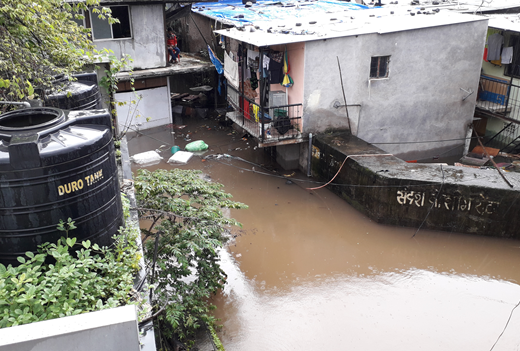
Floodwaters follow natural pathways, but human actions often increase their destructive potential. Encroachment of floodplains, blocked storm-water drains, indiscriminate disposal of waste, loss of wetlands, and poorly planned urban growth significantly worsen flooding. As citizens, we all have a responsibility to keep drains free of waste, protect natural water channels, avoid construction in vulnerable areas, and support environmentally responsible development. Flood risk reduction begins long before the rain starts.
3. Communities are always the first responders
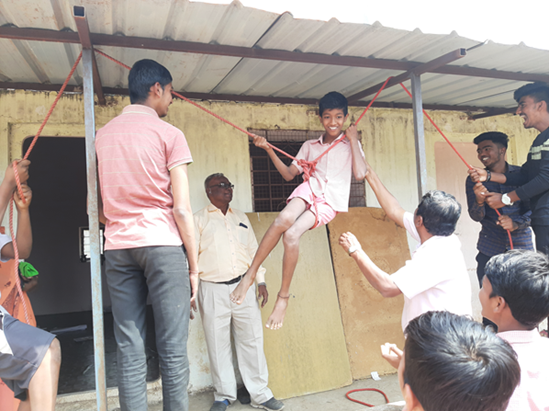
One of the most inspiring observations during every flood is the willingness of communities to help one another. Before official rescue teams arrive, neighbours rescue neighbours, youth volunteers assist in evacuation, and local leaders organise food, shelter and communication. Communities that have identified vulnerable residents, formed volunteer groups, maintained emergency contact lists and conducted mock drills respond with greater confidence and coordination. Strong community networks often save more lives than any emergency equipment alone.
4. Preparedness saves far more lives than response
The communities that recover the fastest are rarely the ones with the greatest resources; they are the ones that prepared in advance. They know where to evacuate, understand official warning systems, have emergency kits ready, safeguard important documents, and practice evacuation procedures before the monsoon. They do not wait for floodwaters to enter their homes before taking action. Timely evacuation, following official advisories, and avoiding unnecessary travel through flooded areas are among the simplest measures that prevent avoidable tragedies.
5. Every household is the first line of defense
During my post-flood visits, I have often seen families lose not only their homes but also important documents, medicines, savings and essential belongings that could have been protected with simple planning. Every household should maintain an emergency kit containing drinking water, dry food, essential medicines, flashlights, batteries, power banks and copies of important documents stored in waterproof covers. Families should know how to safely switch off electricity and gas supplies, protect drinking water, and move valuable items to higher levels when flood warnings are issued. These seemingly small actions often make recovery quicker and less stressful.
6. Resilient infrastructure alone is not enough
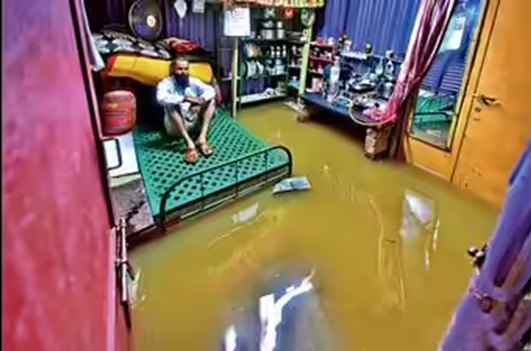
Roads, embankments, bridges and drainage systems are important, but they cannot eliminate flood risks on their own. Equally important are informed citizens who understand the risks around them and know how to respond. Buildings should be maintained before the monsoon by cleaning roof gutters, checking drainage outlets, repairing leaks, and ensuring rainwater flows away from the house. During floods, people should never walk, swim or drive through moving water, as even shallow floodwaters can hide open drains, electrical hazards and strong currents. Infrastructure and public awareness must always work together.
7. Recovery begins while response is still underway
The challenges do not end when floodwaters recede. Damaged homes, contaminated drinking water, disrupted sanitation, disease outbreaks and loss of livelihoods often affect families for weeks or months. Recovery should therefore begin immediately with safe cleaning practices, proper disinfection of homes, careful inspection of electrical systems before switching them on, and ensuring access to safe drinking water and healthcare. Communities should document damages, support vulnerable families and learn from every flood to improve future preparedness.
8. Vulnerability is not distributed equally
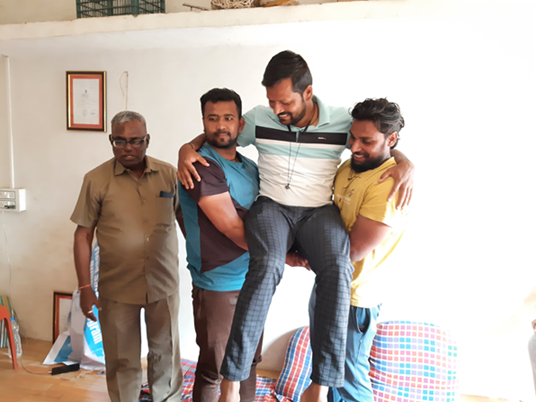
Floods affect everyone, but their impacts are not the same for all. Elderly persons, children, pregnant women, persons with disabilities, daily wage earners and economically weaker households often face greater risks and require additional support during evacuation and recovery. Prepared communities identify these vulnerable groups well before the monsoon, assign volunteers to assist them, and ensure that evacuation plans, shelters and relief measures are inclusive. Resilience is measured not by how quickly the strongest recover, but by how effectively the most vulnerable are protected.
9. Every flood teaches us something new
Every flood is different, and every disaster provides an opportunity to improve preparedness. Communities should review what worked well and what did not after each flood season. Were warning messages received in time? Were evacuation routes accessible? Were emergency kits adequate? Did vulnerable families receive assistance? Preparedness plans should never remain static—they must evolve with changing risks, changing settlements and changing climatic conditions.
10. Building resilience is everyone’s responsibility
Perhaps the most important lesson I have learnt is that disaster risk reduction cannot be achieved by government agencies alone. Governments provide forecasts, infrastructure and emergency response, but resilient communities are built through the combined efforts of architects, planners, engineers, teachers, health professionals, researchers, local organisations and individual citizens. Every family that prepares an emergency kit, every community that conducts a mock drill, every school that teaches flood safety, and every citizen who keeps drains free from waste contributes to a safer and more resilient society. Disaster preparedness is not merely a government program—it is a shared responsibility and a way of life.
Concluding Thoughts
As professionals working in the fields of architecture, planning, environment and disaster risk reduction, we often discuss resilience in terms of policies, infrastructure and investment. While these are undoubtedly important, the true measure of resilience lies in the confidence of a family that knows how to respond when floodwaters rise, in the commitment of neighbors who look after one another during emergencies, and in communities that choose preparedness over complacency.
My experiences before and after floods have strengthened one conviction: disasters may not always be preventable, but many of their consequences are. Every awareness program conducted, every volunteer trained, every drain cleaned, every emergency kit prepared, every mock drill organised, and every household that understands its risks represents an investment in resilience.
Flood preparedness is therefore not merely a seasonal activity undertaken before the monsoon. It is a continuous process of learning, adapting and working together. If we aspire to create safer and more resilient communities in an era of climate uncertainty, preparedness must become a way of life rather than a reaction to disaster.
Because when the next flood arrives—and it inevitably will—it will not ask whether we were aware of the risks. It will only reveal whether we were prepared.
MEASURES, BEFORE – DURING – AFTER FLOODS