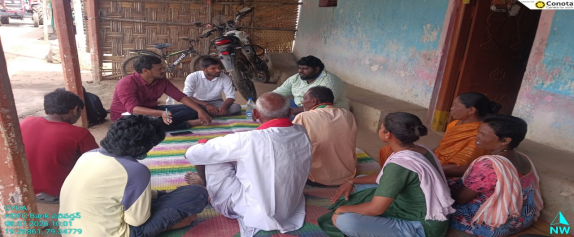
By Abhanga Talekar, Program Officer, CYDA
Every year during the holy month of Ashadha, millions of devotees, known as Warkaris, walk hundreds of kilometres to Pandharpur to seek the blessings of Lord Vitthal. With faith, devotion, and patience, they undertake this spiritual journey, often walking for several days through villages and towns across Maharashtra.
Along the pilgrimage route, many individuals, community groups, and organisations come forward to support the Warkaris by providing free food, drinking water, medical assistance, and other essential services. Their efforts make the long and challenging journey safer and more comfortable for the devotees.
However, such a large gathering also generates a huge amount of waste every day. Plastic bottles, food packaging, disposable plates, and other waste often accumulate along the route. In many places, dry and wet waste gets mixed, making segregation and recycling difficult. Although government agencies and local bodies make significant efforts to clean the roads, managing such large quantities of waste requires the active participation of citizens, volunteers, and organisations. This year Centre for Youth Development and Activities (CYDA) launched the Green Wari Movement in collaboration with TrashTech. The initiative aimed not only to collect plastic waste but also to promote waste segregation, recycling, and environmental responsibility among pilgrims and the wider community.
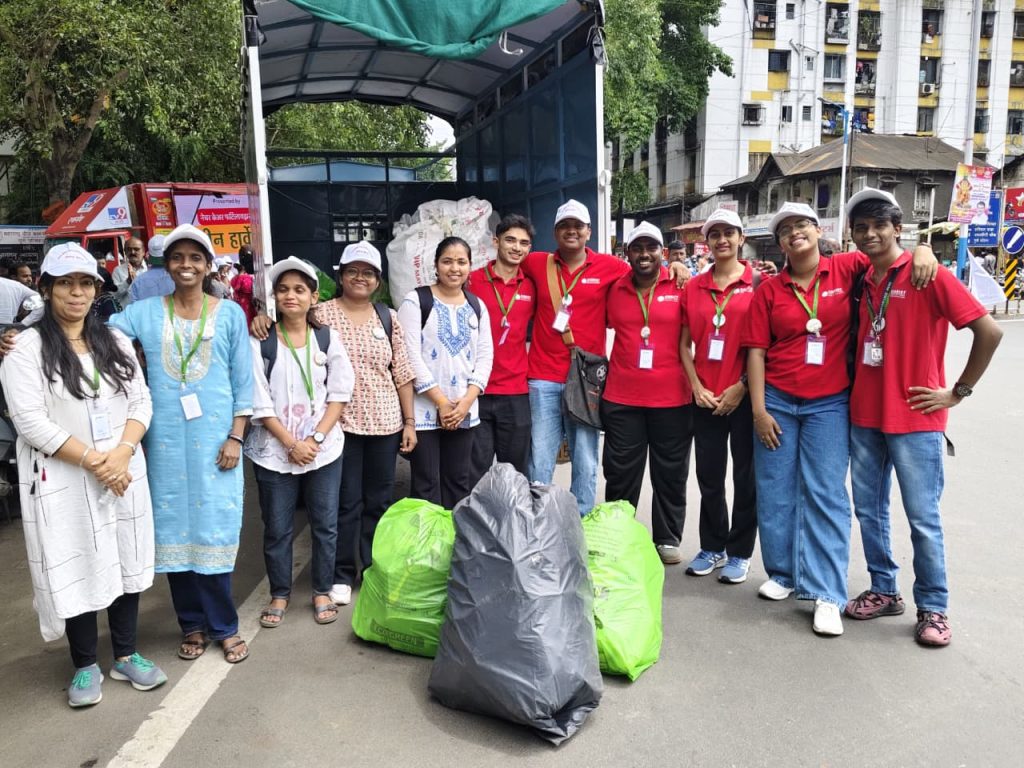
Over the first four days of the Wari, hundreds of volunteers came together to keep the pilgrimage route clean. They included college students (CHRIST, SNDT), NSS volunteers, Rotary Club members, Youth4Change youth leaders, community volunteers, and local citizens. Together, they collected nearly 3–4 tonnes of plastic waste. The collected plastic was handed over to TrashTech for recycling instead of ending up in rivers, fields, or landfills.
The initiative was more than a clean-up drive. It became an opportunity to create awareness and encourage people to think differently about waste. As the volunteers collected plastic along the route, many Warkaris stopped to ask about the Green Wari Movement. They appreciated the efforts of the young volunteers and encouraged them. Some devotees also joined the campaign by picking up litter and placing waste in the designated collection bags and bins.
The experience was equally meaningful for the volunteers. Many of them realised that environmental responsibility is not something that should remain in classrooms or books. It becomes meaningful only when people take action. While cleaning the roads, several volunteers reflected on how easy it is to throw waste in public places because we often believe someone else will clean it. But after spending hours collecting litter, they understood the importance of taking ownership of public spaces. They realised that a clean and sustainable community depends on the participation of every citizen.
Neeta Mane from SNDT College shared a personal reflection. She said, “Earlier, when I saw people throwing waste in public places, I usually ignored it because I felt it was not my responsibility. But today, when I picked up waste from the road myself, I felt a sense of ownership. I was really happy when warkaris appreciated our efforts.”
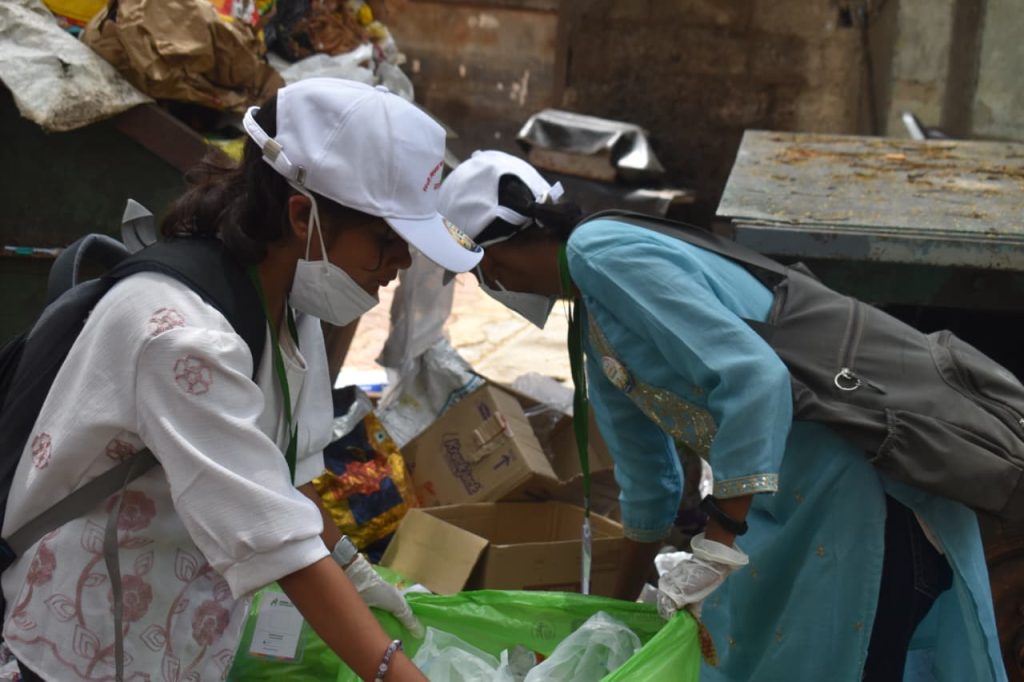
For Stephen Joseph, Christo Thomas, Shinoy Frankline, Jesna Jojo, and Sneha Joseph from Christ College, the Green Wari Movement was a unique learning experience. Although they had participated in many cleanliness drives through NSS, they said this experience was very different. Interacting with the Warkaris while collecting waste helped them understand the spiritual significance of the Wari in a new way. They said they had only heard about the pilgrimage before, but being part of it allowed them to experience the devotion, discipline, and community spirit firsthand. They also expressed their interest in participating in more initiatives that give them an opportunity to contribute to society.
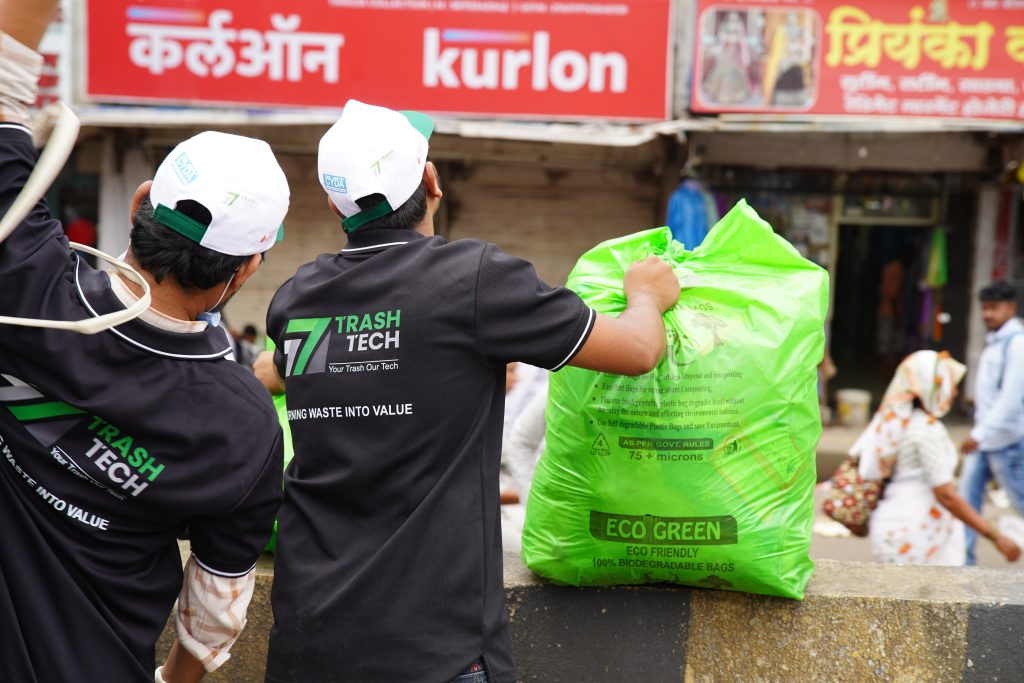
The partnership with TrashTech ensured that the collected plastic was not simply removed from the roads. Instead, it was sent for recycling, where it could be transformed into useful products rather than becoming environmental pollution. Effective waste management is not merely about collecting waste. It begins with proper segregation and continues through responsible recycling, ensuring that discarded materials are given a second life instead of becoming pollution. Cleaning the roads after a large event is important. But creating awareness that prevents waste from being thrown in the first place is even more important. The real success of the Green Wari Movement will not be measured only by the tonnes of plastic collected. It will be measured by the number of people who choose to keep the Wari—and their communities—clean in the years to come.