
By Mathew Mattam, Chairperson, YEFi, India.
In the narrow lanes of Imphal and in the small market centers scattered across Manipur’s hills and valleys, thousands of nano and micro-enterprises have long served as the backbone of local livelihoods. They are not large factories or corporate businesses. They are family-run handloom units, roadside shops, food processors, transport operators, bamboo artisans, tailors, carpenters, and women-led enterprises that keep local economies alive.
Yet over the past six years, these enterprises have endured a double crisis that few businesses anywhere in India have experienced. First came the COVID-19 pandemic. Then came the prolonged ethnic conflict that erupted in 2023. Together, they have pushed many of Manipur’s smallest businesses to the brink of collapse.
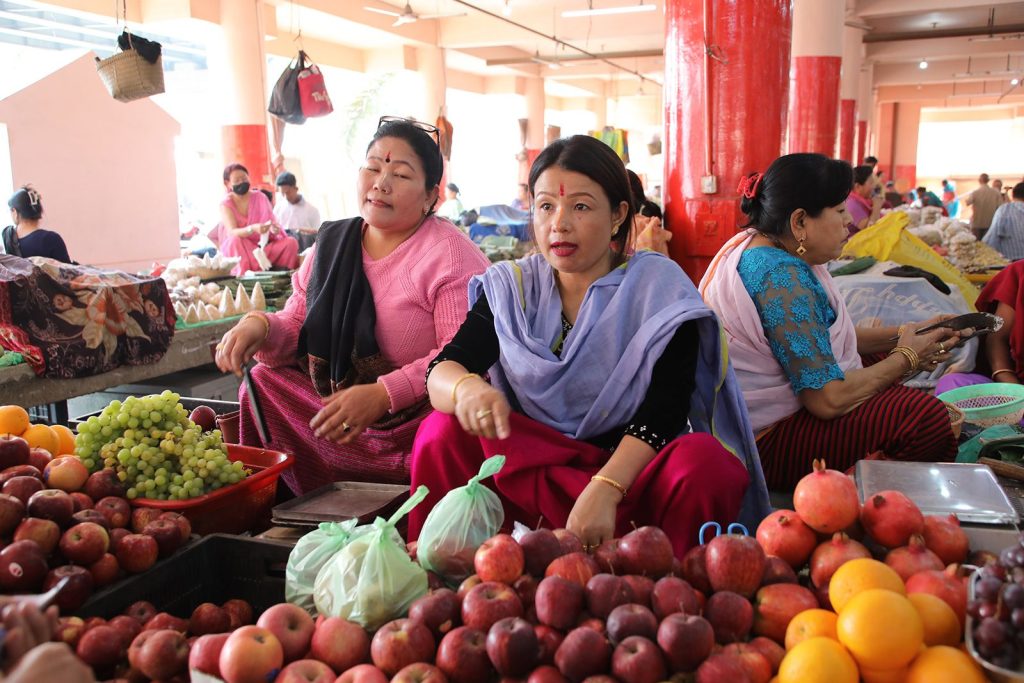
Before COVID-19, Manipur’s micro-enterprise sector was slowly emerging as a source of hope for the state’s youth and women. Handloom products from Manipur were gaining recognition. Food processing units were creating local employment. Tourism was attracting visitors interested in the state’s culture, landscapes, and sporting legacy. Small businesses provided livelihoods where formal employment opportunities remained limited.
Then, in March 2020, everything stopped. The nationwide lockdown shut markets overnight. Public transport disappeared. Supply chains were severed. For a state that depends heavily on goods transported through highways connecting it to the rest of India, the impact was immediate and devastating.
Raw materials failed to arrive. Finished products could not be transported. Customers disappeared.
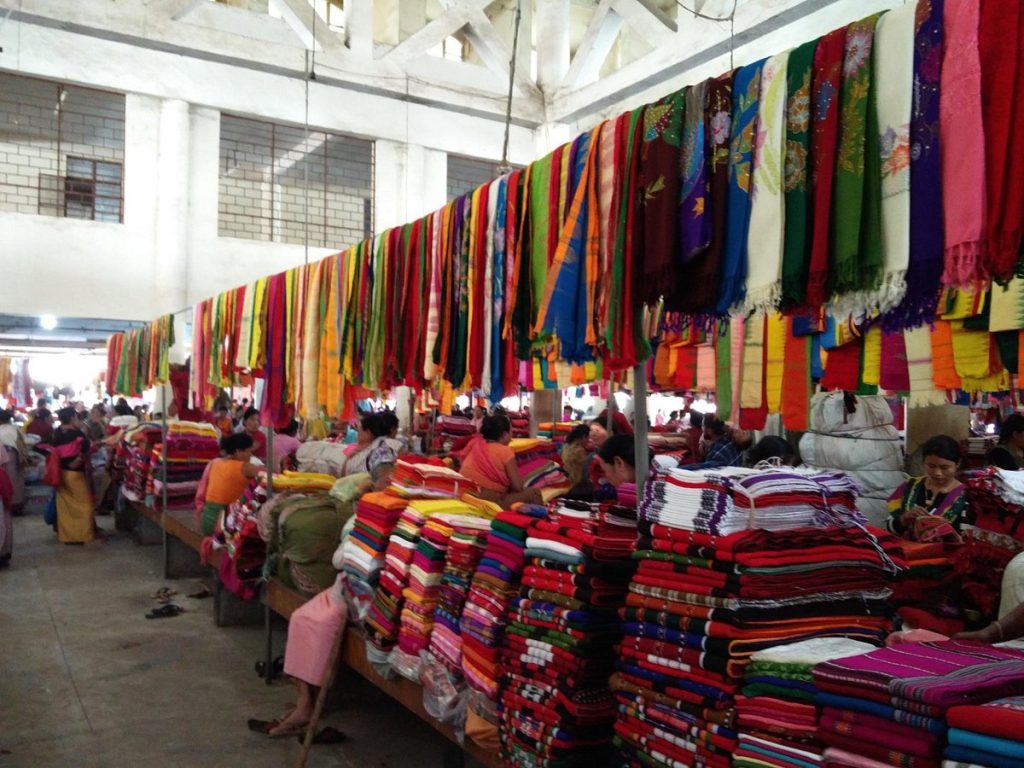
For handloom weavers, one of Manipur’s most important economic groups, the losses were severe. Many artisans depended on exhibitions, fairs, tourist purchases, and local markets. Orders that had taken months to secure were cancelled within days. Stocks accumulated in homes and workshops. Income dried up.
Women entrepreneurs suffered particularly hard. Many operated businesses with limited savings and little access to formal finance. With no revenue coming in, they struggled to pay rent, purchase raw materials, or repay existing loans. Self-help groups that had begun creating livelihoods suddenly found themselves fighting for survival.
Tourism-related enterprises experienced an even deeper shock. Homestays, guest houses, restaurants, transport operators, and local guides lost nearly all their customers. Some businesses remained closed for months. Others reopened only to find that demand had vanished.
The pandemic exposed another challenge that had remained hidden for years: the digital divide.
While businesses in metropolitan cities shifted to online sales and digital payments, many enterprises in Manipur lacked reliable internet access, digital skills, and connections to larger online markets. The ability to adapt was often determined not by business potential but by access to technology.
Yet, despite the hardships, many entrepreneurs refused to give up.
Women’s groups began producing masks and sanitizers. Local enterprises shifted their focus toward community-based markets. Small manufacturers redesigned products to meet local demand. Home-based production became a survival strategy. These efforts did not generate significant profits, but they helped many families stay afloat during one of the most difficult periods in recent history.
Just as businesses were beginning to recover from the pandemic, another crisis emerged. The ethnic conflict that erupted in Manipur in 2023 created economic disruptions on a scale not seen before. If COVID had frozen the economy, the conflict fractured it.
Highways became unreliable. Frequent blockades on National Highway-2 and National Highway-37 disrupted the movement of goods into and out of the state. Transportation costs increased dramatically. Raw materials became scarce and expensive. Small manufacturers who were already operating on thin margins found it increasingly difficult to continue production.
For many businesses, the conflict created a new reality where uncertainty became the norm.
A shop owner no longer knew whether supplies would arrive on time. A food processor could not predict the cost of raw materials. A transport operator could not guarantee delivery schedules. A weaver could not be certain whether buyers would receive finished products.
Internet shutdowns further deepened the crisis. In an increasingly digital economy, prolonged disruptions to connectivity affected online payments, banking transactions, communication with customers, and participation in e-commerce. Businesses that had begun exploring digital opportunities after COVID suddenly found themselves cut off again.
The financial consequences have been severe. Many enterprises experienced dramatic reductions in sales. Loan repayments became difficult. Some businesses defaulted on bank loans and slipped into non-performing asset status. Once this happened, access to additional credit became nearly impossible, trapping entrepreneurs in a cycle of financial distress.
Employment suffered as well. Numerous enterprises reduced their workforce to survive. Small manufacturing units that once employed dozens of workers were forced to operate with only a handful of staff. Working hours were cut. Production declined. Household incomes shrank.
The cumulative effect has been devastating for a state where micro-enterprises provide livelihoods to a large share of the population.
Yet the story of Manipur’s nano and micro-enterprises is not only a story of crisis. It is also a story of resilience.
Across the state, entrepreneurs continue to innovate despite extraordinary circumstances. Women-led enterprises are strengthening local production networks. Young entrepreneurs are experimenting with digital marketing whenever connectivity allows. Community groups are exploring local value chains that reduce dependence on distant markets. Traditional industries such as handloom and handicrafts continue to preserve livelihoods while carrying forward Manipur’s cultural heritage.
The lessons from the past six years are clear. Manipur’s enterprises need more than temporary relief. They need affordable working capital, stronger market linkages, improved digital infrastructure, business mentoring, and localized value chains that can withstand future disruptions. Cluster-based development, digital commerce support, and targeted assistance for conflict-affected businesses are essential if the sector is to recover fully.
In Manipur, youth and women can become Peace Entrepreneurs by establishing businesses whose success depends on cooperation, trust, and social harmony rather than division and conflict. A peace economy can be built around sectors such as sustainable agriculture, food processing, handicrafts, eco-tourism, waste management, renewable energy, digital services, and community-based enterprises that bring together people from different ethnic and social groups as co-owners, producers, and customers. Women-led producer collectives, youth-run social enterprises, and multi-community cooperatives can create jobs, strengthen local markets, and reduce the economic incentives for violence. When families earn stable incomes through peaceful collaboration, conflict becomes costly and cooperation becomes profitable. War economies thrive on fear, displacement, and mistrust; peace economies thrive on relationships, shared prosperity, and mutual dependence. The goal is not to wait for peace before creating economic opportunities, but to build enterprises where peace itself becomes the foundation of growth, ensuring that every new business, every new job, and every new partnership contributes to reducing tensions, restoring trust, and creating a more prosperous and harmonious Manipur.
The entrepreneurs of Manipur have survived a pandemic, economic shutdowns, supply-chain disruptions, internet blackouts, and prolonged conflict. Their resilience deserves recognition, but resilience alone cannot build prosperity.
As Manipur looks toward recovery, the future of the state’s economy will depend largely on whether its smallest enterprises receive the support they need to rebuild, grow, and once again become engines of employment, stability, and hope for thousands of families across the state.

This Post Has 2 Comments
Thanks Mathew, writing this piece…PEACE ECONOMY is really positive way to conquer the shadow of past conflict with bright future of Manipur!
This is a powerful and deeply thoughtful piece, Mathew. I really appreciated the way you have brought out both the scale of the crisis and the remarkable resilience of Manipur’s nano and micro-enterprises.