
This article presents the transformation journey of Nyalkal Primary Health Centre in Telangana. Wasim Shaikh explains how inadequate infrastructure and sanitation facilities affected healthcare delivery at the PHC and how the WASH in Health Facilities Project, helped address these challenges. The article highlights the improvements made, the positive impact on patients and healthcare staff, and the recognition earned by the PHC as a result of enhanced service quality and infrastructure.
Despite the significant expansion of India’s rural healthcare network, many Primary Health Centres (PHCs) continue to face deficiencies in basic infrastructure and sanitation facilities. According to the Ministry of Health and Family Welfare’s Health Dynamics of India 2022–23 report, many rural health facilities still lack adequate water supply, sanitation infrastructure, and other essential services. Earlier national assessments also found that nearly 38 percent of rural government health facilities did not have dedicated staff toilets. Poor sanitation, inadequate waste management systems, and insufficient cleaning services continue to affect patient comfort, dignity, and infection prevention. Strengthening Water, Sanitation and Hygiene (WASH) infrastructure remains critical for improving the quality and utilisation of healthcare services in rural India.
To address these challenges, CIE India Automotive Ltd., in collaboration with CYDA, implemented the WASH in Health Facilities Project at Nyalkal Primary Health Centre and its Sub Centres in Nyalkal Mandal of Sangareddy District, Telangana. Nyalkal PHC serves a population of nearly 30,000 people and plays an important role in delivering primary healthcare services to the surrounding communities.
Situation Before the Intervention
Before the intervention, the team conducted a baseline assessment to understand the existing condition of the facility. The findings revealed several infrastructure and WASH related challenges that affected service quality, patient experience, and public confidence in the healthcare facility.
At the time of the assessment, the PHC recorded an average daily OPD attendance of 70 to 80 patients, while monthly institutional deliveries ranged between 20 and 35. Under the Government of India’s Kayakalp quality assessment framework, the PHC scored only 40 to 42 percent, indicating significant gaps in cleanliness, sanitation, infection control, and patient friendly services.
The assessment also found that the PHC lacked adequate handwashing facilities, reliable access to safe drinking water, and functional toilets for patients and attendants. Accessibility features for pregnant women and persons with mobility challenges were inadequate. Water leakage in critical areas, particularly the operation theatre during the monsoon season. This affected the quality and safety of maternal healthcare services. The facility also lacked a dedicated hall for counselling sessions, staff trainings, ASHA meetings, and community awareness programmes.
The Intervention
To address these challenges, CIE India supported a comprehensive WASH in Health Facilities intervention. The project focused on improving infrastructure, strengthening hygiene practices, enhancing patient comfort, and aligning facility systems with government quality standards under Kayakalp.
Several infrastructure improvements were undertaken as part of the project. Separate toilets for men and women were constructed and renovated, including clean and accessible western style toilets. A 100 LPH RO drinking water purification system with a cooling unit was installed to provide safe drinking water. Dedicated handwashing stations with seven taps were developed to promote hygiene practices among patients and staff. Slab and pipeline leakages, including those affecting the operation theatre, were repaired to improve safety and functionality within the facility.
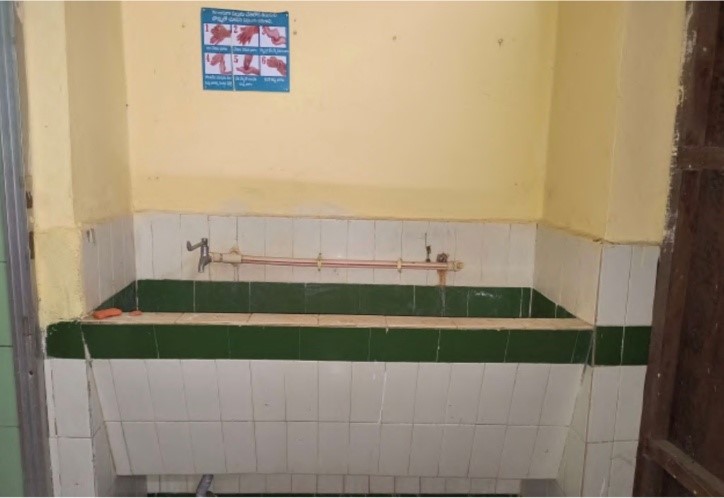
Before the intervention: Hand washing station
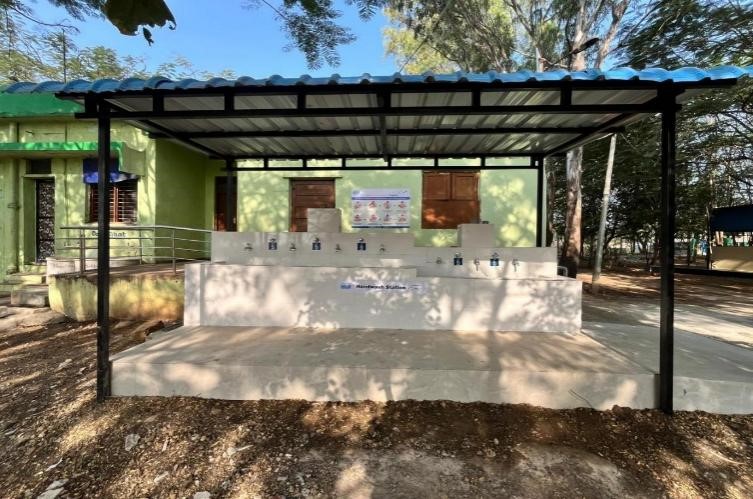
After the intervention: Hand washing station
Accessibility and safety were also improved through the construction of ramps and better access pathways for pregnant women and persons with mobility challenges. A safe internal staircase was constructed, and a multipurpose meeting and training hall with a capacity of 40 to 50 people was developed. Information, Education and Communication (IEC) materials focusing on water, sanitation, hygiene, and health practices were displayed across the PHC premises to encourage healthy behaviours among visitors and staff.
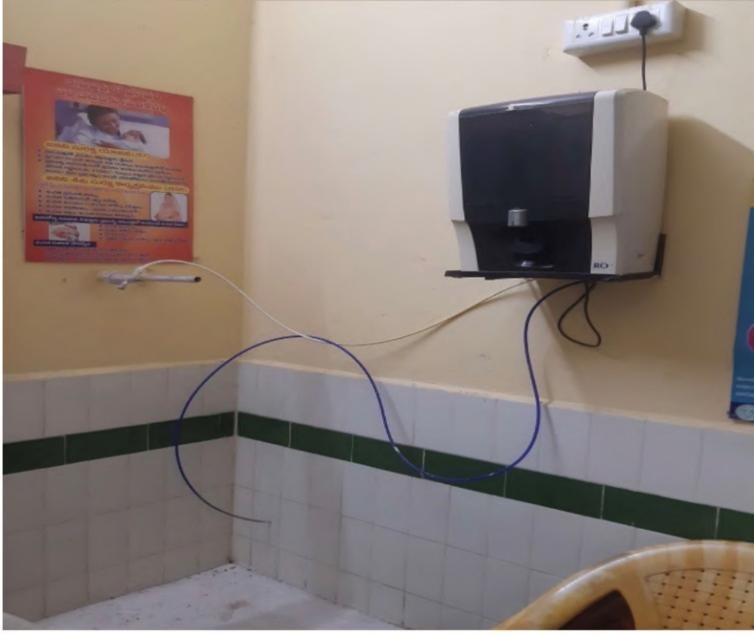
Before the intervention: Drinking water system
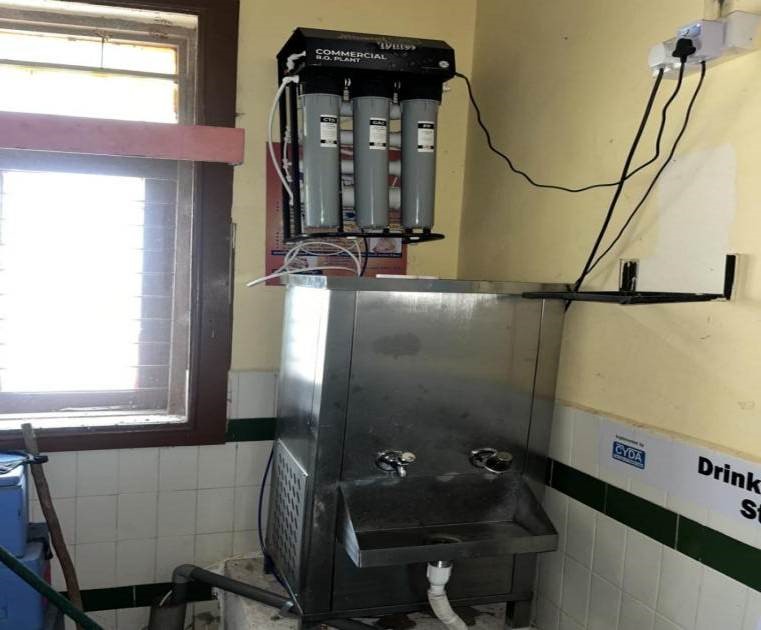
After the intervention: Drinking water system
Capacity building formed an important component of the intervention. A total of 60 participants, including PHC staff, Sub Centre staff, ASHA workers, and supervisors, received training on hygiene practices, infection prevention, patient dignity, and quality service delivery. Regular supportive supervision and mentoring were conducted to reinforce good practices and ensure adherence to quality standards. The project also strengthened coordination between facility based services and community outreach systems.
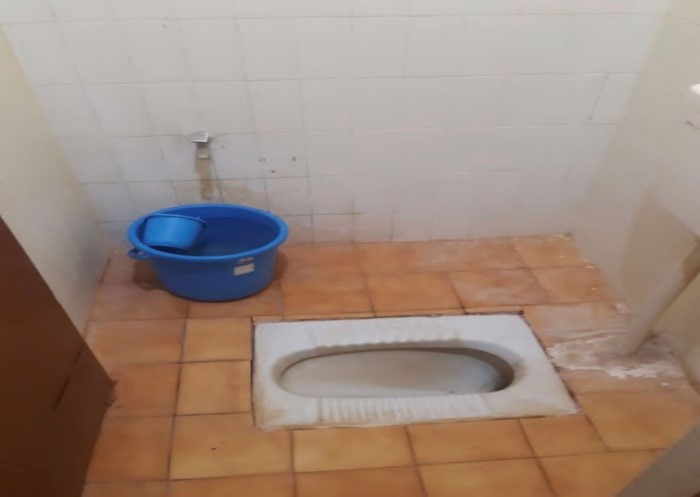
Before the intervention
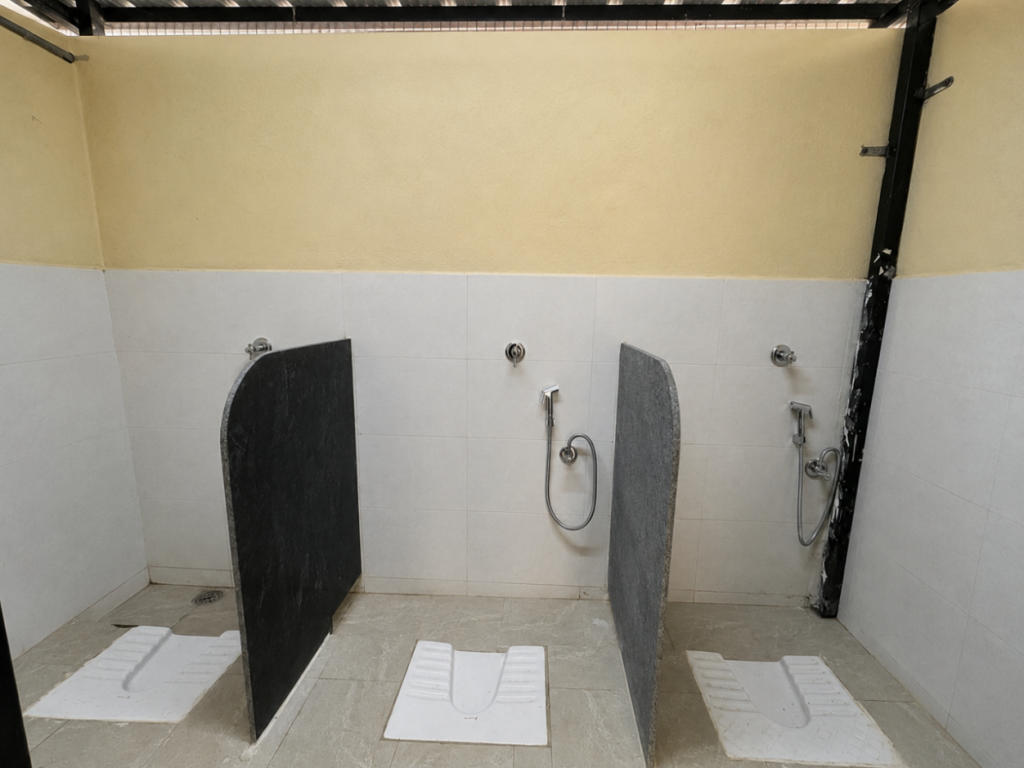
After the intervention
Alignment with Kayakalp Standards
Kayakalp is a national initiative of the Government of India that promotes cleanliness, infection control, infrastructure maintenance, and patient centred care in public health facilities. The WASH in Health Facilities project directly supported the objectives of Kayakalp by addressing sanitation gaps, strengthening infection prevention systems, and improving patient safety and comfort.
As a result of these efforts, Nyalkal PHC recorded a significant improvement in its Kayakalp performance. The facility’s score increased from 40 to 42 percent at baseline to 62 to 65 percent after the intervention, reflecting measurable improvements in cleanliness, service readiness, and overall quality of care.
Impact and Outcomes
The intervention resulted in noticeable improvements in service utilisation. Daily OPD attendance increased from 70 to 80 patients to 90 to 100 patients, indicating growing trust in the facility among community members. Monthly institutional deliveries also increased from 20 to 35 deliveries to 30 to 40 deliveries, reflecting greater confidence among pregnant women in accessing services at the PHC.
The project significantly improved patient safety and experience. Patients now have access to safe drinking water, functional handwashing facilities, and clean toilets. The overall healthcare environment became cleaner, safer, and more welcoming. These improvements enhanced the dignity and comfort of patients, particularly pregnant women, elderly persons, and attendants visiting the facility.
The intervention also strengthened institutional performance. Improved infrastructure and better working conditions contributed to higher morale and efficiency among doctors, nurses, and support staff. The visible transformation of the facility led to Nyalkal PHC being recognised at the district level as an improved and model healthcare facility. The PHC received appreciation from Dr. Vasanth Rao, District Medical and Health Officer.
Encouraged by these improvements, Shri Suresh Kumar Shetkar, Honourable Member of Parliament from Zahirabad Lok Sabha Constituency, assured support for strengthening emergency healthcare services and improving ambulance availability at the PHC.
Reflections on Change
Recently, I delivered my baby at Nyalkal Primary Health Centre, and my overall experience was very positive. Earlier, we were hesitant to visit the PHC due to limited facilities; however, the situation has now completely changed.
-a new mother (patient)
The WASH in Health Facilities intervention has brought a complete transformation to Nyalkal Primary Health Centre. Earlier, gaps in infrastructure and sanitation affected both patient experience and staff efficiency. Today, the PHC reflects cleanliness, safety, and dignity of care.
– Medical Officer, Nyalkal Primary Health Centre
Conclusion
The transformation of Nyalkal Primary Health Centre demonstrates how investments in water, sanitation, hygiene, infrastructure, and staff capacity building can strengthen rural healthcare systems. The project improved service utilisation, enhanced patient confidence, strengthened institutional performance, and created a cleaner, safer, and more dignified healthcare environment.
As a next step, the PHC plans to strengthen its biomedical waste management system in line with Kayakalp guidelines. Improved segregation, handling, and disposal of biomedical waste will further strengthen infection control measures, environmental safety, and overall quality standards at the facility.