In this article, Bhagyashree Panghanti, Coordinator of CYDA’s Menstrual Hygiene Management Program, reflects on why menstruation is not a secret but a natural part of life, and highlights CYDA’s nationwide efforts to build a #PeriodFriendlyWorld through awareness, education, dignity, and community action.
Menstruation is not a secret. It is not a curse. It is a natural biological process experienced by nearly every woman and girl. Yet, millions continue to face silence, stigma, discrimination, and inadequate access to menstrual hygiene products and information. Every woman and girl deserves the right to manage her period with dignity, access correct information, and live free from shame.
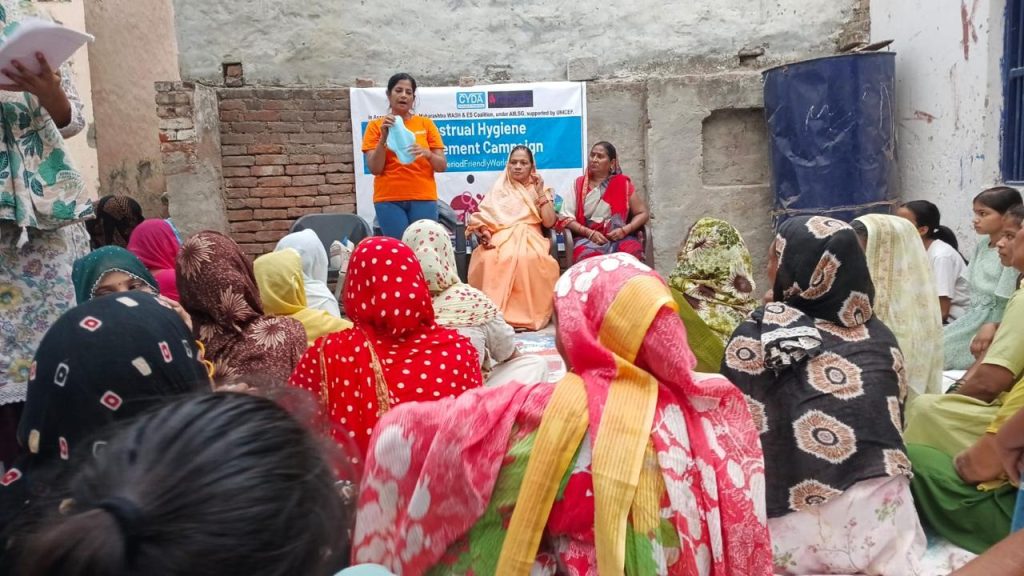
To strengthen this message, Centre for Youth Development and Activities (CYDA) organized a nationwide Menstrual Hygiene Management (MHM) Campaign from 18 May to 1 June 2026 under the theme #PeriodFriendlyWorld. Through 38 events conducted across 14 states, the campaign reached more than 2,529 women and girls from diverse backgrounds including tribal communities, sanitation workers, brick kiln labourers, school-going adolescents, and young women living in rural and urban settlements.
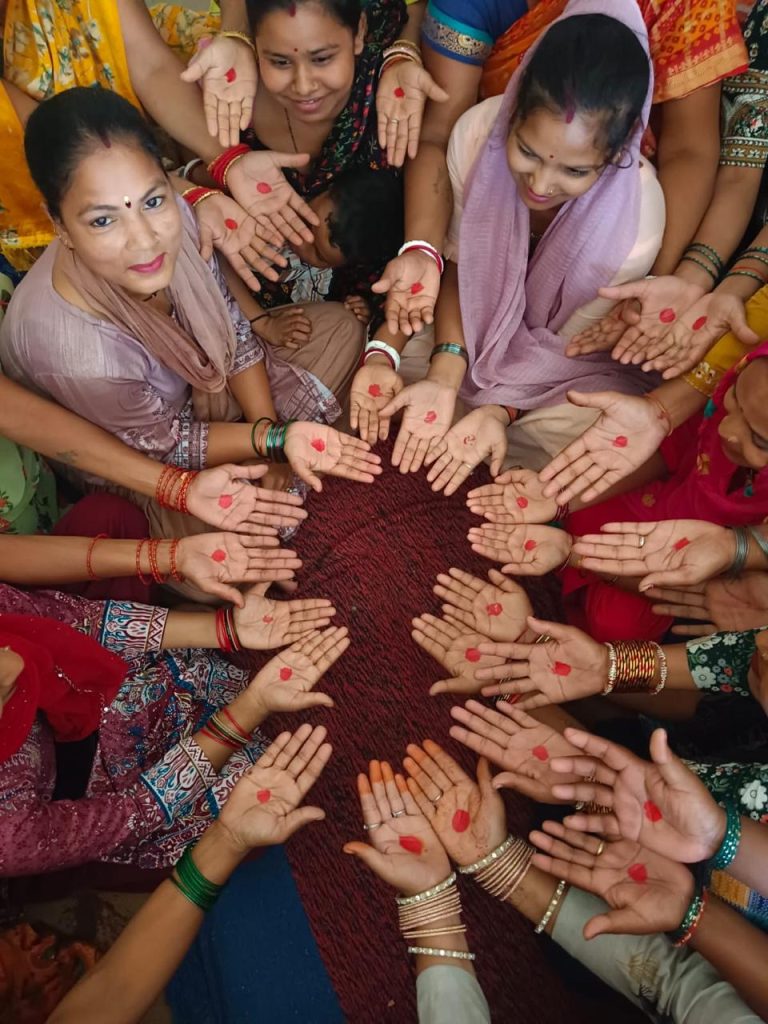
The campaign demonstrated a simple but powerful truth: menstrual health is not only a woman’s issue; it is a community responsibility.
Understanding the Historical Stigma
For centuries, menstruation has been surrounded by myths and misconceptions. Across many cultures, menstruating women were considered impure and subjected to various restrictions. In several parts of India, girls and women are still discouraged from entering kitchens, places of worship, or participating in social activities during their periods.
The consequences of these beliefs go beyond emotional discomfort. Many girls miss school, lack access to sanitary products, and are unable to seek medical support due to embarrassment and misinformation. Before menstrual hygiene gained recognition within global public health systems, women often relied on unsafe materials such as old cloth, ash, leaves, or sand, exposing themselves to infections and health complications.
It was only during the late twentieth century that researchers began documenting the relationship between poor menstrual hygiene and school absenteeism, reproductive tract infections, and social exclusion. Recognition of menstrual hygiene within the global Water, Sanitation and Hygiene (WASH) framework helped bring the issue into mainstream development discourse.
Why World Menstrual Hygiene Day Matters
World Menstrual Hygiene Day is observed annually on 28 May. The date symbolizes the average menstrual cycle—28 days—and the fifth month of the year, representing the average duration of menstruation.
The observance was initiated by WASH United in 2013 to break the silence surrounding menstruation and advocate for menstrual dignity. Today, governments, civil society organizations, schools, health institutions, and community groups across the world use the occasion to raise awareness, improve access to menstrual products, and challenge harmful social norms.
Despite progress, challenges remain significant. According to national surveys, many adolescent girls and young women in India still lack access to hygienic menstrual products and reliable information. World Menstrual Hygiene Day therefore serves as both a celebration of progress and a call for continued action.
As one participant remarked during the campaign:
“When a girl stands up and talks openly about her first period without fear or shame, that is not just awareness—it is social transformation.”
CYDA’s Nationwide Campaign in Action
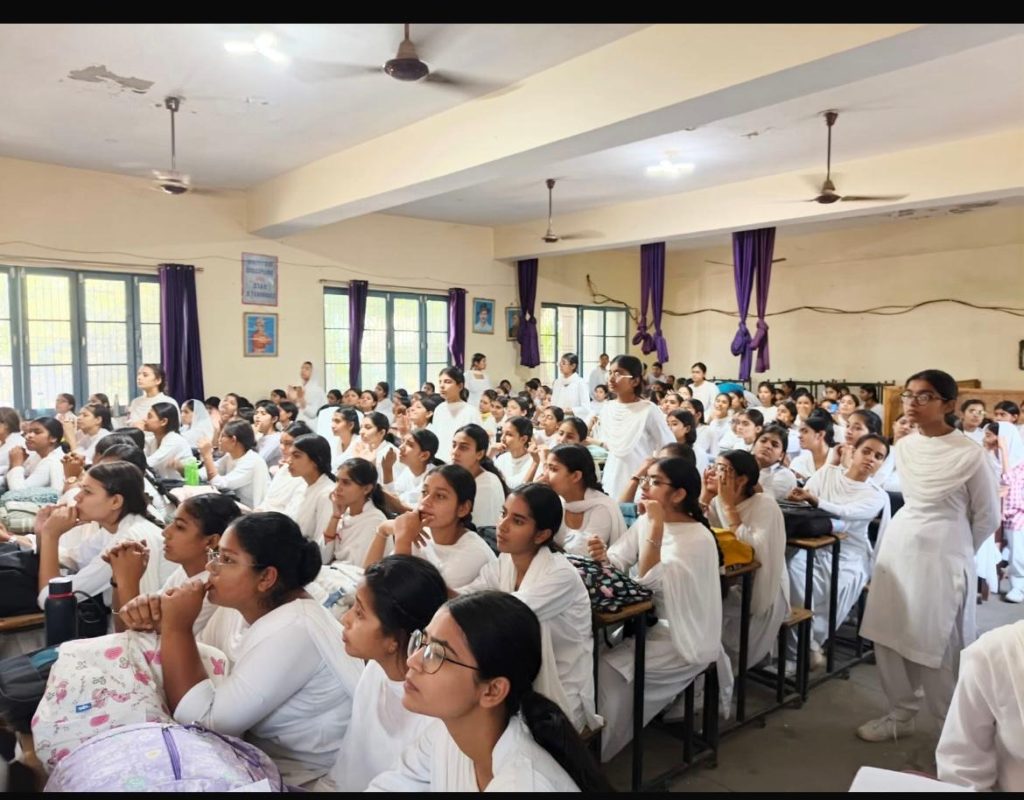
CYDA’s 2026 campaign covered an extraordinary geographical spread, bringing menstrual health conversations into schools, community halls, villages, health centres, municipal workplaces, and digital platforms.
In Maharashtra alone, 18 events were organized across locations including Pune, Mumbai, Nashik, Nandurbar, Sangli, Kolhapur, Wardha, Solapur, and Chhatrapati Sambhajinagar. Activities included street plays, health camps, essay competitions, reusable sanitary pad demonstrations, awareness rallies, and community signature campaigns.
In Uttarakhand, adolescent girls from government schools participated in educational sessions and received sanitary products through collaborative partnerships. Innovative activities such as the “Red Dot Bucket” encouraged anonymous questions from daughters, which were answered publicly by mothers, opening conversations rarely held within families.
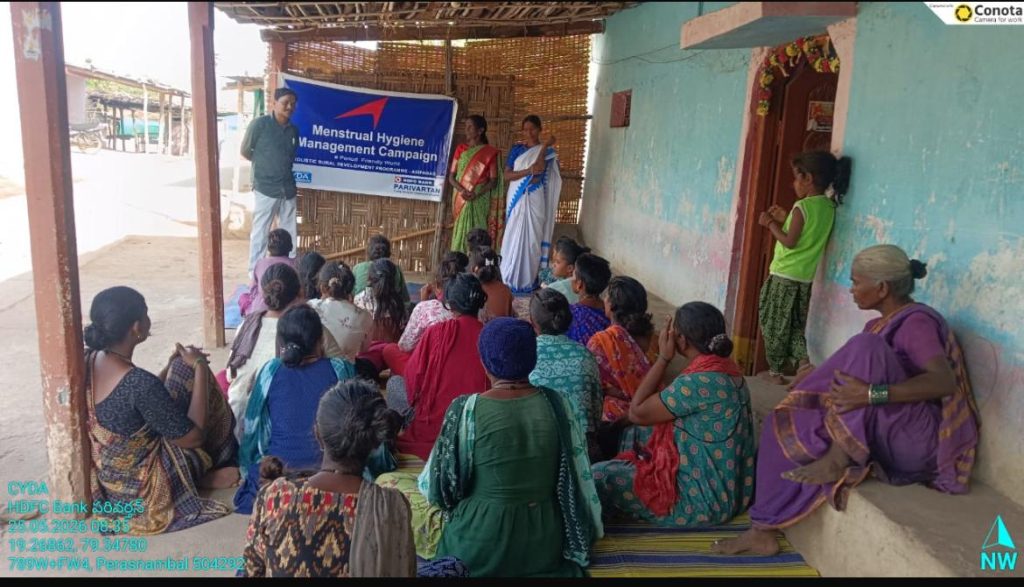
In Andhra Pradesh, awareness programmes conducted across six villages reached approximately 355 women and girls in a single day through collaboration with ASHA workers, Anganwadi staff, and health professionals.
In Telangana, Gujarat, Karnataka, Goa, Delhi NCR, Jammu & Kashmir, and Chhattisgarh, participants engaged in discussions on menstrual hygiene, nutrition, reproductive health, infection prevention, and sustainable menstrual practices. Medical professionals addressed questions that many women had never previously felt comfortable asking.
One of the most encouraging developments came from Chhattisgarh, where young men participated in menstrual hygiene sessions, reinforcing the message that menstruation should not be viewed solely as a woman’s concern.
The campaign also embraced digital advocacy through youth-led social media initiatives, demonstrating that menstrual awareness can extend beyond physical spaces and reach wider audiences through technology.
Impact Beyond Numbers
While the campaign reached over 2,529 women and girls, its true impact extends far beyond participation figures.
At the individual level, thousands of women and girls gained access to scientifically accurate information on menstrual hygiene, nutrition, reproductive health, and infection prevention. Many reported feeling more confident discussing menstruation and seeking healthcare support when needed.
At the family level, mother-daughter interactions created opportunities for conversations that had often been avoided for generations. Participants reported greater openness in discussing menstrual health within their homes.
At the community level, menstruation became a visible topic of public discussion. Awareness activities such as street theatre, signature campaigns, storytelling sessions, and group discussions challenged stigma and encouraged collective responsibility.
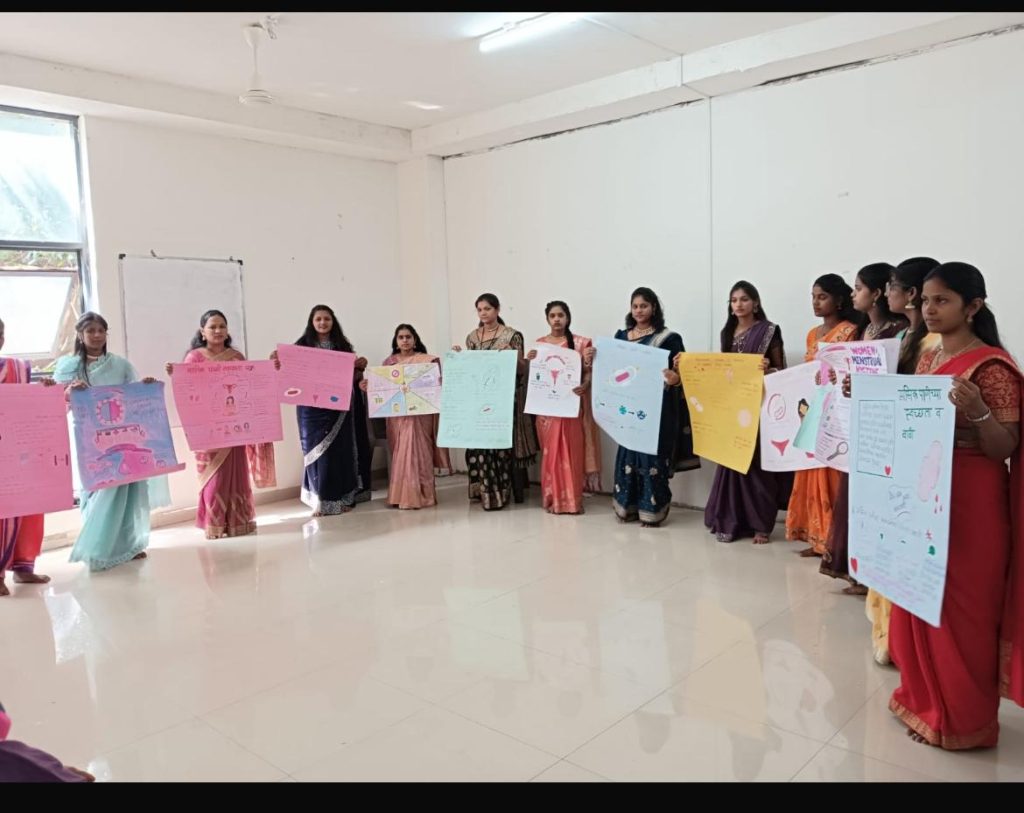
At the institutional level, partnerships with healthcare providers, educational institutions, government frontline workers, and community organizations strengthened the support ecosystem for menstrual health. The widespread introduction of reusable sanitary pads and awareness about sustainable menstrual products promoted both health and environmental benefits.
The Road Ahead
Despite encouraging progress, significant challenges remain. Many girls still lack access to safe sanitation facilities, affordable menstrual products, and reliable health information. Rural, tribal, migrant, and marginalized communities continue to face disproportionate barriers.
The 2026 campaign demonstrated that change is possible when education, healthcare access, community participation, and institutional support work together. It showed that silence can be replaced with dialogue, shame can be replaced with confidence, and myths can be replaced with knowledge.
Creating a #PeriodFriendlyWorld requires collective action from families, schools, communities, healthcare systems, governments, and civil society organizations. Menstrual dignity must be recognized as a matter of health, education, gender equality, and human rights.
As CYDA concludes its 2026 Menstrual Hygiene Management Campaign, one message remains clear: menstruation should never prevent a girl from learning, participating, achieving, or dreaming. Together, we can build a future where every woman and girl manages her period safely, confidently, and with dignity.

This Post Has One Comment
Good to see that pan India wide celebration of world MHM day by CYDA India!