
By Vikas Mhaske, Assistant Director, CYDA, Chhatrapati Sambhajinagar
Some people do not become great because of their position, but because of their work. They do not merely fulfil a responsibility; they give it new meaning through their actions and inspire others to bring about change.
The transformation of Zilla Parishad School, Farola, is an example of this. Smt. Swati Thigale , Headmistress of Zilla Parishad School, Farola, took the initiative to improve the school environment and facilities for students.
Today, the school has a greener campus, improved classrooms, an office, a kitchen garden, separate toilets for boys and girls, and digital learning facilities. The school’s earlier condition was quite different. This transformation reflects the headmistress’s initiative, the support of CYDA and CIE India, and the participation of the school community.
The School’s Earlier Condition
The Farola Zilla Parishad School had a large campus and a vast playground, but only a few trees. Water facilities were inadequate, and toilet facilities were limited. Some existing facilities were damaged and needed maintenance. Although the school had classrooms, teachers, and children eager to learn, its surroundings needed improvement. The campus lacked greenery, and better sanitation and basic facilities were required to create a more comfortable learning environment. Recognising these needs, the headmistress decided to take action.
Her Initiative to Improve the School
Smt. Swati Thigale believed that a school should be more than a place for classrooms, attendance registers, and examinations. It should be a safe, clean, and welcoming environment where children feel comfortable learning. One of the notable moments in this journey was when she came to the school grounds with her husband and planted trees using a pickaxe and spade. Rather than waiting for someone else to begin, she took the first step herself.
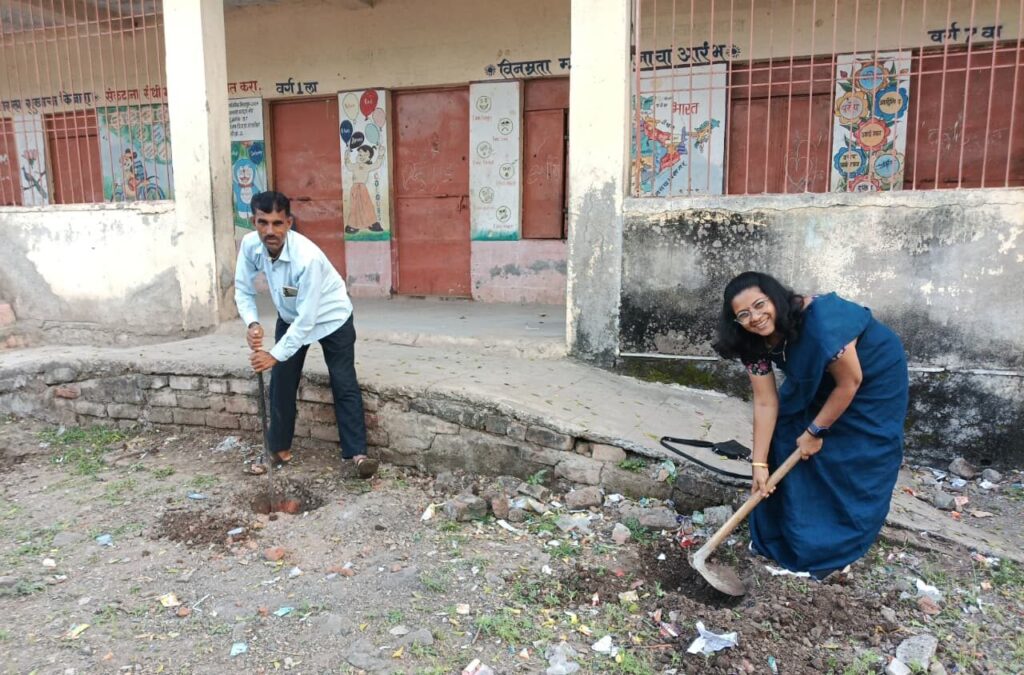
This initiative marked the beginning of efforts to make the campus greener. Over time, the work extended to other areas, including cleanliness, classroom repairs, the development of a school office, and the creation of a kitchen garden. Toilet facilities and other essential amenities were also improved. Her approach demonstrated how local leadership and consistent effort can help address a school’s needs.
Improvements in Health and Hygiene
School development is not only about improving the appearance of the campus. Facilities that support children’s health, hygiene, and dignity are equally important. Previously, the school had limited toilet facilities. Separate toilets for girls and boys have now been provided, alongside improvements to water supply and sanitation. Clean drinking water and handwashing facilities also help students practise good hygiene.
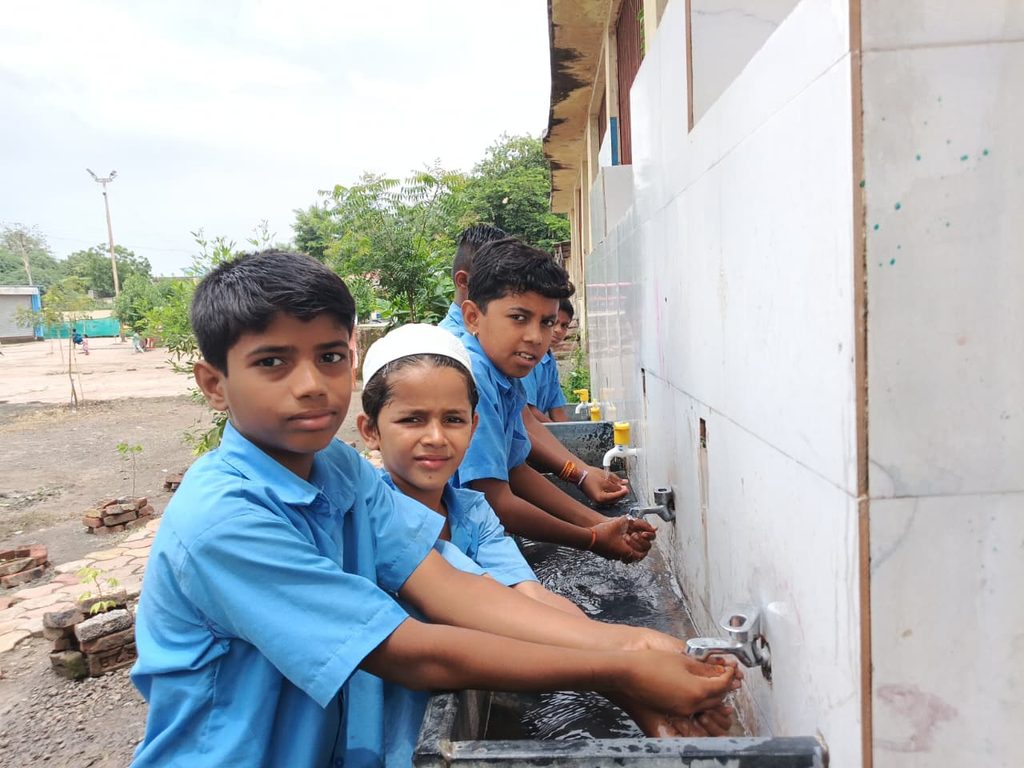
These facilities contribute to a safer and more comfortable environment for children. Their continued benefit, however, depends on regular cleaning, proper use, and maintenance by the school community.
Contribution of CIE India and CYDA
Alongside the headmistress’s efforts, support from CIE India and CYDA has contributed to the school’s development.
Through the WASH in Schools and UTKARSH 2 – Green and Sustainable Schools projects, support was provided to improve sanitation, the school environment, and learning facilities.
The facilities provided include:
- Separate toilets for girls and boys
- A solar energy system
- A K-Yan projector for digital learning
- School bags and shoes for students
- Separate handwashing stations
- A water filter for clean drinking water
- Supporting facilities for school development and cleanliness
Each facility addresses a practical need. The K-Yan projector supports digital learning, while the water filter, handwashing stations, and toilets contribute to better hygiene. The solar energy system also introduces students to sustainable energy.
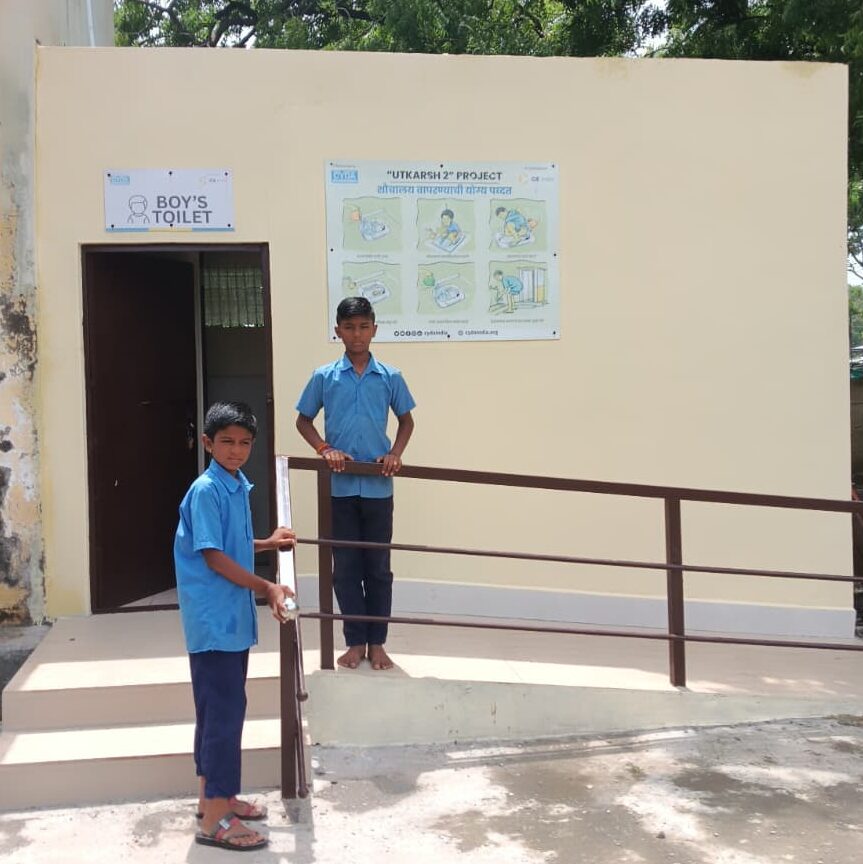
This support has helped strengthen the school’s infrastructure and complement the efforts made by its leadership. The effective use and maintenance of these facilities will be important for sustaining the improvements.
Role of the School Community
The responsibility for school development does not rest with the headmistress and teachers alone. Parents, villagers, and students also have an important role to play. Community participation helps ensure that facilities are used properly and maintained over time. Protecting the trees, keeping the campus clean, saving water, and taking care of school property are shared responsibilities.
When school staff and the community work together, improvements are more likely to last. Children also learn the value of cleanliness, environmental protection, and collective responsibility through their everyday experiences.
A Better Learning Environment
The changes at Farola school are visible in its greener campus, improved classrooms, kitchen garden, sanitation facilities, and digital learning resources. These improvements help create a cleaner and more supportive environment for students. Children need access to safe drinking water, clean toilets, suitable classrooms, and opportunities to learn through different methods. Better facilities can support their comfort, participation, and overall school experience.
The school’s journey illustrates how rural Zilla Parishad schools can improve their facilities through committed leadership, appropriate institutional support, and community involvement.
Reflections from the Field
While working with schools through CYDA on sanitation, water, environmental protection, and sustainable development, I have seen the importance of connecting infrastructure improvements with children’s everyday needs. The experience at Farola highlights how initiative at the school level can work alongside project support to bring about practical change. The headmistress helped drive the efforts locally, while CYDA and CIE India contributed through their projects and support for improved facilities. It also reinforces the importance of collaboration. Providing resources is one part of school development; ensuring that facilities are used effectively and maintained over time requires the involvement of school staff and the wider community.
Conclusion
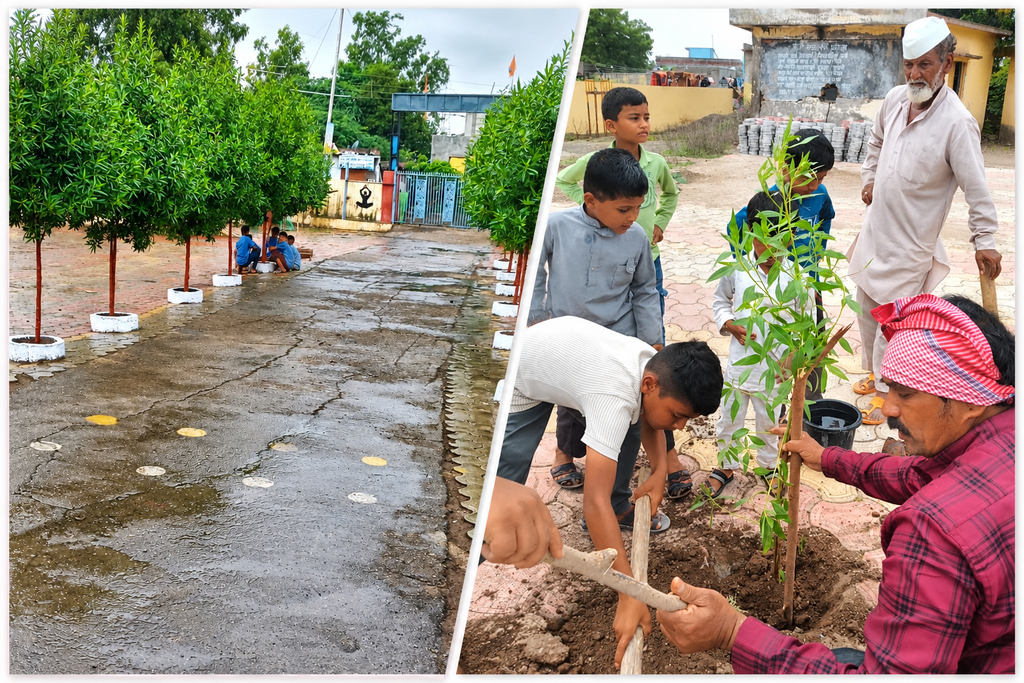
I remember the day the headmistress came with her husband to plant trees on the school grounds. That practical first step became part of a broader effort to improve the campus and provide better facilities for students. The journey of Farola Zilla Parishad School shows how committed school leadership, support from CYDA and CIE India, and community participation can work together to create a better learning environment for children.
