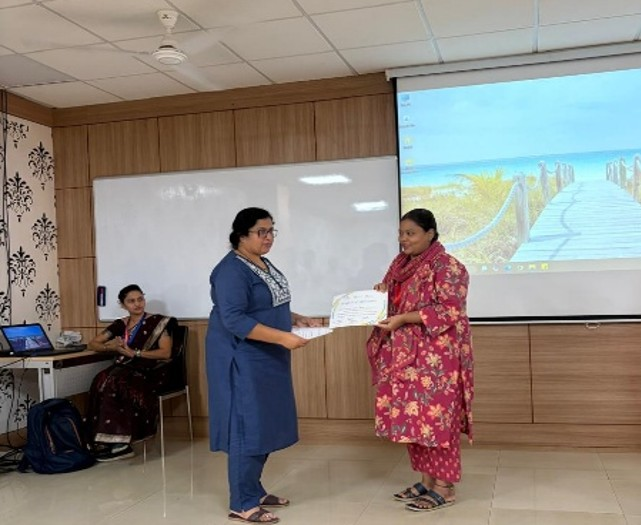
By Amruta Pawar, STEM Coordinator
A simple lesson about how a car works became a national conversation on Computational Thinking. At the 8th Conference on Computational Thinking in Schools (CTiS 2026), held at IISER Pune from 30 July to 1 August 2026, the Centre for Youth Development and Activities showcased how everyday experiences can help students build the skills needed for an AI-driven future.
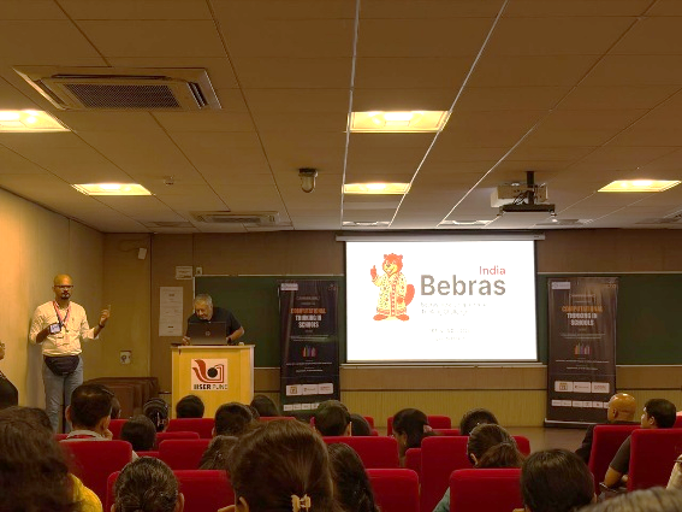
Educators, researchers and technology leaders across India and beyond, including expertise from Michigan State University, IIT Madras, Azim Premji University, Chennai Mathematical Institute, TCS Research, CSpathshala, Green Buddies Foundation, e-Yantra, Educational Initiatives, PICT Model School, and IISER Pune participated in the three days conference. CYDA’s STEM & AI team participated in discussions, workshops, and presentations that emphasised making computational thinking more accessible in schools
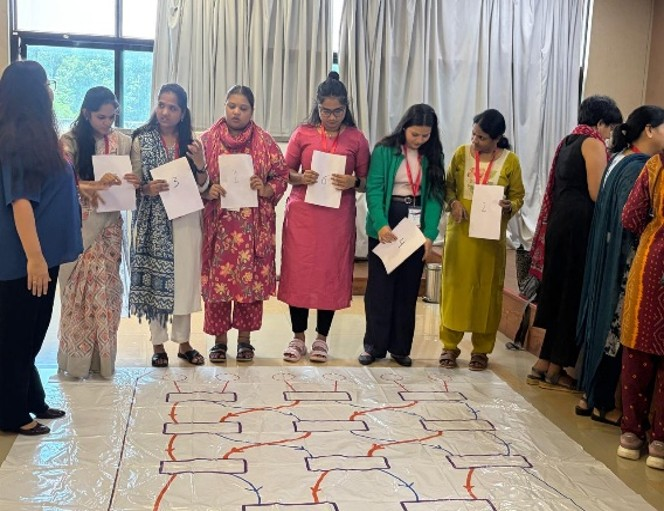
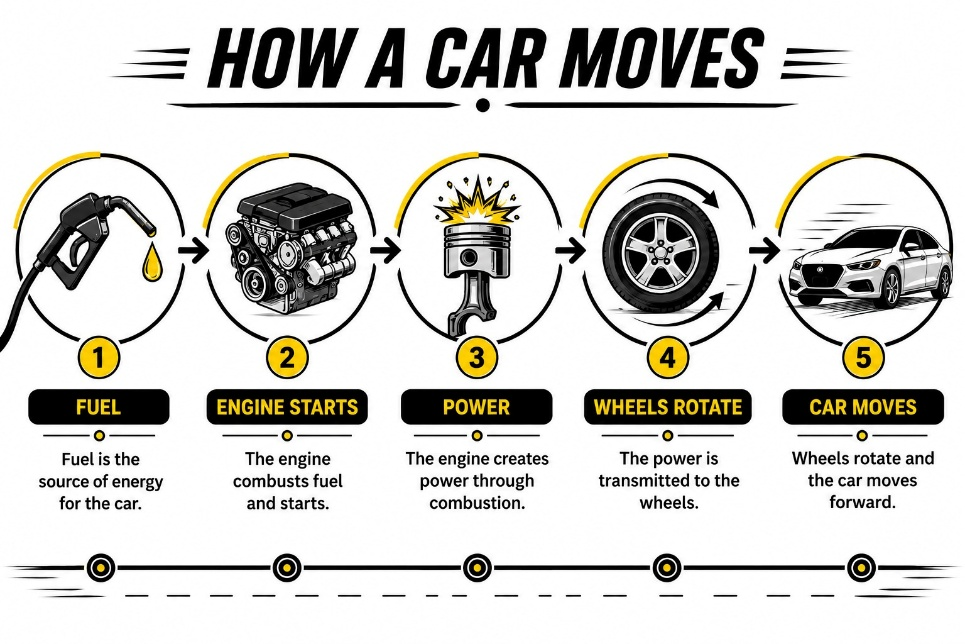
They presented “InPutra,” a classroom case study. The presentation highlighted CYDA’s practical approach to teaching the Input–Process–Output (IPO) concept through experiential learning. Instead of relying on textbook explanations, InPutra uses a familiar example – A car is used to help students identify inputs such as fuel, battery power, and the driver’s actions; understand how these inputs are processed to create movement; and recognise the output as the car moving forward. Students then extend this understanding by applying Computational Thinking concepts including decomposition, abstraction, logical reasoning, pattern recognition, and algorithmic thinking, representing processes through simple logical sequences.
What makes the model distinctive is its low-cost and inclusive design? Using pictures, videos, role-play and simple classroom materials, the activity makes complex concepts easier to understand, even in schools with limited resources. Several interactive games and activities such as sorting the numbers, guess the puzzle, Integer Maze and Decimal Dominoes helped the participants understand and get clarity to enhance their learnings.
This recognition builds on the foundation, that through STEM Innovation Learning Center, the Computational Thinking was introduced in 2024 through unplugged, activity-based learning. The InPutra approach has already engaged over 60 students of 5 –10 grades and three trained educators, with two Computational Thinking sessions every week. The experience has strengthened students’ ability to identify IPO concepts independently, think systematically, collaborate confidently and present their ideas with clarity. Beyond the presentation, CTiS 2026 offered valuable learning opportunities.
. For CYDA, CTiS 2026 was a milestone that validated years of classroom innovation. By transforming everyday experiences into learning tools, “InPutra” demonstrates that Computational Thinking and AI education can be practical, inclusive and inspiring. As the organization continues to strengthen its STEM programmes, this achievement confirms its commitment to help young people become curious thinkers, confident problem-solvers and responsible users of technology.