Supported by Bajaj Finserv, CYDA, YouthAid Foundation, and the Yashwantrao Chavan School of Social Work and in collaboration with the Government, it celebrated World Youth Skills Day across Maharashtra, promoting employability, women’s empowerment, entrepreneurship, and inclusive livelihoods. ImpactLens Correspondent captures how collaborative action is building a skilled, self-reliant, and future-ready generation.
Every year on 15 July, the world observes World Youth Skills Day, reminding governments, institutions, industries, and civil society that the future of every nation depends not merely on the number of educated young people it produces, but on the quality of skills they possess. Established by the United Nations, the day recognizes that technical, vocational, entrepreneurial, digital, and life skills are essential for ensuring decent employment, innovation, and inclusive economic growth.
This year’s theme carried particular significance. As artificial intelligence, automation, climate change, and the green economy reshape the labour market, the demand for adaptable, future-ready skills has never been greater. While millions of young people aspire to meaningful livelihoods, many continue to face a widening gap between education and employability. Bridging this gap requires collaborative action from governments, educational institutions, industries, and development organisations.
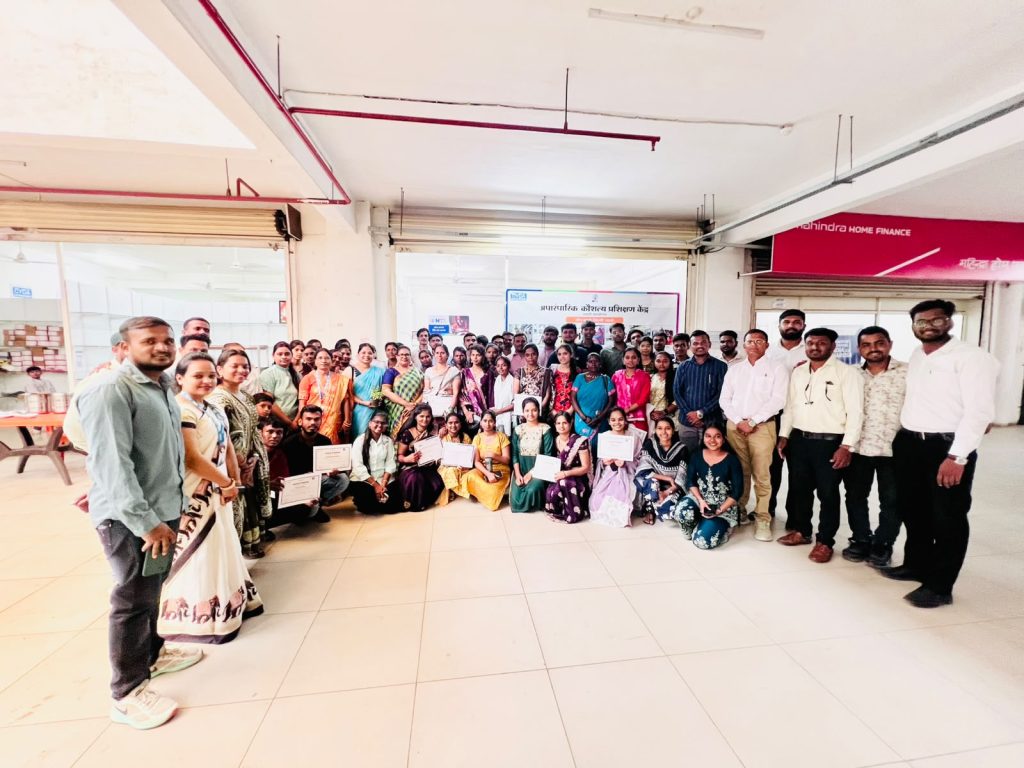
Across Maharashtra, CYDA (Centre for Youth Development and Activities), in collaboration with YouthAid Foundation and the Yashwantrao Chavan School of Social Work, transformed World Youth Skills Day into a movement rather than a ceremonial observance. Through programmes conducted in Nashik, Sangli, Satara, and Chhatrapati Sambhajinagar, hundreds of young women and men came together to celebrate not just skills, but confidence, entrepreneurship, inclusion, and the belief that every young person deserves an opportunity to build a dignified future.
The celebrations reflected an important philosophy: skills are not merely instruments for employment; they are pathways to dignity, independence, and social transformation.
One of the most inspiring celebrations took place in Sangli, where the District Skill Development, Employment and Entrepreneurship Guidance Centre joined hands with CYDA, YouthAid Foundation, and LIAD Institute of Art & Design under the Skill4Change initiative. Government officials, social welfare leaders, entrepreneurs, and development practitioners came together to discuss employment opportunities, entrepreneurship, and women’s economic empowerment.
The programme highlighted stories that statistics alone can never capture. Ten women undergoing E-Rickshaw Driver Training were publicly felicitated for challenging traditional gender stereotypes. Choosing a profession long considered a male domain requires immense courage, particularly in conservative social environments. These women demonstrated that economic empowerment begins when confidence overcomes convention. Their recognition symbolised a larger social transformation where women are increasingly claiming spaces once denied to them.
Equally moving were the voices of entrepreneurs from the LGBTQIA+ community who shared their journeys of struggle, resilience, and hope. They spoke about how seed capital and entrepreneurial support were helping them establish sustainable businesses while restoring dignity and self-belief. Their stories reminded everyone that inclusive development means ensuring opportunities for every individual, regardless of gender identity or social background. Skill development, therefore, becomes a powerful instrument for equality as much as economic progress.
In Satara, the celebrations adopted a grassroots approach. Instead of limiting the observance to a single event, the Skill4Change initiative focused on building a long-term community mobilisation strategy. Community Resource Persons from Wai and Mahabaleshwar talukas gathered to understand how skill development can become a catalyst for village-level transformation.
The discussions extended beyond training programmes. They explored entrepreneurship, employability, women’s leadership, and economic empowerment. At the end of the meeting, Community Resource Persons committed themselves to conducting awareness sessions across villages, identifying interested youth and women, and connecting them with opportunities for skill development and livelihood generation.
This commitment demonstrated an important principle of sustainable development: meaningful change happens when local communities become active partners rather than passive beneficiaries. By empowering community leaders to become ambassadors of skill development, the initiative laid the foundation for a self-sustaining ecosystem of awareness, mobilisation, and opportunity.
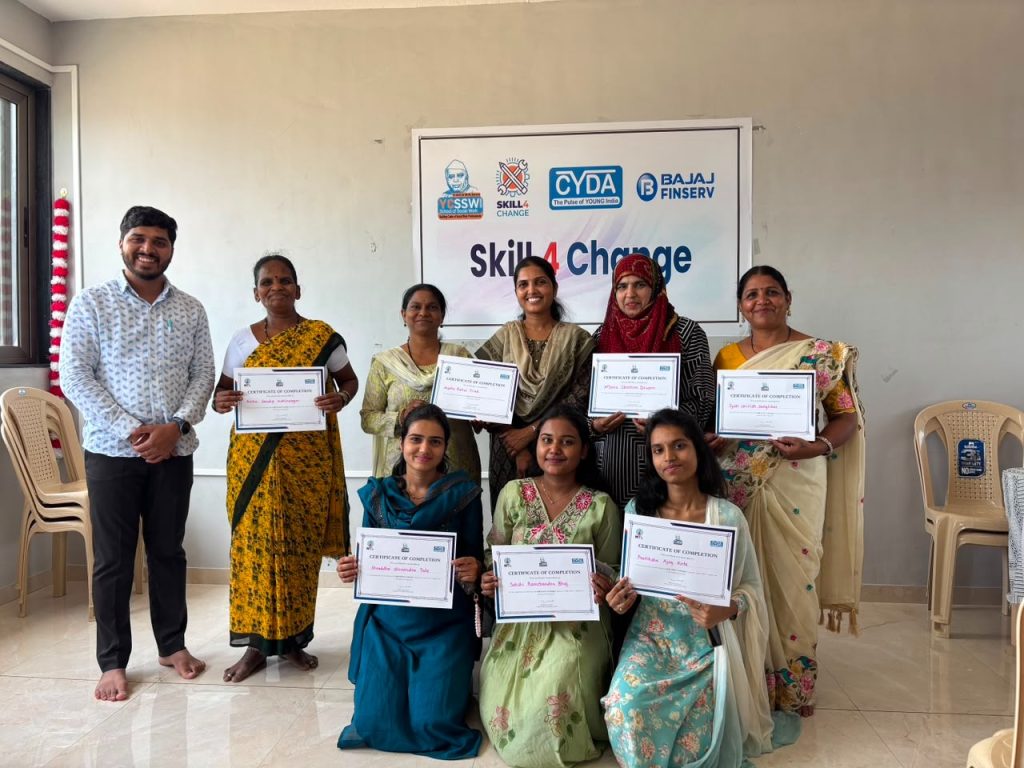
Satara also witnessed another equally significant milestone with the Certificate Distribution Ceremony for women completing Soft Skills and Hard Skills training under Skill4Change. While certificates often represent the conclusion of a training programme, for these women they symbolised the beginning of a new journey.
Many participants shared that receiving their certificates strengthened their confidence and motivated them to seek better employment or establish their own enterprises. Behind every certificate was a story of perseverance—women balancing family responsibilities, overcoming social barriers, and investing in themselves to secure a brighter future.
The ceremony celebrated more than academic achievement; it celebrated courage, resilience, and aspiration. It reinforced the message that empowering women through skills has a multiplier effect, strengthening families, communities, and local economies.
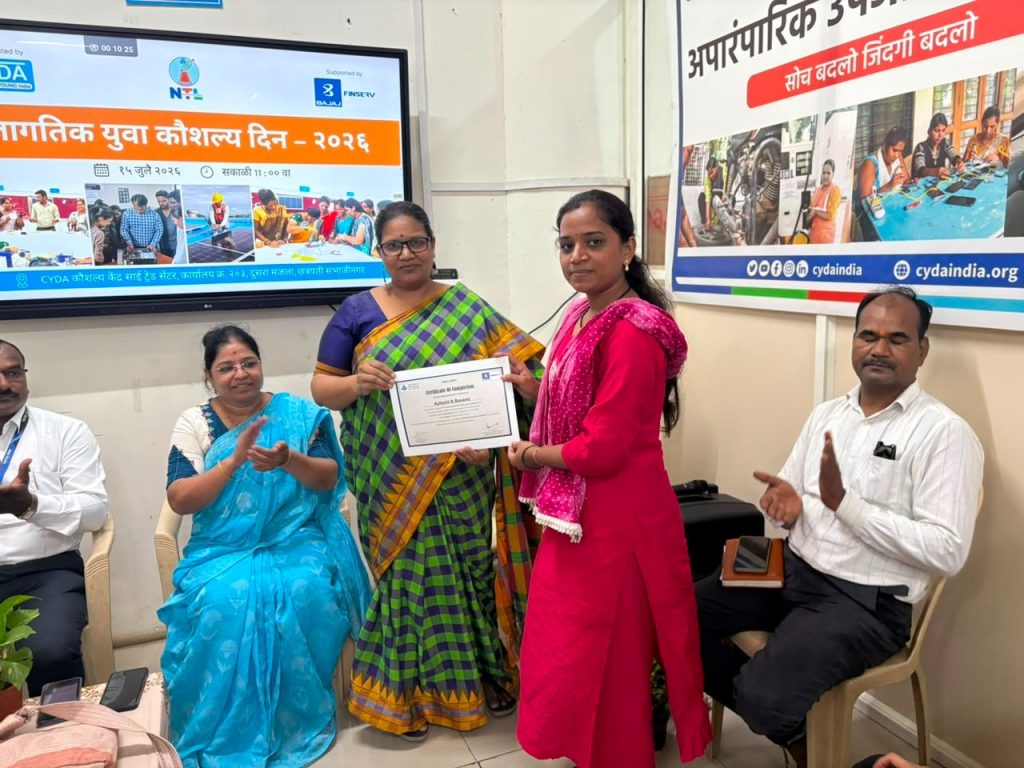
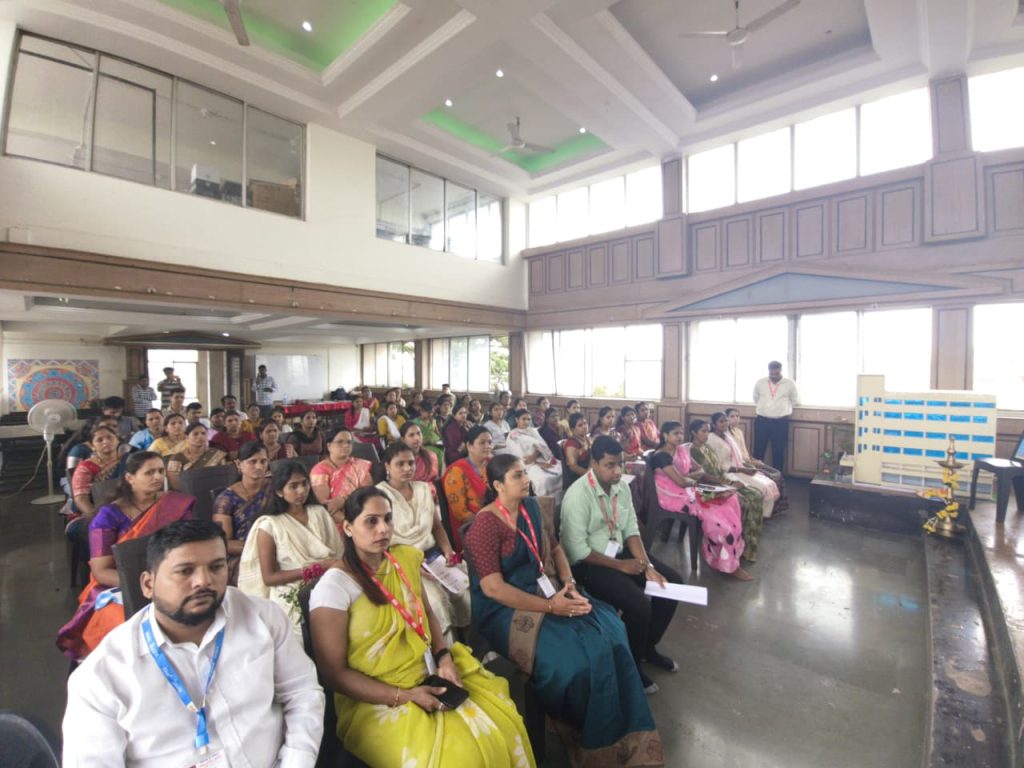
Meanwhile, in Chhatrapati Sambhajinagar, CYDA organised an extensive awareness and career guidance programme bringing together experts from academia, government departments, private industries, and skill development institutions.
The discussions covered a broad spectrum of themes—from personality development and communication skills to entrepreneurship, digital competencies, industry expectations, and career planning. Participants engaged actively with the speakers, asking questions and sharing their aspirations.
What distinguished the programme was its emphasis on preparing youth for a rapidly changing employment landscape. Today’s employers seek much more than technical knowledge. They value adaptability, communication, teamwork, digital literacy, critical thinking, and continuous learning. The sessions therefore encouraged participants not merely to search for jobs but to prepare themselves for lifelong employability.
The programme reached 81 beneficiaries, including 48 women and girls, reflecting the growing participation of young women in skill development initiatives. Participants expressed that the guidance had broadened their understanding of career opportunities while boosting their confidence to pursue employment and entrepreneurship.
Collectively, these celebrations demonstrated that skill development today extends far beyond vocational training. It encompasses digital literacy, entrepreneurial thinking, environmental responsibility, communication, leadership, financial literacy, and social inclusion.
India is home to one of the world’s youngest populations. This demographic dividend can become the nation’s greatest strength—or its greatest missed opportunity. The difference lies in whether young people receive relevant, industry-responsive, and future-oriented skills. As artificial intelligence, automation, renewable energy, and the circular economy redefine global industries, today’s youth require not only technical expertise but also the ability to continuously learn, innovate, and adapt.
The programmes conducted across Maharashtra reflected this broader understanding. They recognised women entering unconventional professions, supported LGBTQI+ entrepreneurs, mobilised rural communities, strengthened partnerships with government departments, and encouraged entrepreneurship alongside employability. These are precisely the kinds of integrated interventions needed to build an inclusive workforce for the future.
The success of World Youth Skills Day also highlights the importance of partnerships. Government departments, civil society organisations, educational institutions, industries, and local communities each contribute unique strengths. When these stakeholders work together, they create ecosystems where skills translate into livelihoods, innovation, and sustainable development.
As India moves toward becoming a global knowledge and innovation economy, investments in youth skills must remain a national priority. Every young person equipped with the right competencies represents not only an individual success story but also a contributor to national productivity, social cohesion, and economic resilience.
World Youth Skills Day 2026 was therefore not merely a celebration. Across Maharashtra, it became a powerful reminder that every skill learned builds confidence, every opportunity created transforms lives, and every empowered young person brings India one step closer to a more inclusive, prosperous, and self-reliant future.
