How Four Tribal Villages in Nandurbar Built Hope at Home
By ImpactLens Correspondent
“The biggest change is not that our income has increased. The biggest change is that our children no longer have to leave school because we migrate.” — A farmer from Shahada.
Every year, as the monsoon ended in the tribal villages of Chirde, Nagziri, Pimprani, and Ranipur in Maharashtra’s Nandurbar district, a familiar journey began. Families packed their belongings, locked their mud houses, and travelled hundreds of kilometres to work in sugarcane fields, brick kilns, and construction sites. Entire households migrated together. Children abandoned classrooms. Women worked long hours under difficult conditions. Agriculture remained seasonal, and poverty repeated itself generation after generation.
Migration was not a choice for them. It was survival. Three years later, that story is beginning to change.
Supported by ASK Foundation, the Samruddh Kisan Prakalp, implemented by CYDA, has demonstrated that when livelihoods, education, health, agriculture, and community institutions are strengthened together, migration gradually becomes an option rather than a necessity.
Where Development Was Needed the Most
Nandurbar is one of Maharashtra’s most tribal districts, where almost seventy percent of the population belongs to Scheduled Tribes. The four project Gram Panchayats are among the most vulnerable communities in Shahada block. Small landholdings, erratic rainfall, poor irrigation, weak educational outcomes, malnutrition, and limited livelihood opportunities had trapped families in a cycle of poverty.
Nearly 95 percent of the households reached through the project belong to Scheduled Tribe communities, while more than one-fourth of households are landless. These realities demanded more than isolated interventions—they required an integrated approach that addressed the multiple dimensions of poverty simultaneously.
Building Prosperity One Village at a Time
Rather than treating education, agriculture, health, or livelihoods as separate issues, the project viewed them as interconnected. A farmer earning more income is less likely to migrate. A child whose parents remain in the village attends school regularly. A healthy mother raises healthier children. A confident young entrepreneur creates employment for others. With this philosophy, the project worked across four pillars:
- Quality Education
- Health and Nutrition
- Sustainable Livelihoods
- Community Institution Strengthening
Over three years, 2,195 community members participated directly in project activities, with women representing more than half of all participants.
Migration Begins to Decline
The most visible impact has been the gradual reduction in distress migration. Instead of depending entirely on seasonal wage labour, families now have multiple income streams within their villages.
Farmers adopted improved agricultural practices. Women established micro-enterprises. Landless households invested in goat rearing. Young people launched businesses ranging from mobile repair to food processing.
Average household income increased from approximately ₹30,000–40,000 annually to between ₹1 lakh and ₹3 lakh, allowing families to remain in their villages for much longer periods. Parents repeatedly shared one common observation:
“For the first time, our children are completing an academic year without interruption.”
Agriculture Became a Business
Agriculture had traditionally provided only subsistence income. The project introduced drip irrigation, organic farming, collective procurement through Farmer Groups, and improved production practices. Crop yields nearly doubled. Farm incomes increased by more than seventy percent. Farmer Groups reduced cultivation costs through bulk purchasing of agricultural inputs while strengthening collective bargaining.
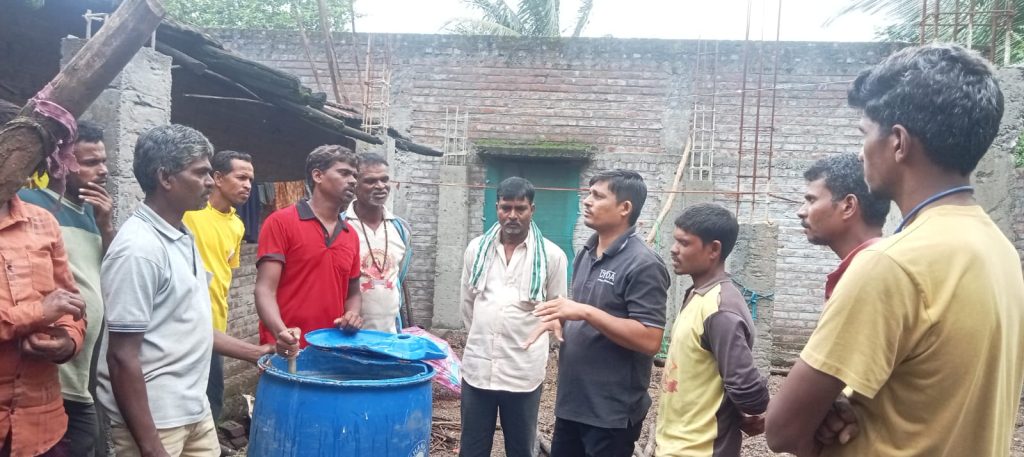
For many farmers, agriculture shifted from being a livelihood of uncertainty to becoming a profitable enterprise.
The Goat That Changed Household Economics
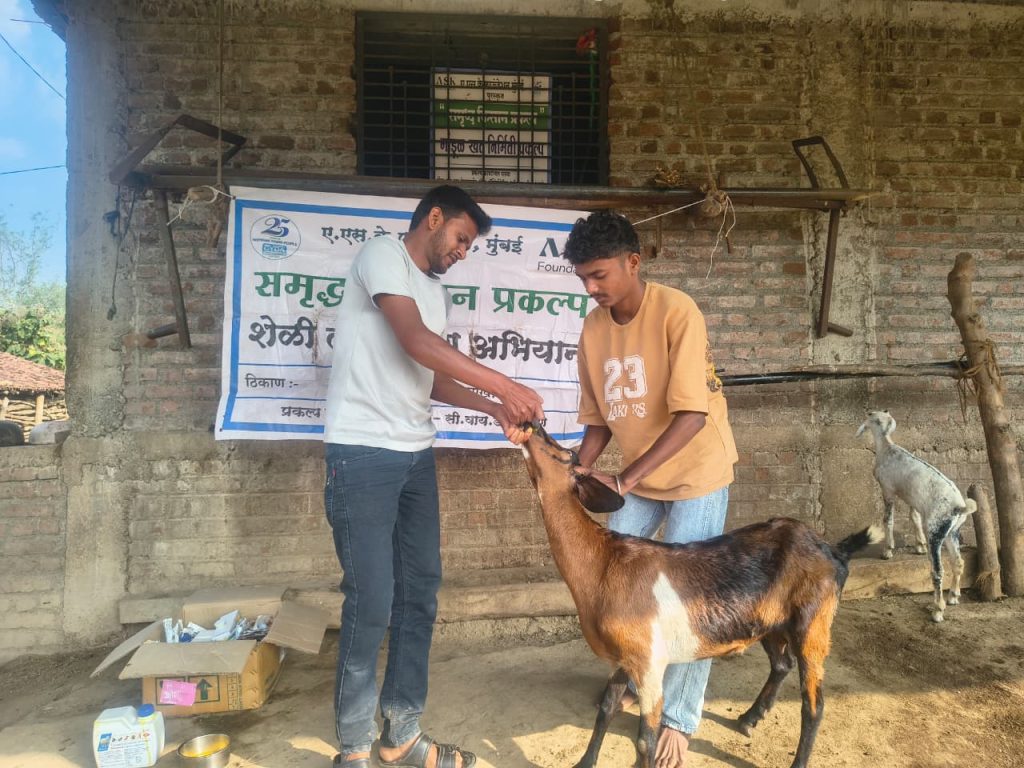
For families with little or no cultivable land, goat rearing emerged as a dependable source of income. Through the distribution of 540 improved goats, insurance coverage, vaccinations, and regular veterinary support, livestock mortality was reduced significantly while annual household earnings increased several times over.
For women especially, goat rearing meant income they could manage close to home without leaving their families. The intervention demonstrated that even landless households can achieve economic resilience when appropriate livelihood models are introduced.
Education Without Interruption
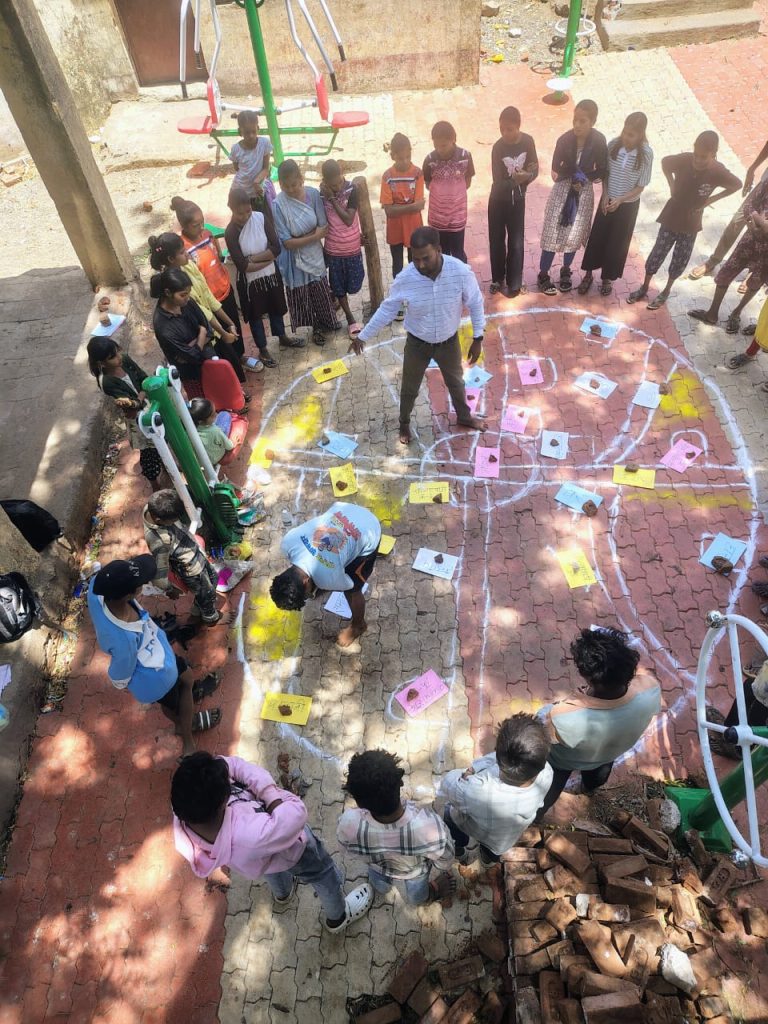
Migration often meant children disappearing from classrooms for months. The project tackled this challenge through remedial education, Bridging Learning Gap modules, teacher training, improved school sanitation, career guidance, and STEM learning.
Nearly one thousand learning modules reached primary school children. Attendance increased dramatically. Dropout rates fell. Schools became cleaner, safer, and more engaging. Child Cabinets encouraged students themselves to become ambassadors of hygiene and school improvement.
Education became more than attendance—it became participation.
Women Became Decision Makers
Perhaps one of the most profound changes occurred inside homes. Women who had traditionally remained outside financial decisions began managing enterprises, operating bank accounts, and contributing significantly to household income.
Dedicated Entrepreneurship Development Programmes encouraged women to start businesses suited to local markets. Today, many women report participating actively in household financial decisions—an extraordinary shift from the project baseline. Economic empowerment translated into greater confidence, mobility, and community leadership.
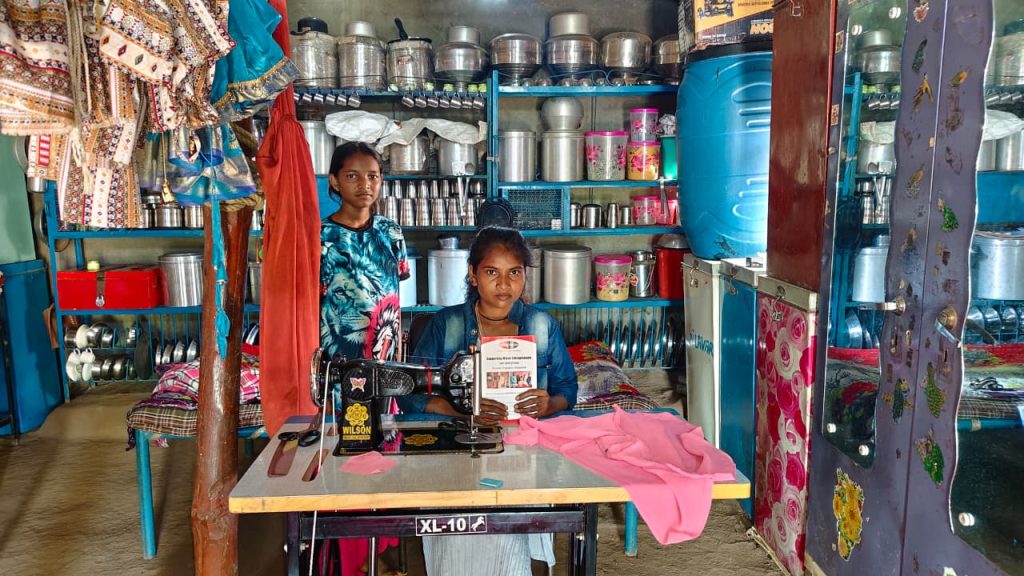
A Story of Enterprise: Nirmala’s Journey
Among the many inspiring stories emerging from the project is that of Nirmala Bittusingh Nimbji. A few years ago, her family survived through traditional farming and a small rice mill with limited earnings. After participating in the Entrepreneurship Development Programme, they transformed their approach entirely. Instead of merely milling local rice, they began sourcing premium varieties from surrounding markets, processing and polishing them, and selling branded rice directly to customers.
The business expanded rapidly. Today, the family undertakes multiple procurement trips every month, earning ₹1.5–1.6 lakh in monthly profits, while diversifying into flour milling, retail snacks, and transportation services. Nirmala’s leadership earned her the Mahila Krishi Samman Award, but perhaps her greatest achievement lies elsewhere. She has become a role model for young tribal women who now see entrepreneurship as a realistic aspiration rather than an impossible dream.
Health Beyond Hospitals
Health interventions focused on prevention rather than treatment. Maternal health awareness sessions, Menstrual Hygiene Management programmes, nutrition counselling, health camps, and clean drinking water initiatives reached hundreds of families.
The introduction of 177 Matikalp eco-filters in remote hamlets significantly improved access to safe drinking water. Communities reported fewer water-borne illnesses and increased awareness about preventive healthcare. The strengthened Village Health, Nutrition and Sanitation Committees now continue many of these efforts independently.
Partnerships That Multiplied Impact
One remarkable feature of the project was its ability to leverage government resources. Through convergence with departments including ATMA, MAVIM, SBI-RSETI, Gram Panchayats, schools, agriculture, and health institutions, the project mobilised more than ₹30 lakh worth of government support. This approach ensured that CSR investment acted as a catalyst rather than a substitute for public resources, creating greater scale and sustainability.
Looking Ahead
The project concludes after three years, but its journey continues through strengthened local institutions. Farmer Groups continue collective procurement. Village committees oversee community development. Community Resource Centres have been handed over to Gram Panchayats. Child Cabinets continue promoting hygiene in schools. Goat clusters and entrepreneurs are expanding independently.
Challenges remain. Climate uncertainty, infrastructure gaps, and the need for continued mentoring require ongoing attention. Yet the foundation for lasting change has been laid.
More Than an Intervention
Development is often measured in numbers. Households reached. Training sessions completed. Assets distributed. But in Shahada, the most meaningful indicator cannot easily be captured in a spreadsheet.
It is the sight of children attending school throughout the year. It is women confidently discussing business plans. It is farmers planning their next crop instead of their next migration. It is communities believing that prosperity can be created where they live.
The Samruddh Kisan Prakalp demonstrates that when communities receive integrated support, dignity replaces dependency, opportunity replaces migration, and hope becomes rooted in the village itself.
That is the true impact of three years of partnership between the ASK Foundation, CYDA, and the resilient tribal communities of Shahada.
