
By Vishal Mattam
In Asifabad district of Telangana, a quiet educational revolution is taking root. For decades, tribal and rural schools across the region have grappled with systemic barriers, limited pedagogical resources, geographical isolation, inadequate sanitation, and low student attendance. Yet, inside one of the government tribal schools a long held dream has finally materialized, fundamentally altering how children learn, engage and thrive.
A Lifelong Dream Realized
For the school’s headmaster, approaching the twilight of his teaching career, modernizing his classroom had always felt like an elusive goal. Preparing tribal children for an increasingly digital world without modern resources had been an enduring challenge.
“Before the HDFC Project intervention, there was no digital method of learning or digital resources in the school. I used to wish that before my retirement I would have digital learning at my school.” Headmaster Laxman Wagade, Babapur School, Asifabad.
That aspiration became a reality through the HDFC Bank Parivartan project supported by HDFC Bank and executed by CYDA. By introducing SMART interactive TV Infrastructure, & upgrading with Water, Sanitation & Hygiene facilities (WASH).
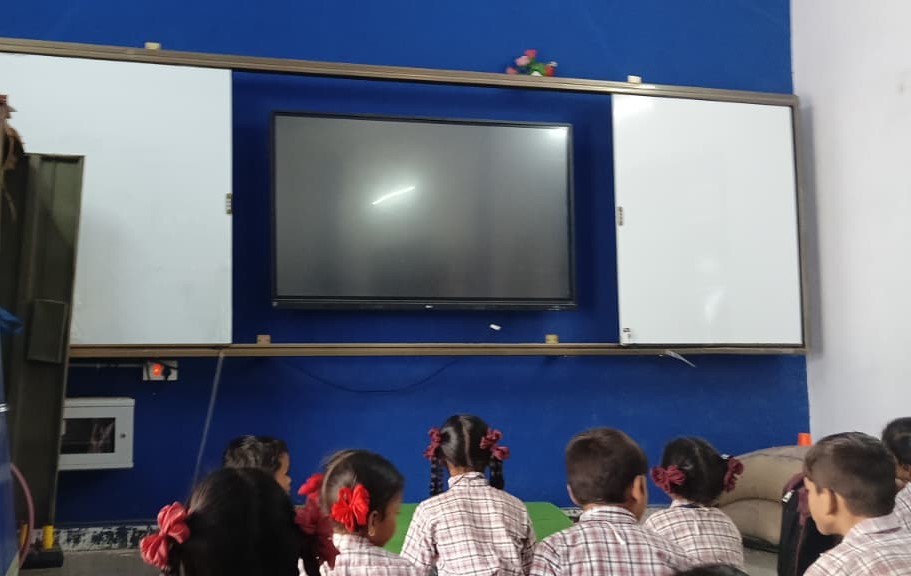
Bringing Textbooks to Life
The introduction of the interactive SMART TV has ignited a wave of curiosity among students. Complex concepts in science, geography and mathematics previously confined to static, chalk drawn diagram & abstract expenditure are now animated through vibrant audio visuals, educational documentaries and interactive modules.
“It has been very helpful and exciting for the students”, notes the Headmaster. “They are far more interested in learning from the SMART TV and are excited to learn new things. For me & my staff, it has become significantly easier to convey certain topics & syllabus through videos and images”.
This shift has yielded a profound, measurable outcome, a drastic reduction in absenteeism. Where seasonal agricultural demands or disinterest once kept children away. The excitement of digital discovery now draws them eagerly into the classroom every morning.
Dignity Health & Behavioural Change
Equally transformative has been the comprehensive overhaul of the school’s sanitation infrastructure. Access to clean, functional sanitation is a cornerstone of student dignity and disease prevention, particularly for children in remote tribal communities.
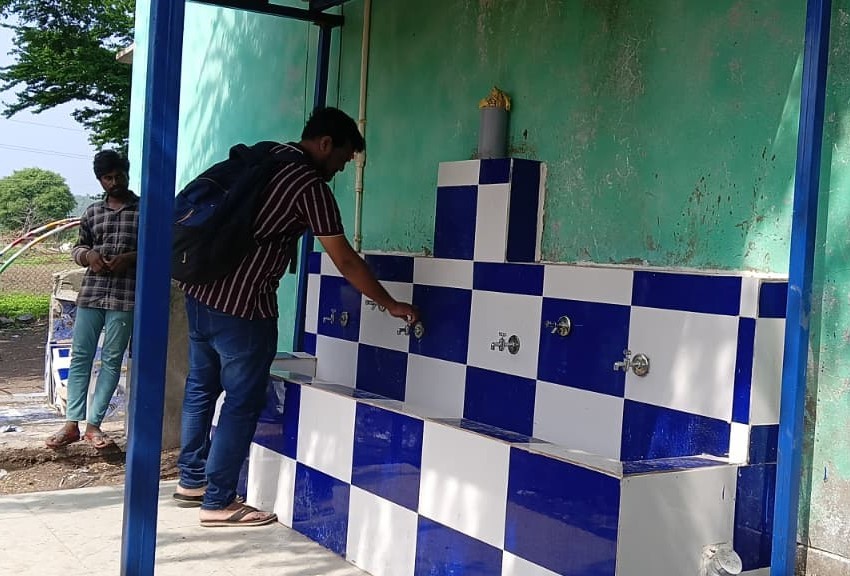
Under the project, dilapidated toilets were renovated and dedicated multi-tap hand-washing stations were constructed. To ensure long term sustainability beyond physical construction, CYDA staff conducted interactive demonstrations for both educators and students on systematic maintenance and correct hand-washing practices.
Key Outcomes Observed Before & After
| Indicator | Before Intervention | After Intervention |
| Percentage of teachers regularly using digital teaching methods | 0% (No digital teaching methods) | 100% ( Smart classroom schools all teachers use digital teaching methods) |
| Percentage of student attendance | 60% – 70% of the enrolled students used to attend the school regularly | This figure has increased to 85% – 95% school attendance of enrolled students |
| Percentage of dropouts | 8% – 10% | 2% – 3%. The number of students dropping out has also decreased as they are more interested in learning through the new digital teaching methods |
| Percentage of students accessing safe drinking water daily | 40% – 50% of students used to bring their water from home or use nearby borewells | 90% – 95% after the installation of filtered drinking water, the students are using it. The government has also installed filtered drinking water units in some of the schools |
| Percentage of students having access to functional WASH facilities during school hours | 50% – 60% of the students used to have access to functional toilets and drinking water units | This figure has increased to 80% – 95% after the installation and renovation of drinking water units and toilets and urinals in schools. |
A Blueprint for sustainable Rural Development
The transformation in Asifabad demonstrates that meaningful educational progress requires an interconnected approach. Pairing cutting edge digital learning tools with foundational hygiene infrastructure creates a secure, stimulating environment where marginalized children can flourish.
The collaboration between HDFC Parivartan and CYDA stands as a powerful testament to how targeted grassroots interventions can bridge the equity divide & secure a brighter future for India’s tribal youth.
