
By Devraj Patil, CEO, Yuva Rural Association
Until a few years ago, life for thousands of rural families in Nagpur and Bhandara districts of Vidarbha revolved around collecting firewood, cooking on smoky traditional stoves, and spending a significant portion of their income on LPG, healthcare, and chemical fertilizers. Women walked long distances to gather fuelwood, children studied in smoke-filled homes, and farmers struggled with rising cultivation costs and declining soil fertility.
Since 2022, everything changed with the introduction of the Biogas (Clean Cooking Solution) Programme supported by Infosys Limited and implemented by Yuva Rural Association (YRA).
Each household received a biogas plant that converted cattle dung into clean cooking gas and nutrient-rich organic slurry. What appeared to be a simple clean energy solution soon transformed lives in multiple ways.
The first visible change was inside the kitchen. Smoke disappeared, making cooking cleaner, faster, and safer. Women no longer spent hours collecting firewood or tending traditional chulhas. Every family saved nearly four hours every week, allowing women to invest their time in productive work, children’s education, farming activities, and personal well-being.
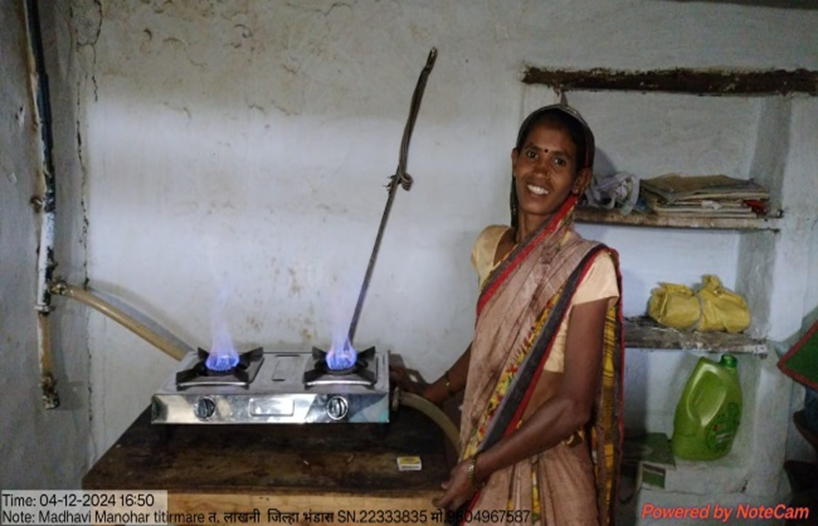
Health improvements were equally remarkable. Families experienced 90% fewer eye irritation cases, 80% fewer respiratory problems, 74% fewer headaches, and 63% fewer burn injuries. Nearly every household reported cleaner kitchens, healthier living conditions, and an improved quality of life.
The economic impact was equally transformative. Every household now saves an average of Rs. 71,388 annually through reduced expenditure on firewood, LPG, healthcare, chemical fertilizers, labour, and better utilization of time. These savings are being invested in nutritious food, children’s education, improved healthcare, agriculture, and household development.
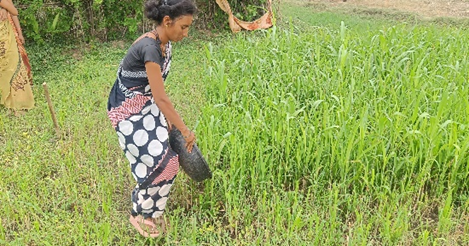
For farmers, the programme became much more than a clean cooking initiative. The organic slurry produced by the biogas units replaced costly chemical fertilizers, restoring soil fertility and improving moisture retention. As a result, 99% of farmers adopted slurry as an organic fertilizer, leading to higher productivity and lower cultivation costs. Paddy production increased by 24%, cotton by 28%, and pulses by 52%, while cultivation costs declined by 21–25%, significantly increasing farm profitability.
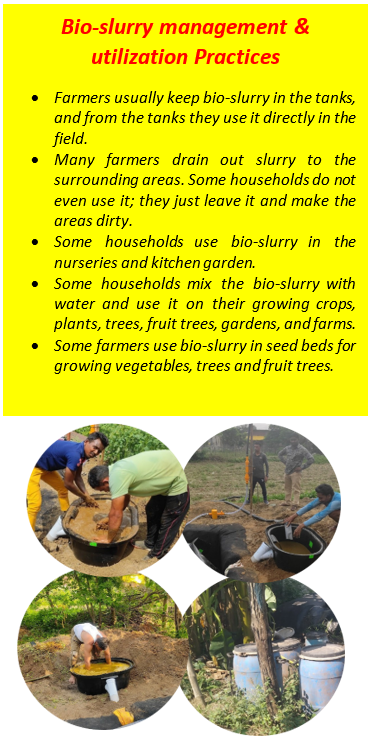
The environmental transformation has been equally inspiring. Reduced dependence on firewood has helped conserve forests, improve village sanitation, lower harmful emissions, and promote climate-resilient rural development. Communities now recognize biogas not only as a household technology but also as an effective climate action solution.
The programme has generated an estimated Rs. 39.99 crore in total social value, achieving an outstanding Social Return on Investment of 10.54:1—meaning every Rs. 1 invested created Rs. 10.54 of social, economic, and environmental value.
Today, the biogas programme stands as a powerful example of integrated rural development. By transforming waste into wealth, it has improved household incomes, empowered women, strengthened sustainable agriculture, protected the environment, and enhanced the dignity and well-being of thousands of rural families. It demonstrates how one innovative intervention can accelerate progress towards multiple Sustainable Development Goals while creating lasting, community-led change.
