
By Vishal Mattam
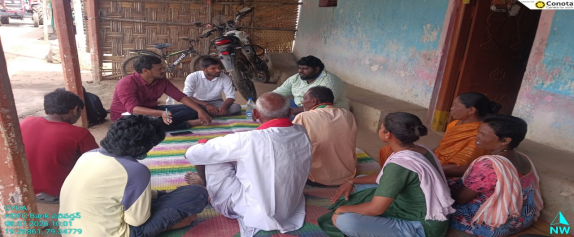
In 2023, the CYDA team travelled to the tribal district of Asifabad in Telangana to conduct a Rapid Rural Appraisal for HDFC Parivartan, which was planning a rural development initiative in the region. As I entered a village in Wankidi block, I was struck by its natural beauty—and by the quiet hardship beneath it. The land was rich, yet farming families remained caught in a cycle of uncertainty, limited opportunities and vulnerability. As a member of the needs-assessment team, my role appeared simple but carried responsibility: to listen without judgement, observe carefully and document the gaps truthfully.
The Baseline of struggle:
I still vividly remember my conversations with the village farmers, predominantly members of the Gond and Kolam tribal communities. Their livelihoods depended almost entirely on rain-fed agriculture, leaving every harvest at the mercy of increasingly erratic rainfall. The excessive use of chemical fertilisers had gradually weakened soil health, while rising cultivation costs and uncertain yields meant that most families were barely able to break even. During the dry months, farming activities came to a standstill and employment opportunities disappeared. With few alternatives available locally, many young people were compelled to migrate to towns and cities in search of daily-wage work.
Our assessment team documented four core areas:
- Crop diversification & Organic fertilizers: Moving away from monoculture to climate resilient millet farming, organic and natural farming.
- Soil & Water conservation: Restoring groundwater and reducing chemical fertiliser dependency.
- Water, Sanitation & Hygiene: WASH in communities & schools.
- Project Sustainability: Building institutions (Farmers group, women’s self-help group) to ensure sustainability after the project interventions.
2023 – 2026: The Seeds of Transformation.
Over the next three years, CYDA worked side by side with the villagers and also blended indigenous traditional knowledge with modern sustainable agriculture techniques.
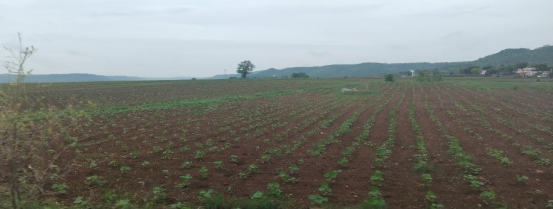
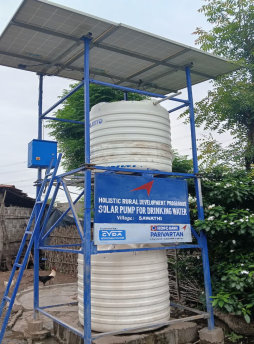
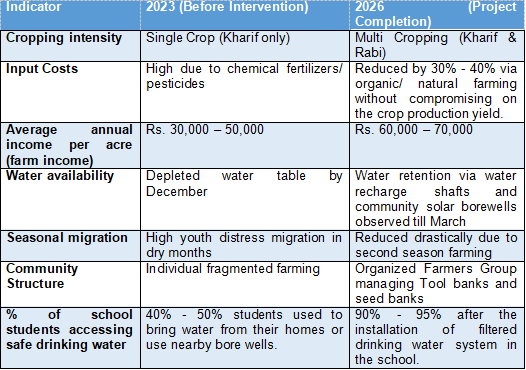
- Restoring the land: Watershed interventions like construction of water recharge shafts and solar bore well units. For the first time, monsoon rainwater was stored, recharging local bore wells and water bodies and enabling a second crop season.
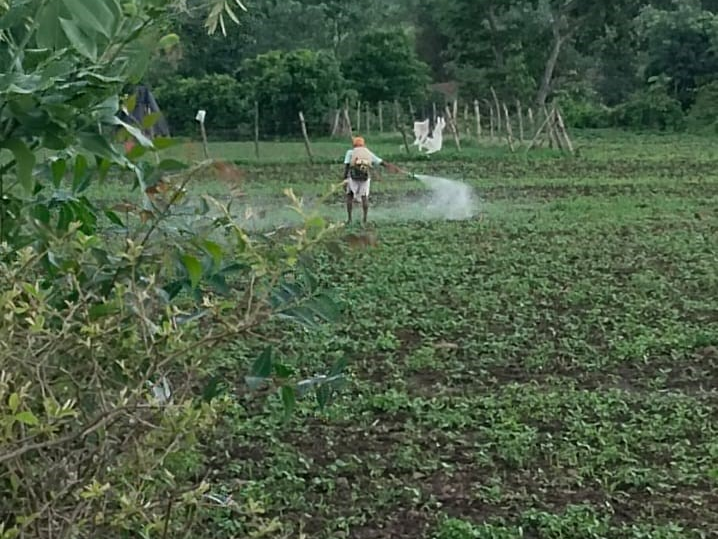
- Organic fertilizers/natural farming over chemical: Farmers were trained in preparing Jeevamrutham and neem oil, using locally available resources. Demonstration plots also proved that input cost can be reduced to 30% – 40% without compromising on the yield.
- Sanitation Renovation & Safe drinking water: Complete renovation of school toilet blocks, ensuring safe, private & functional facilities. Safe drinking water systems to protect students from waterborne illnesses.
- Kitchen Garden & Nutritional Security: Women–led backyard kitchen gardening were introduced, ensuring the families had year round access to fresh, pesticide free vegetables
2026: Returning to see Impact
Now, in 2026, returning to Asifabad after three years to witness the completion of the project was deeply emotional. The physical and social transformation was unmistakable. Fields that had once remained dry, cracked and empty were now alive with vibrant crops. Farmers were cultivating intercropped pulses, vegetables and indigenous millets, reflecting renewed confidence, resilience and hope across the entire community.
Key Outcomes Observed Before Vs After:
A Lasting Legacy:
Beyond the numbers & metrics, the real success of the HDFC Parivartan project lies in community dignity.
One elder farmer, whose land I surveyed back in 2023, smiled as he showed me his stored harvest of local millets and pulses. “We used to buy our food from the market with debt” he said. “Now our land feeds us, and we sell the surplus together.”
Behind every successful HDFC Parivartan intervention is a team of field heroes who made it happen. Deep gratitude goes to our project coordinators, field staff, and Community Resource Persons (CRPs), who travelled miles through rough terrain, built trust with the village elders, and worked shoulder to shoulder with the community every single day. Their patience, cultural sensitivity and unwavering commitment were the true engines behind every green field and transformed life in Asifabad.
As the formal project wrap-up completes, the HDFC Parivartan & CYDA steps back, not leaving a vacuum, but handing over the region to a self-sustaining ecosystem of empowered tribal farmers who now own their agricultural future.

This Post Has One Comment
A powerful story of transformation—capturing not just physical change, but the emotional journey that redefined a life.