By Milind Patil, Project Coordinator, CYDA
Pradhan Barku Pawara, a 22-year-old resident of Sablapani hamlet in Nagziri village, lives with a family of nine, comprising four women, two men, and three children. The family owns 3.5 acres of rainfed farmland, but due to low agricultural productivity, their annual household income is only around ₹30,000. To supplement their livelihood, family members migrate seasonally every year in search of daily wage employment.
Despite their hard work, the family faced another persistent challenge—poor health caused by unsafe drinking water. They collected drinking water from natural springs, borewells, and, during periods of water scarcity, even from nearby rivers. These untreated water sources frequently exposed the family to water-borne diseases. Almost every family member fell sick three to four times a year, resulting in repeated visits to government hospitals and, in severe cases, treatment at private hospitals. The family spent approximately ₹5,000–₹10,000 annually on medical expenses, placing an additional financial burden on their already limited income.
Recognizing the importance of access to safe drinking water, the Samruddha Kisan Project (Phase II), supported by ASK Foundation, provided the family with a Matikalp household water filtration unit. Along with the filter, the family received awareness on the importance of safe drinking water, hygiene practices, and regular use and maintenance of the filtration system.
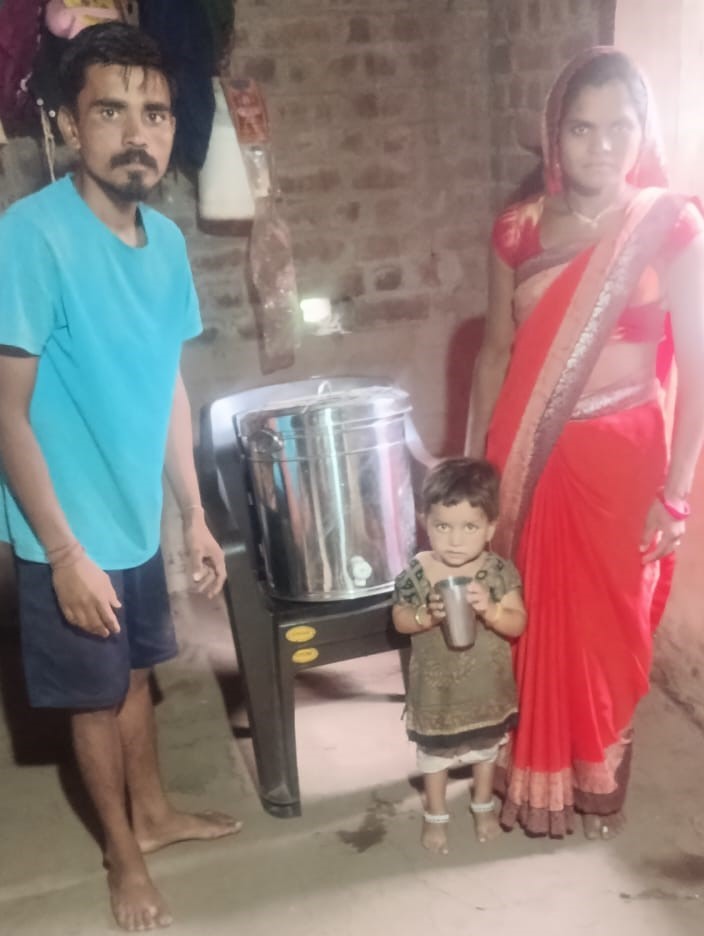
Since adopting the Matikalp filter, the family has been consuming clean and safe drinking water every day. The incidence of water-borne illnesses has reduced significantly, leading to fewer visits to hospitals and a noticeable decline in medical expenses. The savings from reduced healthcare costs have helped the family meet other household needs, while the improved health of all family members has increased their ability to work regularly and support their livelihood activities.
For Pradhan’s family, the impact of safe drinking water extends beyond better health. Children are able to attend school more regularly without frequent illness, while adults lose fewer working days due to sickness. The family now enjoys greater physical well-being, reduced financial stress, and an improved quality of life.
Today, the Matikalp water filter has become an essential part of the household, ensuring that every family member has access to safe drinking water throughout the year. This simple yet effective intervention has demonstrated how improving access to clean drinking water can reduce disease, lower healthcare costs, and strengthen the resilience of vulnerable rural families.
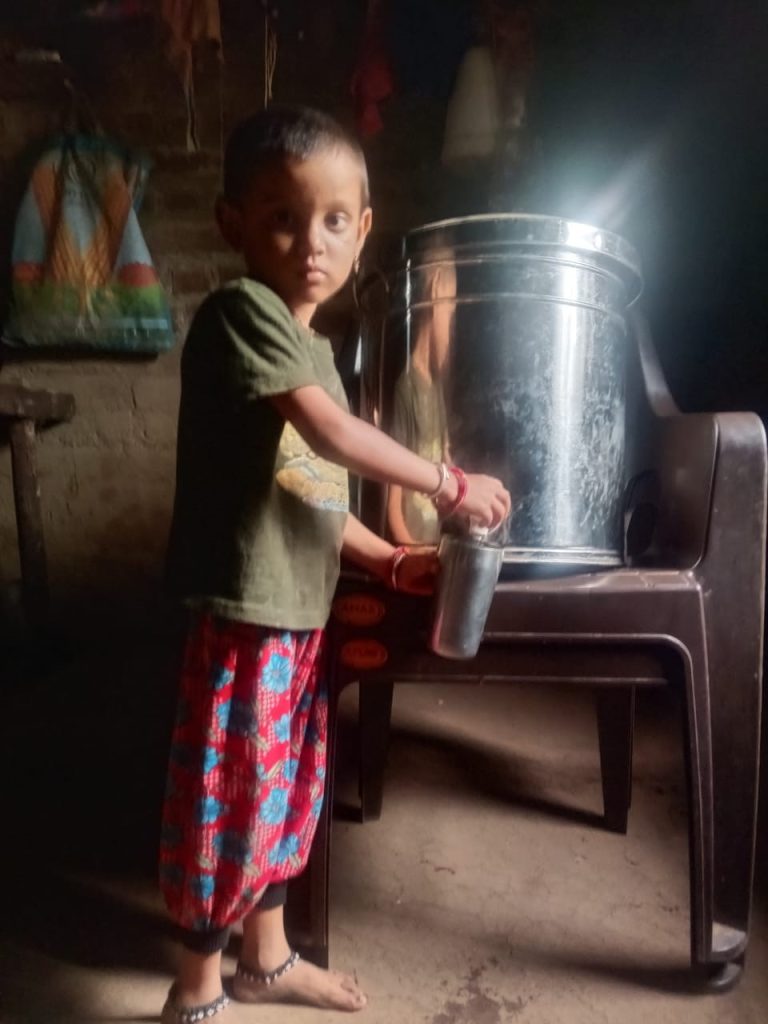
“Earlier, almost everyone in our family fell sick several times a year because we drank untreated water from springs, borewells, or the river. We spent a lot of money on treatment and often missed work. After receiving the Matikalp water filter, our family has been much healthier, hospital visits have reduced, and we are saving money. Clean drinking water has brought peace of mind and improved the health of our entire family.”
Pradhan Barku Pawara.
