By Pramodini Naik, Asst. Director, CYDA
For decades, many students in India have relied on memorizing answers without truly understanding concepts. While this helped them pass exams, it did not prepare them for real-life challenges. Today, education is shifting towards critical thinking and practical application—an approach central to NEP 2020.
A Class 7 student once said, “Didi, I can solve this maths problem, but I don’t understand why it works.” This reflects a long-standing gap—learning without comprehension. The National Education Policy (NEP) 2020 attempts to change exactly this.
The Evolution of Education Reforms in India
India’s education reforms have evolved with its aspirations. The Kothari Commission (1964–66) proposed equity, common schooling, and a structured system. The first NEP (1968) focused on national integration and access, followed by the 1986 policy (revised in 1992), which expanded universal education and teacher development. By the 21st century, classrooms still struggled with rote learning and unequal access. The Kasturirangan Committee (2017) reimagined education for a new era—one that values critical thinking, flexibility, and multidisciplinary learning. This vision culminated in NEP 2020.
NEP 2020 supports Sustainable Development Goal 4, ensuring inclusive and equitable quality education. It also strengthens the Right to Education by expanding the focus to early childhood care and foundational learning.
What NEP 2020 Aims to Transform
NEP 2020 moves beyond memorization toward understanding, skills, and holistic development. It emphasizes:
- Conceptual and skill-based learning
- Continuous, competency-based assessment
- Multidisciplinary education
- Learning in the mother tongue in the early years
- Digital literacy and technology integration
- Ethics, values, and life skills
The 5+3+3+4 Structure: Building Strong Foundations: The new structure aligns with children’s developmental stages:
- Foundational Stage (3–8 years I Pre-school to Class 2): Play-based learning and basic literacy
- Preparatory Stage (Classes 3–5 I Classes 3–5): Activity-based and interactive learning. strengthening reading, writing, and numeracy, and introducing subject-oriented learning in an engaging manner.
- Middle Stage (Classes 6–8 Classes 6–8): This stage moves from “what to think” to “how to think.” Students explore subjects in depth, engage in experiments, and begin vocational exposure.
- Secondary Stage (Classes 9–12): Flexible subjects, deep learning, and 21st-century skills
At this stage, NEP removes rigid subject streams, allowing flexible combinations. It emphasizes deep learning, reduced exam pressure through continuous assessment. Students gain exposure to entrepreneurship, vocational skills and problem-solving. Integration of AI and digital tools prepares them for 21st-century skills, while sports and physical education support holistic development, teamwork, and overall well-being.
From Policy to Practice: The CYDA Approach
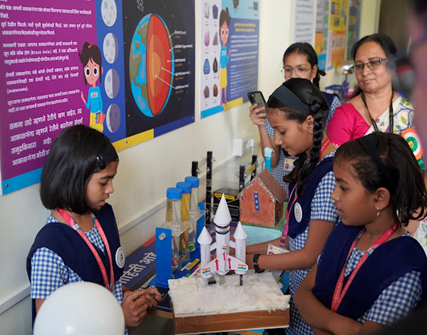
CYDA’s baseline assessments from the Better Learning Program in Dahanu’s tribal belt revealed that 67% of students were below basic level in English writing, particularly facing challenges in basic writing and vocabulary. On the other hand, CYDA-supported remedial sessions conducted through CRC students who struggled with foundational skills can help them catch up and actively participate in classroom learning. Among Class 5–7 students, those with low science understanding (15%) began presenting models after sessions. Students created STEM models increased significantly from 22.8% to 89.1%, highlighting the effectiveness of experiential and practical learning approaches. Through CRCs, STEM and the Better Learning Program, CYDA has reached over 25,000 students, improving foundational learning and participation, aligning with NEP 2020’s experiential, inquiry-based approach. It promotes life skills like communication and decision-making, strengthens teacher capacity with innovative methods, and engages communities to enhance parental involvement and create supportive learning environments beyond classrooms.
Stories of Change
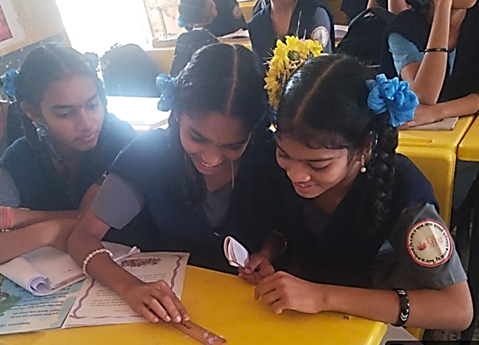
Vibhavi Chakale, a class 5 student, improved her academic performance from 40% to 70% after joining the CRC remedial sessions. This progress reflects the effectiveness of targeted support in strengthening foundational learning.
“My child, Aradhya Waghmare, a 5th-grade student, has shown improvement in both confidence and learning. Earlier, they struggled to understand basic concepts, but now they actively participate in class and even explain what they have learned at home. I can clearly see a positive change in their interest towards studies.”
— Ms. Jayshree Waghmare, Parent, Dapodi, Pune
Students in CRC remedial sessions often start shy and hesitant, but with regular support, they become more confident. Over time, their communication, problem-solving skills, and class participation improve, and many grow into responsible learners who support their peers.
— Ms. Ayesha, Remedial Teacher at CRC Jai Jawan Nagar
CYDA demonstrate how NEP can come alive on the ground:
- Regular engagement with parents to strengthen home-based learning
- Bridge courses and remedial education to build foundational skills
- STEM and digital programs to enhance 21st-century competencies
These efforts ensure that reforms reach the last child, not just remain policy statements.
The Roadblocks to Realising NEP 2020
While NEP 2020 presents a transformative vision, its implementation faces key challenges. Progress varies across states due to differences in resources and governance. Public investment in education remains below the recommended 6% of GDP, raising feasibility concerns. The digital divide limits access in rural and marginalized areas. Teacher preparedness is another gap, with many needing training in new methods. Infrastructure shortages, socio-economic inequalities, resistance to change, and concerns about centralization further complicate effective implementation.
Conclusion
NEP 2020 marks a shift from rote learning to meaningful, skill-based education. While its vision is strong, effective implementation and collaboration among stakeholders are key. Organizations like CYDA play a crucial role in translating this vision into action at the grassroots level. With sustained efforts, NEP 2020 has the potential to create confident, capable, and future-ready learners.
