
Mathew Mattam, Chairperson, YouthAid Entrepreneurs Federation of India( YEFi)
In an age when discussions on women’s empowerment dominate conferences, policy papers, and development agendas, there exists a remarkable institution in the northeastern state of Manipur that has been practicing women-led economic empowerment for more than 500 years. This extraordinary place is Ima Keithel, also known as Ema Keithel or the Mothers’ Market, located in the heart of Imphal.
Recognized as the world’s largest all-women-run marketplace, Ima Keithel is not merely a market—it is a living symbol of women’s leadership, entrepreneurship, resilience, and community strength. With over 5,000 women vendors managing every aspect of trade, the market offers a powerful lesson for women across India and beyond: economic independence and social influence can be built through collective effort, determination, and mutual support.
The story of Ima Keithel began in the 16th century during the reign of King Khagemba. At a time when many societies limited women’s participation in economic affairs, Manipuri women were actively involved in commerce and trade. Over the centuries, the market evolved into a thriving economic ecosystem where women became business owners, financial managers, decision-makers, and community leaders.
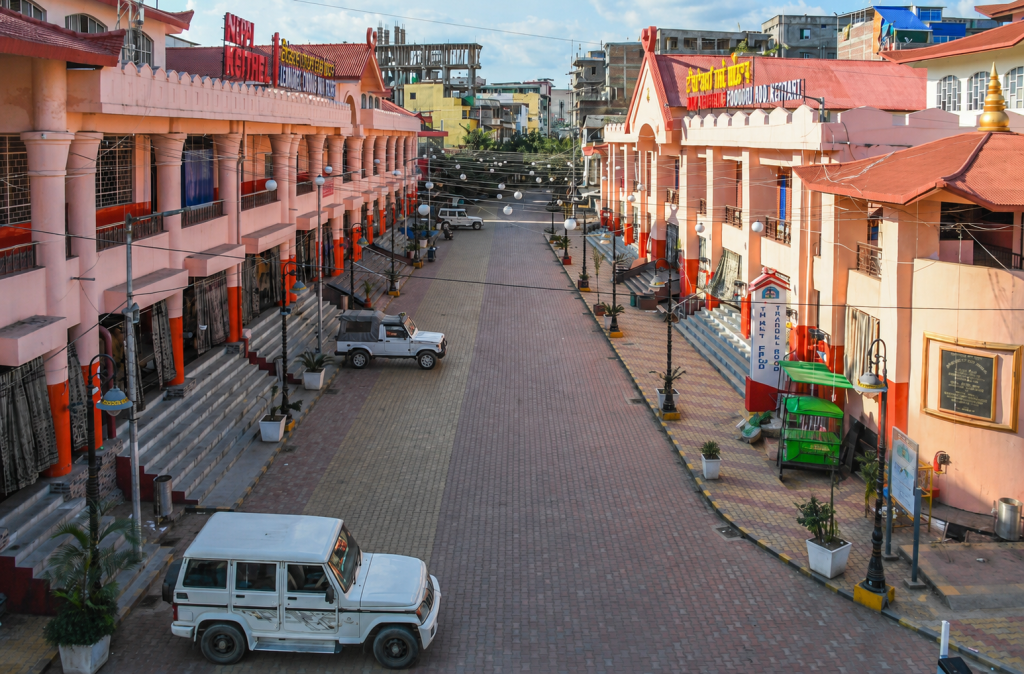
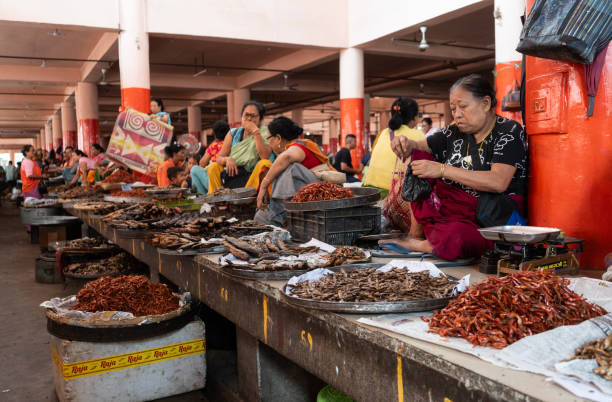
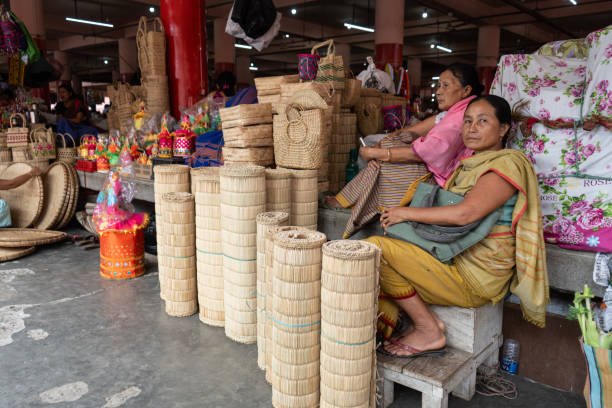
Walking through the market today is a truly inspiring experience. The atmosphere is vibrant and energetic. On one side, rows of women sell fresh vegetables, fruits, fish, spices, and household groceries. The freshness and quality of the produce reflect the dedication and hard work of the vendors. On the other side, visitors find beautifully woven handloom textiles, traditional Manipuri garments, pottery, wicker products, basketry, jewellery, and household tools crafted with exceptional skill.
What makes the market even more special is that many stalls are passed down from mother to daughter, preserving generations of entrepreneurial knowledge. Women manage procurement, pricing, customer relations, inventory, and finances independently. For many families, the income earned at Ima Keithel serves as the primary source of livelihood.
The significance of Ima Keithel extends far beyond commerce. Throughout history, the market has been a center of social change and civic engagement. The women of Manipur have repeatedly demonstrated courage and leadership during critical moments in the region’s history. They played a pivotal role in the historic Nupi Lan, or Women’s Wars, of 1904 and 1939, when they organized collective protests against injustice and colonial policies. Even today, women vendors continue to participate actively in community issues and social movements.
The market stands as proof that economic empowerment can lead to social empowerment. When women control resources and contribute directly to household income, they gain confidence, influence, and decision-making power. The women of Ima Keithel have shown that entrepreneurship is not merely about earning money; it is about creating dignity, independence, and opportunity.
There is much that women in other parts of India can learn from this remarkable model. Across the country, millions of women possess immense talent in agriculture, handicrafts, food processing, textiles, and traditional arts. Yet many struggle to access markets, capital, and business networks. Ima Keithel demonstrates the transformative power of women supporting women. By organizing collectively, sharing resources, and creating dedicated marketplaces, women can build sustainable enterprises that strengthen both families and communities.
The success of the Mothers’ Market also highlights the importance of preserving local knowledge and indigenous skills. Every handwoven textile, handmade basket, and traditional craft sold in the market carries the story of a community and its cultural heritage. Women entrepreneurs play a vital role not only in generating income but also in safeguarding traditions for future generations.
Recognizing the success of this model, similar women-led markets have been developed in several hill districts of Manipur. These markets provide opportunities for women from rural and remote areas to sell agricultural products and traditional crafts, helping them become financially self-reliant while contributing to local economic development.
For policymakers, development organizations, and community leaders, Ima Keithel offers a powerful blueprint for inclusive growth. Investing in women’s entrepreneurship, creating market access, supporting skill development, and strengthening women-led cooperatives can generate lasting social and economic benefits. When women prosper, entire communities prosper.
For young women and aspiring entrepreneurs across India, the message from Ima Keithel is clear: do not underestimate your ability to create change. The women who run this market did not wait for opportunities to come to them. They built institutions, sustained traditions, overcame challenges, and created one of the world’s most remarkable examples of female economic leadership.
Today, as visitors walk through the bustling lanes of Ima Keithel, they witness more than a marketplace. They witness a living testament to the strength, resilience, and entrepreneurial spirit of women. They see mothers, daughters, and grandmothers who have transformed commerce into a force for empowerment.
Ima Keithel is not just the pride of Manipur. It is an inspiration for India and the world—a shining reminder that when women lead, communities thrive, economies grow, and futures are transformed.
