
On the occasion of International Women’s Day, women demand equal pay for equal work and a minimum wage to ensure a dignified life. Soumyashree Mohanty reports for ImpactLens.

Many studies reveal that women and marginalised groups, including members of the LGBTQIA+ community, do not receive equal pay for equal work. This disparity is evident across various levels of society, from grassroots workplaces to corporate boardrooms. Notably, patterns of wage discrimination persist in multiple sectors and among diverse social groups. In many instances, individuals are assessed not on their skills or performance but on their gender. However, as dialogue on equality and rights intensifies, changing these narratives and proactively addressing wage discrimination has become imperative.
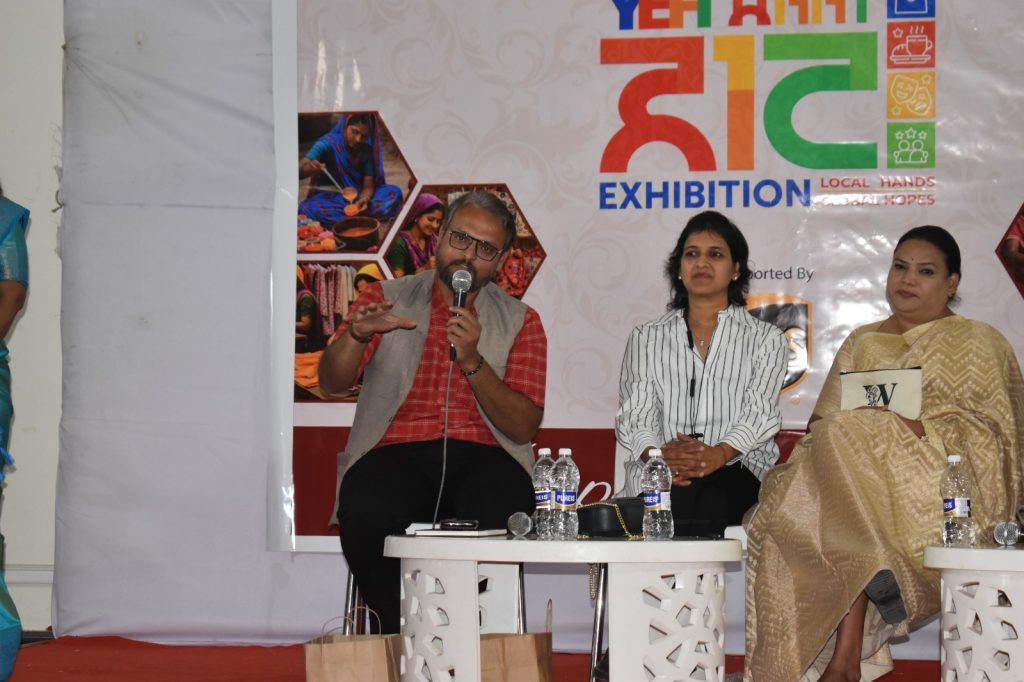
To reflect on this critical issue, a panel discussion titled “Equal Pay for Equal Work: Why Is It Still a Challenge?” was organised on the eve of International Women’s Day. The discussion brought together experts from diverse fields to share their perspectives on wage inequality and the challenges that women continue to face in the workplace.
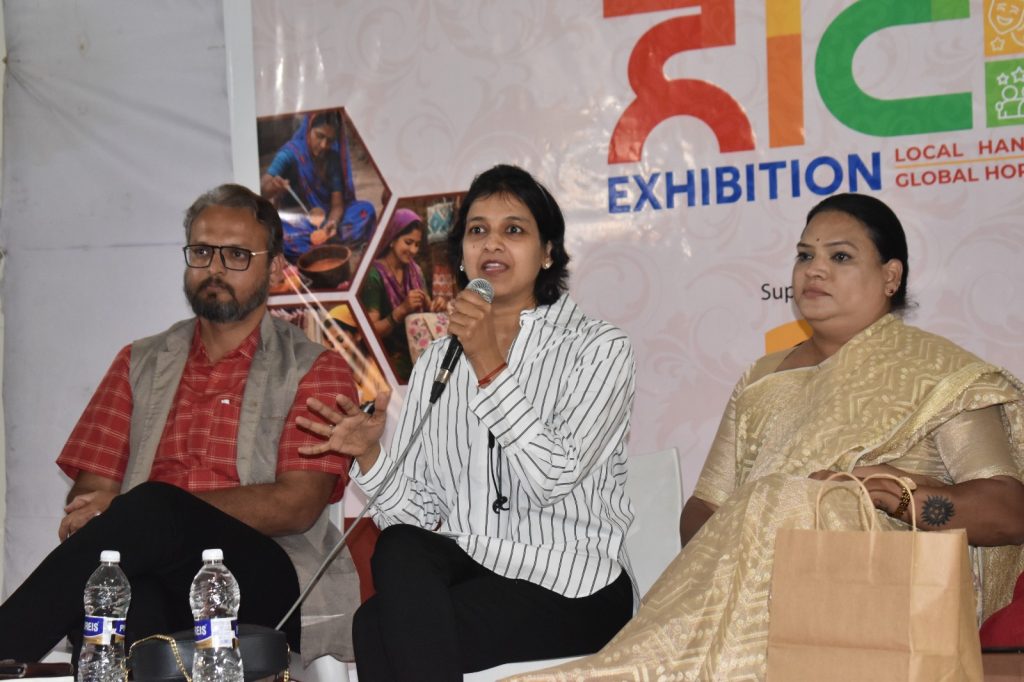
The panel featured Adv. Ms Khushboo Kejariwal, Ms Medha Thatte from Shramik Mahila Sanghatana, Dr Kuldeepsingh Rajput, labour and development practitioner and founder of RUBAL Foundation, Ms Prerana Waghela from Infosys, and Adv. Ms Ujwala M. Jadhav. The speakers shared insights on the persistence of wage inequality, the role of legal frameworks, and the need for greater awareness, advocacy, and collective efforts to advance the principle of equal pay for equal work.
Equal Pay and Constitutional Guarantees
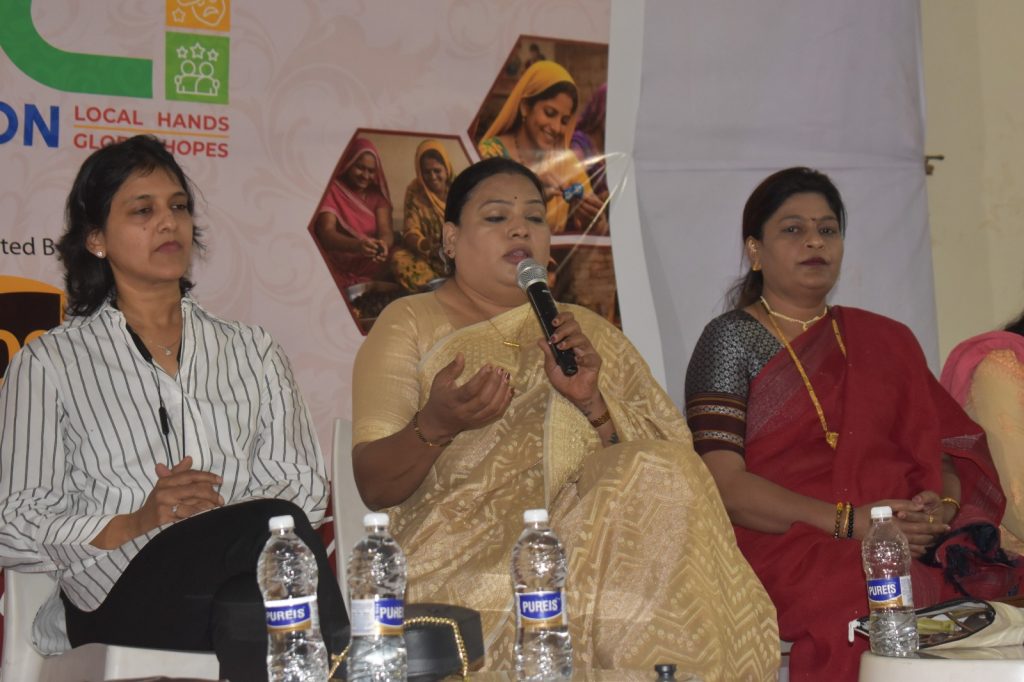
The discussion emphasised that the Constitution of India guarantees equality and protects against discrimination through Articles 14, 15, and 16. Labour laws support fair wages and equal treatment. However, the panel stressed that proper implementation and awareness of these provisions are essential so people can claim their rights.
Implementing the Principle of Equal Pay for Equal Work
Many laws and policies have been developed to ensure equality and protect workers’ rights. However, these policies are often not implemented effectively in the workplace. Organisations and institutions must take responsibility for applying these provisions in practice. Ensuring equal wages for the same work and creating fair workplace systems are essential steps towards achieving the principle of equal pay for equal work.
Wage Inequality and Gender Discrimination
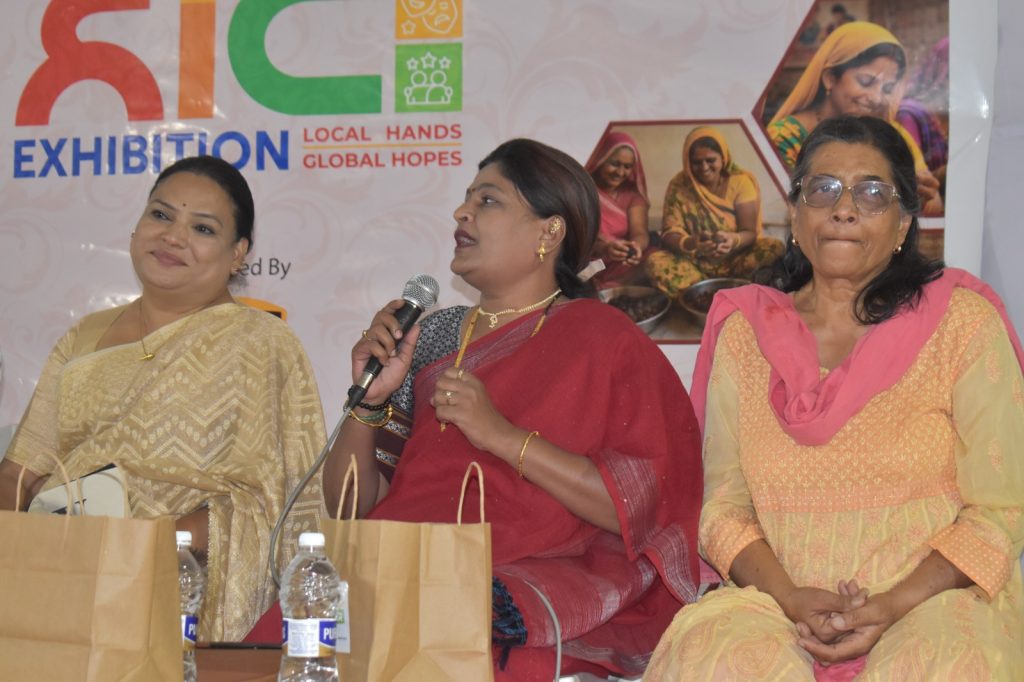
The discussion highlighted the continuing wage gap between men and women for the same work. Despite equal pay being established in law, women still receive lower wages in many sectors. The panel stressed that wages should be set by work, skills, and performance, not gender. Fair compensation is essential for workplace equality and dignity for all.
Patriarchal Mindset and Structural Barriers
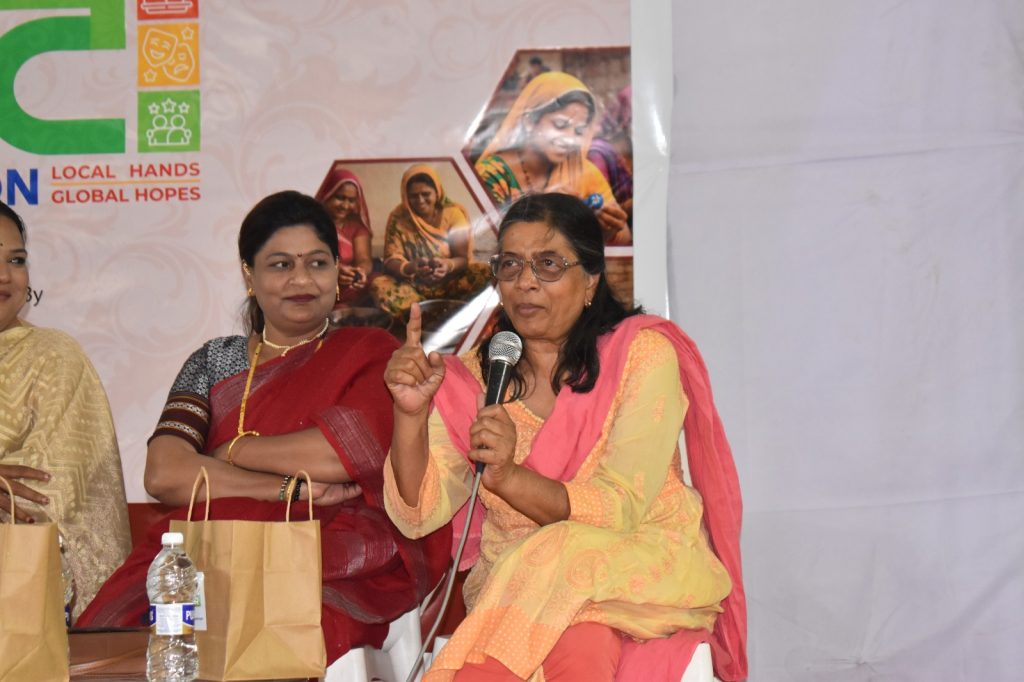
The speakers noted that patriarchal attitudes continue to shape wage structures and workplace practices, giving men greater importance, opportunities, and wages than women. These views are instilled early, as children are socialised into gender roles, and women often learn to accept inequality as normal, discouraging them from challenging unfair treatment. As a result, many feel unable to speak out against injustice. Addressing this requires sustained gender sensitisation, awareness, and long-term social change to create a culture that values equality in work and wages.
Legal Awareness and Claiming Wage Rights
Another important issue raised during the discussion was the lack of awareness among women of their legal rights regarding wages and employment. While laws and constitutional provisions exist to protect women, many remain unaware of these safeguards and therefore cannot access them. The discussion emphasised that laws do not automatically reach people. Women need to understand these provisions and actively use legal mechanisms when they face wage or employment discrimination.
Wage Inequality in the Unorganised Sector
The realities faced by women workers in the unorganised sector, particularly domestic workers, were also highlighted. Many of these workers face low wages, a lack of social security, and limited recognition of their labour. Despite their significant contributions to households and the economy, their work often remains undervalued.
The discussion emphasised that domestic work must be recognised as dignified labour. Women should receive fair wages, safe working conditions, and inclusion in labour protections. Strengthening social security for these workers is essential.
The issue of hidden labour was also discussed. In many cases, entire families contribute to work, including children, even though child labour is prohibited. At the same time, women are often paid less than men for similar work, not because of differences in skills, but due to gender discrimination.
Collective Action for Wage Justice
The panel asserted that legal provisions alone will not secure wage equality unless people actively assert their rights. Women, LGBTQIA+ Community, marginalised workers must raise their voices and organise collectively. Collective action and sustained advocacy are critical to challenge wage discrimination, demand equal pay, and improve working conditions.
Building Inclusive and Fair Workplaces
The discussion highlighted the importance of evaluating individuals based on their skills and performance, not gender or identity. Organisations should foster environments where all can contribute without discrimination.
Strengthening Skills and Economic Opportunities
The need for continuous skill development was also emphasised. Upskilling and access to training can help workers improve their employment opportunities and strengthen their participation in the workforce. Supporting skill development initiatives can help build a more equitable and inclusive labour market.
Achieving equal pay for equal work requires greater legal awareness, effective policy implementation, gender sensitisation, and collective action. The discussion highlights the need to recognise all forms of labour and create inclusive workplaces, while sustained advocacy and a collective voice remain essential to challenge wage discrimination and realise equal pay in practice.
