At a time when India’s start-up ecosystem is steadily expanding beyond metropolitan cities, the 9th Young Entrepreneurs Summit (YESummit 2026) was inaugurated at the National Institute for Micro, Small and Medium Enterprises in Hyderabad, placing grassroots innovators and first-generation entrepreneurs at the centre of the national entrepreneurship dialogue. The summit is organised by the YouthAid Foundation in collaboration with the Telangana Innovation Cell.
Bringing together policymakers, development professionals, industry representatives, and emerging entrepreneurs from across the country, the summit focused on strengthening conversations on inclusive entrepreneurship and integrating rural, tribal, and marginalised communities into mainstream economic progress.
Strengthening Inclusive Innovation Ecosystems
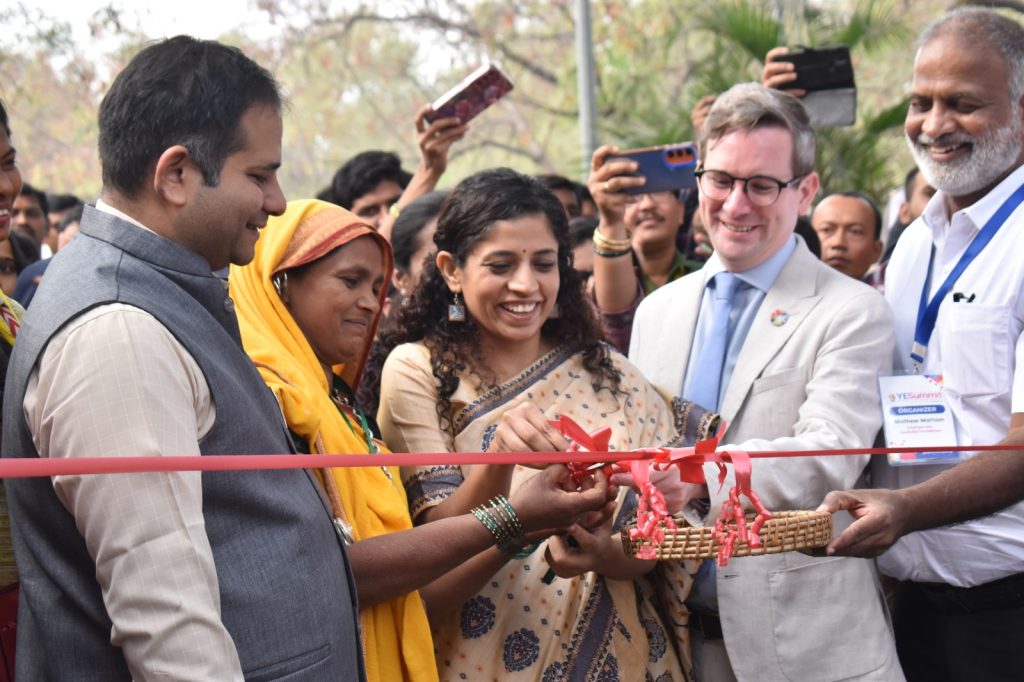
The event began with the inauguration of a national-level exhibition showcasing grassroots enterprises working across livelihood development, social innovation, creative industries, and sustainable technology sectors. While inaugurating the exhibition, Dr. Mittali Sethi, District Collector of Nandurbar, appreciated the diversity and quality of grassroots products on display. She shared that she came across products from Bengal and Uttarakhand, including lip balms and beautiful paintings, and reflected on how such meaningful products often remain unnoticed. She further questioned why digital advertisements frequently promote products that consumers may not need while overlooking valuable grassroots innovations, highlighting the growing monopoly in the advertisement market.
In the welcome address, Mr Meraj Faheem, Telangana Innovation Cell Chief Executive Officer, emphasized the government’s efforts to expand innovation support beyond urban centres and stressed that inclusive innovation requires collaboration among government, industry, and civil society. He also called for a collective effort to support grassroots innovators and help them achieve national recognition, such as the Padma Shri awards. A Memorandum of Understanding (MoU) was signed between YouthAid Foundation and TGIC, reaffirming commitments to strengthen entrepreneurial ecosystems and drive collaborative development initiatives
YouthAid Foundation Chairperson Mathew Mattam highlighted structural challenges often faced by grassroots entrepreneurs, including limited access to financial services, mentorship opportunities, and market networks. During his address, he mentioned that over the last nine years, each host city has added a new chapter to the YES Summit’s journey, while its core spirit has remained unchanged – to identify, nurture, and celebrate grassroots entrepreneurs. The ambition is bold, but necessary. In the next five years, the aim is to identify and support 10,000 grassroots entrepreneurs reaching an annual turnover of ₹1 crore. Together, this will create 10,000 grassroots economies and generate 100,000 new jobs.
The inaugural session brought together voices from industry, academia, and global entrepreneurship networks. Dr Shreekant Sharma, Director of the School of Entrepreneurship and Extension at ni-msme, noted that entrepreneurs are not born; they are shaped through continuous learning, skill development, perseverance, and a strong vision. Their journey is built on overcoming challenges, adapting to change, and transforming ideas into meaningful impact.
From an international perspective, Professor M. S. M. Aslam of Sri Lanka noted that entrepreneurship is not just about selling products; it is about solving problems with passion and purpose. Creativity gives birth to ideas, quality builds trust, and consistency ensures long-term success. Mr Matt Smith from the Global Entrepreneurship Network highlighted the growing global relevance of grassroots innovation in advancing sustainable development. The ceremony was also attended by Mr. Vinayak Kadaskar, Head – HR & IR, CIE Automotive (India) Ltd.; Ms. Rojalin Pattnaik, CSR Lead, ACG Cares Foundation; Mr. Joji Abraham, Regional Head – South, SBI Funds Management Ltd.; Mr. Sahil Suman, Lead – Communications, Telangana Innovation Cell; Mr. M. N. Sanyal, CEO, YouthAid Foundation; and Ms. Priya Kothari, Board Member, YouthAid Foundation.
Celebrating LGBTQIA Entrepreneurial Journeys
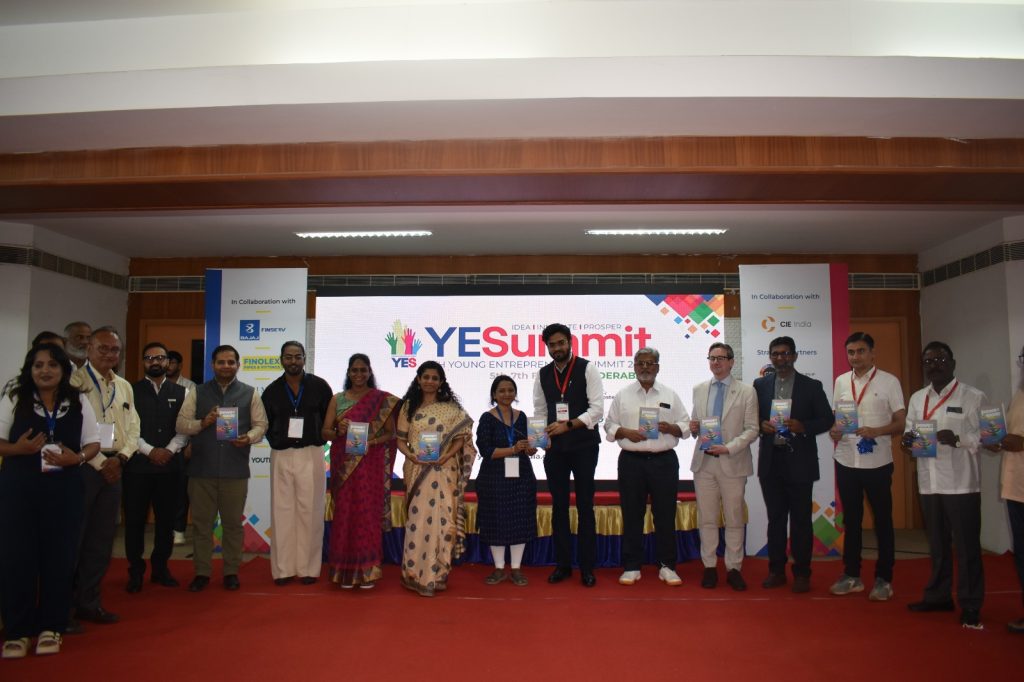
A major highlight of the evening was the release of the book The Power of 10,000, which celebrates the resilience, courage and entrepreneurial journeys of members of the LGBTQIA community. The publication presents inspiring stories of individuals who established enterprises despite social stigma, discrimination and limited access to opportunities.
The book captures the life journeys of thirty entrepreneurs from diverse socioeconomic and cultural backgrounds. It highlights not only their business achievements but also their contribution to promoting dignity, inclusion and social acceptance through enterprise. All entrepreneurs featured in the publication were mentored by the YouthAid Foundation with support from corporate social responsibility partners.
Recognition of Excellence in Inclusive Entrepreneurship
The summit also honoured outstanding entrepreneurs across diverse categories, reflecting its strong commitment to inclusive recognition. Ms Maya Sumesh was honoured as Best LGBTQIA Entrepreneur, while Mr Bapu Narute received the Best Entrepreneur award. Ms Vaishnavi Vedpathak was recognised as Best Entrepreneur under twenty-five years of age, and Ms Pallavi Balankhe was conferred the Best Woman Entrepreneur award. The awards celebrated perseverance, innovation and leadership among entrepreneurs from diverse social backgrounds.
Grassroots Fashion and Social Expression
The event showcased the inspiring journey of 10Stitch Studio, an enterprise established during the pandemic by ten grassroots women entrepreneurs. Over time, the studio has gained recognition in the fashion industry for producing sustainable, recycled garments while promoting inclusive clothing for members of the LGBTQIA community.
The collection presented during the summit celebrated empowerment through fashion. Each ensemble reflected strength, individuality and versatility through styles such as sarees, Indo western attire, western wear, frocks, upcycled denim, sharara and gharara sets and layered shrugs. The collection portrayed colours, confidence, and freedom of expression while promoting sustainability through recycled clothing.
The summit also hosted a fashion showcase presented by grassroots entrepreneurs, highlighting India’s cultural diversity and traditional craftsmanship. One segment highlighted the cultural heritage of the Nandurbar district in Maharashtra, which is predominantly inhabited by tribal communities, including the Bhil, Pawra, Mawchi, Konkani, Valvi, Tadvi, and Dhanka.
Another segment presented Nizami Hyderabadi aesthetics, in which members of the LGBTQIA community showcased traditional silhouettes, including Anarkalis, shararas, ghararas, long kurtis, and kada dupattas, blended with contemporary styling. The showcase also featured zari craftsmanship from Bhopal, displaying intricate embroidery on sarees, lehengas and kurtis. The presentation concluded with the theme “Culture of India,” where women entrepreneurs showcased Navari sarees, Gujarati drapes, and hand-painted fabric sarees, celebrating India’s textile heritage.
Exhibition Reflects Diversity of Grassroots Innovation
The exhibition conducted alongside the summit emerged as a vibrant platform promoting inclusive economic growth. It featured sixty-four entrepreneurs from twenty-nine cities in seventeen states, highlighting the expanding participation of entrepreneurs in urban, semi-urban, and rural India.
Women entrepreneurs formed more than half of the exhibitors, reflecting their growing contribution to enterprise development and livelihood generation. Members of the LGBTQIA community also participated, showcasing their products and innovations.
The stalls displayed handloom and handicrafts, traditional art forms, organic food products, personal care products, apparel and agriculture-based products. Entrepreneurs from states including West Bengal, Madhya Pradesh, Karnataka, Uttarakhand, Telangana and Maharashtra presented region-specific products rooted in local culture, traditional knowledge and sustainable practices. Self-help groups, farmer-producer companies and community collectives promoted several enterprises.
Women-Led Enterprises Highlight Culinary Innovation
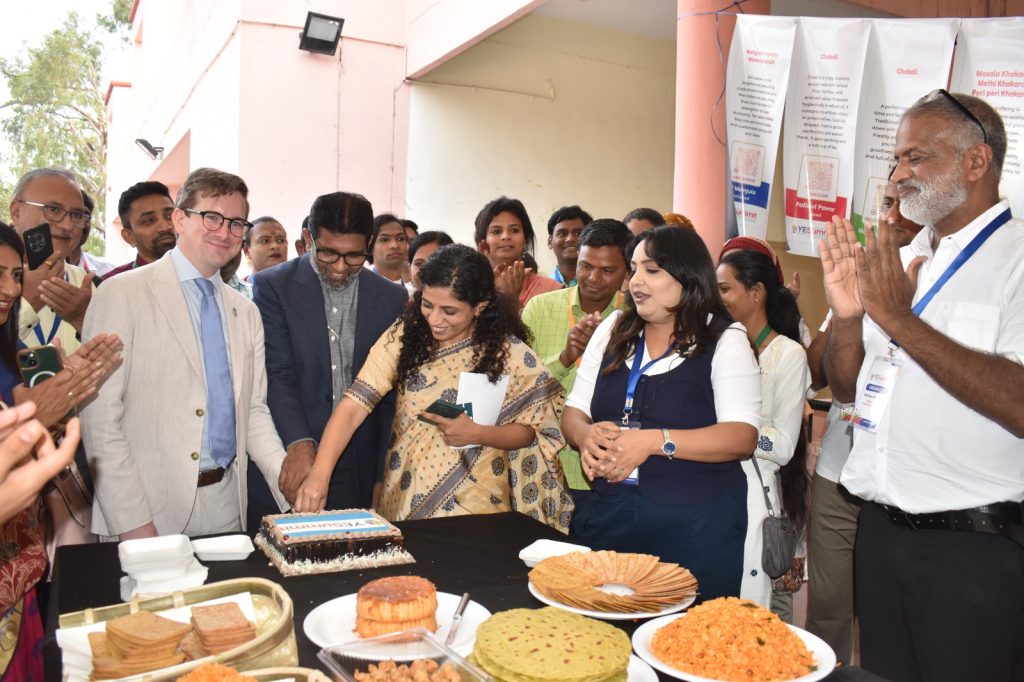
A major attraction of the summit was a high tea display featuring food products prepared by grassroots entrepreneurs from across the country. Thirty-two entrepreneurs participated, representing regions including Buldhana, Kolhapur, Yavatmal, Beed, Satara, Nandurbar, Mumbai, Dharashiv, Nashik, Pune, Chhattisgarh, Hyderabad, Adilabad, Chh. Sambhaji Nagar and Sangli.
The display featured traditional and nutritious food products, including Moha ladoo made from natural mahua flowers, handmade wheat biscuits, millet-based snacks such as bajra and oats preparations, mushroom chocolate, mushroom ragi laddus, moringa laddus, and traditional baked products such as mava cake. The products reflected efforts to promote natural ingredients, revive traditional recipes and introduce healthier food alternatives.
Women entrepreneurs played a significant role in conceptualising, preparing, and presenting these food products, demonstrating their growing participation in micro-enterprise development and rural livelihood generation. The segment also created opportunities for participants to interact directly with entrepreneurs and to learn about their production processes and business journeys.
Driving Inclusive Economic Growth
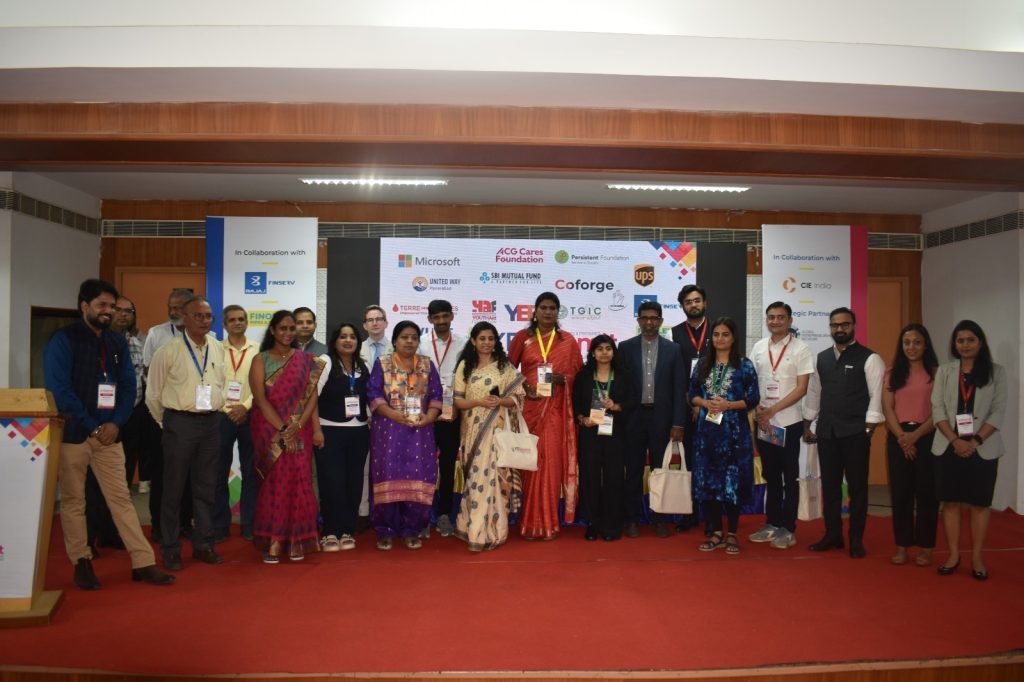
YESummit 2026 continues to strengthen its position as a national platform that promotes grassroots innovation, inclusive entrepreneurship, and community-based enterprise development. By connecting innovators with mentors, policymakers and investors, the summit aims to create opportunities for emerging entrepreneurs to expand their ventures while contributing to India’s economic and social progress.
