
Access to safe drinking water is one of the most basic yet most unevenly distributed necessities in rural and tribal India. In remote villages, water scarcity is not just an infrastructure gap—it shapes health outcomes, gender roles, childhood nutrition, and everyday dignity. When clean water is absent, women carry the burden, children face heightened health risks, and public care spaces like Anganwadi Centres struggle to function.
Drawing from an intervention in Dhaba Village of Telangana’s Asifabad district, Sairupa Dola examines how a renewable energy–based, community-led water solution transformed daily life in a tribal settlement. The article highlights how partnerships between corporate social responsibility initiatives and civil society organisations can address long-standing structural gaps, ensuring sustainable access to clean water while strengthening health, hygiene, and community well-being.
Dhaba Village, located in the Asifabad district of Telangana, is a remote tribal settlement surrounded by forests and uneven terrain. For years, the village lived with a daily struggle that shaped every part of life—the lack of clean drinking water. There was no reliable source within the village. Water scarcity was not seasonal. It was constant. Each morning, women stepped out of their homes carrying empty pots. They walked long distances to collect water, often under the harsh sun. Children grew up watching this struggle. Many faced health issues linked to unsafe water and poor hygiene. Cleanliness at home depended on how much water a family could bring back in a day.
The Anganwadi Centre, which supports 18 young children, faced its own challenges. With no regular water supply, maintaining hygiene was difficult. Cooking nutritious meals, cleaning utensils, and ensuring a safe environment for children became daily hurdles. The absence of water directly affected the quality of care provided to the youngest members of the community.
Why Water Changes Everything
Access to clean and safe drinking water goes far beyond convenience. It determines health, dignity, and opportunity. When water is unsafe or unavailable, communities become vulnerable to diseases such as diarrhoea, cholera, typhoid, and hepatitis. Children and the elderly are the first to suffer.
In villages like Dhaba, water scarcity deepens existing inequalities. Women carry the heaviest burden. Children lose out on safe early care. Without water, development cannot begin. This is why safe drinking water must be seen as a fundamental human right and a foundation for improving life in rural and tribal areas.
The Intervention: Bringing Water Home

To respond to this long-standing need, HDFC Bank (Parivartan) partnered with CYDA to install a solar-powered drinking water system in Dhaba Village. The goal was simple yet transformative—to ensure a reliable and sustainable supply of clean water using renewable energy.
The system included solar panels, a solar-powered water pump, and a pipeline network that brought water directly to households and the Anganwadi Centre. For the first time, clean drinking water became accessible within the village. Before installation, CYDA conducted a detailed field survey. The team studied the village’s water needs and assessed the availability of sunlight for solar power. Community members were consulted at every stage to ensure the system matched local realities.
From Planning to Installation
The intervention followed a transparent and participatory process:
- Suitable locations were identified for installing solar panels and the water pump.
- The pipeline layout was planned with inputs from villagers, ensuring fair access.
- Community members were involved during installation, building trust and ownership.
- Solar panels, the pump, and pipelines were installed and tested for regular use.
The system was completed in March, just before the summer months. The timing was crucial. As temperatures rose, Dhaba Village entered summer with water security instead of uncertainty.
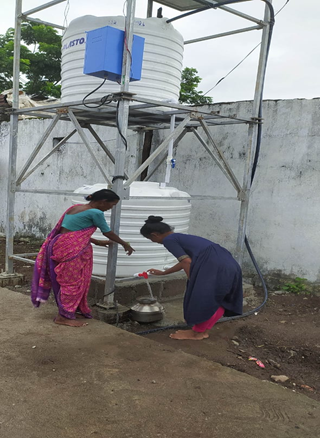
After the intervention, 55 households and the Anganwadi centre received access to clean drinking water. Water is now available close to home, which has reduced the daily burden on women. Hygiene practices have improved at both the household and community levels. The Anganwadi Centre now has continuous access to water, creating a safer and healthier environment for children.
The intervention also increased community awareness about renewable energy and its benefits. Villagers learned about water conservation practices and the importance of using resources responsibly. These changes have contributed to improved well-being and long-term sustainability within the community. The solar-powered drinking water system has brought a significant positive change in Dhaba Village. Everyday struggles have now become a reliable, easy, and sustainable service. Women have more time for their families, children are healthier, and the entire village benefits from a clean and renewable water source
