
Written by – Arvind Mer, Project Coordinator
Supported by CIE India
A report in The Hindu (August 31, 2025) stated that cities such as Delhi, Ghaziabad, and Kanpur are known for severe air pollution. However, the problem is not limited to these cities. Almost everyone in India breathes air that is dirtier than the safe limits set by the World Health Organisation. Air pollution is now the most significant external threat to human life. It reduces life expectancy and affects India’s GDP. Its impact on health is higher than tobacco use or high blood pressure.
One effective way to address rising pollution and heat is by planting more trees and increasing public awareness. The Shapar–Veraval region in Rajkot faces serious environmental challenges, including high temperatures, poor air quality, and very limited green cover. To improve the local ecosystem for nearly 80,000 residents, the Harit Gram Project initiated a Miyawaki Dense Plantation near Shapar Village in September 2024. Through this effort, CYDA and CIE India introduced the Miyawaki method, which creates forests that grow 10 times faster and 30 times denser than traditional plantations. Using only native species, the approach supports biodiversity and becomes self-sustaining within three years. A total of 3,200 plants from 45 native species were successfully planted to help restore the environment.
Miyawaki plantations are essential because they help grow dense and healthy forests in a very short time. These forests use only native plant species, which support local biodiversity and improve the area’s natural balance. Miyawaki forests grow faster, become self-sustaining within a few years, and help cool the surroundings. They also reduce air pollution, improve soil quality, attract birds and butterflies and make communities greener and healthier. In places where land is degraded or where pollution and rising temperatures are significant concerns, the Miyawaki method is an effective solution for restoring the environment quickly and sustainably. youngy.lizzy nud
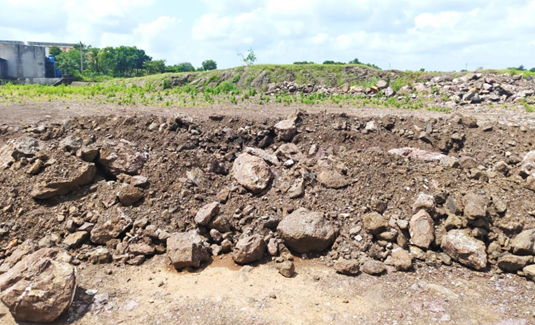
Before Miyawaki
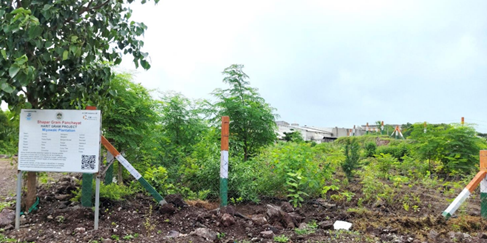
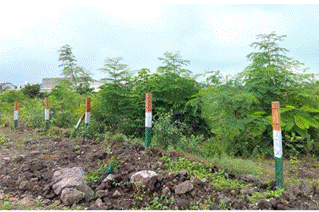
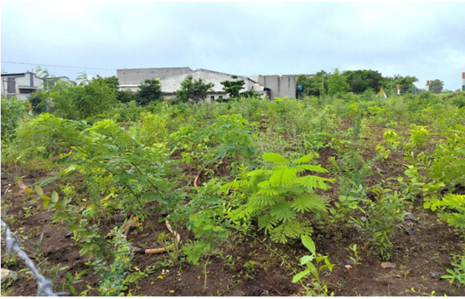
These plants, which now range from 4 to 12 feet in height, have been organized into multiple forest-style layers to promote a diverse and balanced ecosystem. The Block Development Officer, Mamlatdar, block officials, Gram Panchayat members, community youth volunteers and local NGOs participated in planting the saplings. This joint effort created strong ownership among the community and strengthened the project’s long-term sustainability.
To ensure steady growth, a watering system and maintenance plan were prepared. The youth from the community have been trained to monitor the plants’ growth. After three years, once the forest becomes self-sustaining, local NGOs will take over responsibility for its care. This initiative directly addresses key ecological problems faced by Shapar–Veraval—lack of vegetation, poor soil quality, heat stress, air pollution, and limited biodiversity.
The plantation of 3,200 trees is expected to generate multiple environmental benefits across the community. Air quality will improve significantly as the trees release more oxygen, reduce CO₂ levels, and trap dust particles. The increased green cover will help lower the surrounding temperature by approximately 2–5°C, creating a cooler and more comfortable microclimate. Soil health is also expected to improve through enhanced microbial activity and better nutrient availability. As the trees mature, they will create habitats for birds, insects, and pollinators, thereby enriching local biodiversity. In terms of carbon sequestration, 3,200 mature trees are estimated to absorb 64–80 tonnes of CO₂ each year, contributing directly to climate mitigation. Additionally, the enhanced green spaces will improve overall community well-being by adding aesthetic value, providing recreational spaces, and strengthening connections between people and nature.
Voices from the ground…..
“This forest will bring shade and fresh air for our children and future generations.”
- Local Mother
“Earlier, this land was barren. Now we see hope and greenery.”
- Shop owner near the site
“We water these saplings every day. They belong to us.”
- Youth volunteer
Reference:
The Hindu. (2025, August 31). Why India struggles to clear its air. The Hindu. https://www.thehindu.com/sci-tech/energy-and-environment/why-india-struggles-to-clear-its-air/article70321348.ece
