
By Ganesh Waghmode, Agriculture Expert
In rural areas, livestock are more than animals — they are a lifeline. For many families in Diksal village of Sangola block, cows and buffaloes provide daily income through milk and support farm work. Women play a major role in feeding, milking and caring for animals making livestock central to household stability. Yet, recurring disease outbreaks, especially Foot and Mouth Disease (FMD), have been threatening both animal health and farmers’ livelihoods.
Seasonal animal diseases and their impact on farmers
Farmers in Diksal village often face disease problems during certain seasons, especially when the weather changes. These problems make their animals sick, reducing milk production and causing financial losses. Animals showed mouth ulcers, fever, limping and reduced appetite. During sickness, milk production dropped by 2–4 litres per animal, directly affecting daily income. Farmers spent Rs.1500/- to Rs.2500/- per case on private treatment, which was difficult for many families to afford. Tick infestation also caused weakness and poor productivity. Lack of awareness about vaccination schedules and limited access to veterinary services made the situation worse. Many farmers felt helpless watching their animals suffer, knowing their income was at risk.
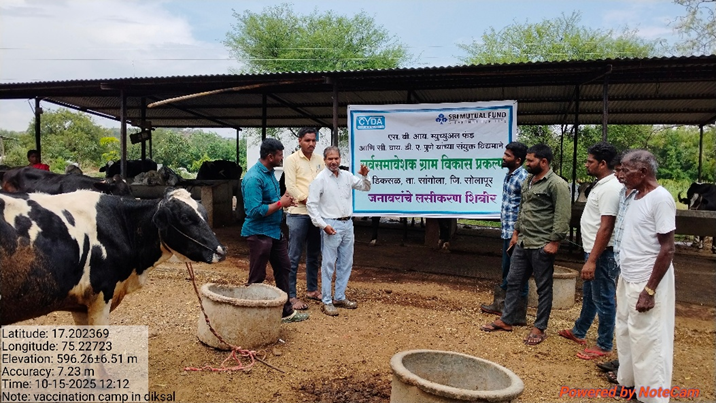
To address these challenges, CYDA and SBI Mutual Fund jointly organized a Foot and Mouth Disease Vaccination and Animal Health Camp in Diksal village under the Comprehensive Village Development Programme. The camp was conducted with the support of the Government Veterinary Department and Livestock Development Officer Dr. Baban Narwade. Prior to the camp, the veterinary team assessed the livestock population and disease risks. During the camp, vaccinations, deworming, tick-control medicines, and awareness sessions were provided. According to the data provided by the Government Veterinary Department, there are a total of 331 animal keepers, including those rearing poultry, goats, sheep, and dairy animals (cattle and buffalo). Among them, approximately 200-250 are livestock-holding farmers.
Vaccination camp coverage and farmer support
After the assessment the camp was organised. During the camp, a total of 1,528 animals were covered, including 1,181 cows and 347 buffaloes. Around 200 to 250 animal keepers were identified and reached through the initiative. Along with vaccination support, farmers were also guided on important aspects of animal care such as maintaining shed hygiene, identifying disease symptoms, following vaccination schedules, and adopting preventive healthcare practices to ensure the well being and productivity of their livestock.
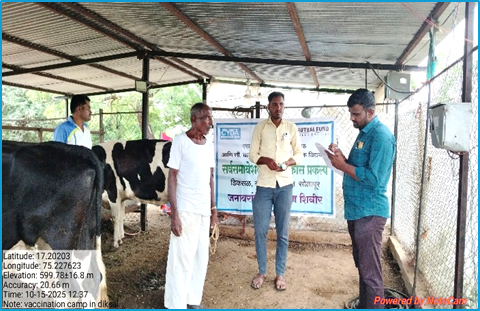
The intervention results were observed within 1–3 months after the vaccination camp, with immediate improvements in animal health seen within the first 1–2 weeks. Farmers shared that after vaccination, an increase in milk yield by 2–3 litres per animal, particularly among vaccinated daily animals. Treatment expenses reduced significantly as disease cases declined. Animals showed improved appetite, body condition, and regular movement. Tick infestation declined, and farmers noticed fewer cases of fever and faster recovery from minor illnesses. Improved immunity led to better productivity and stronger animals.
The awareness sessions helped farmers understand the importance of preventive animal care. Farmers learned that timely vaccination can save money and prevent production losses caused by disease. They also understand that regular deworming and tick control are important for healthy animal growth and better milk yield. The sessions highlighted the need for clean cattle sheds to reduce the spread of diseases and encouraged farmers to report symptoms early to avoid serious illness. Regular guidance from veterinary doctors also increased farmers’ confidence in managing livestock health.
As a result of the intervention, around 60–65% of farmers now contact veterinary doctors for vaccination reminders. A total of 105 farmers independently purchased deworming medicines after attending the awareness sessions. Farmers also started maintaining vaccination records and requesting repeat vaccination camps in their villages. Women, who are primarily responsible for daily livestock care, became more aware of early signs of disease and began ensuring timely treatment for animals.
The initiative helped farmers adopt better livestock care practices and improved awareness about animal health management. It encouraged farmers to take preventive steps regularly and strengthened their connection with veterinary services. The programme also created positive change in the community by promoting healthy livestock, reducing disease risk, and improving confidence among animal keepers.
