
Bhujbal Rushikesh, a 26-year-old from Pune, comes from a marginalized family. His mother works hard to meet the family’s needs. Rushikesh and his brother worked in private companies to support her. Unfortunately, because of his feminine nature, society was often unfair toward him. From a young age, he felt different. He was soft-spoken, kind, and loved doing things that people did not expect from someone “born as a boy.” Society made fun of him, calling him names and mocking his walk or his talk. Still, he continued studying and completed a B.Com degree, dreaming of a better future. People whispered behind his back, laughed at his voice, and disrespected him. Finally, one day, they fired him—not because he could not work, but because they considered him “too feminine.” It was an unfair and painful moment.
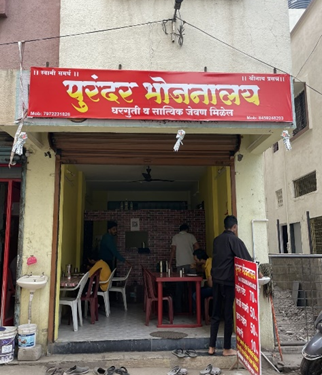
Following the loss of employment, the family encountered increased financial difficulties. They started selling vegetables at the local market. Each morning, they procured fresh vegetables and sold them at the roadside, earning approximately Rs. 3,000 in profit per month. During this period, he kept pursuing his passion for cooking and began experimenting with new recipes and adding unique twists to simple dishes, bringing joy to those who enjoyed his food. Subsequently, he established a small catering business named as Purandar Bhojanalya where people could dine and experience happiness.
Through one of his friends, Rushikesh attended a two-day business training organized by the Centre for Youth Development and Activities. The training taught him how to run a small business, including planning, saving, and customer satisfaction. He also learned the difference between needs and wants and how to use resources properly. The 10K grant supported by CYDA helped him buy plates, tables, chairs, and other kitchen items.
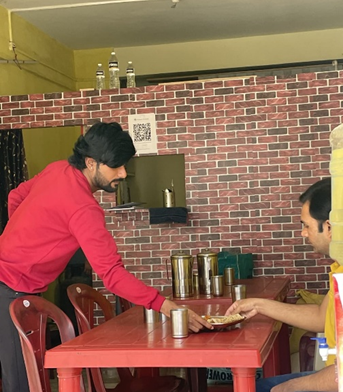
Soon, their business began to grow. One satisfied customer told another, and the small mess started to expand. Within a few months, Rushikesh was serving 30 to 40 customers daily—students, workers, and even families. Their income increased from Rs.3,000/- to Rs.15,000/- per month. The mess became a warm, friendly place where everyone was treated equally, regardless of who they were.
Today, when people come to eat, they don’t just enjoy the food—they admire Rushikesh’s strength and kindness. Their once painful journey has become a story of pride and courage. They no longer feel ashamed or afraid of being who they are. Instead, they proudly share their story and encourage others in the transgender community to believe in themselves. “I want everyone to live with love and dignity,” Rushikesh says. “We all deserve a chance to prove ourselves.”



This Post Has One Comment
That great And Congratulations To Rishikesh And CYDA 💐