
By Anamika Dey, Project Coordinator,
Supported By Kcorp Charitable Foundation
Maternal health and nutrition play a critical role in determining the well-being of both mother and child. In rural and tribal communities, early marriage, low literacy levels and lack of health awareness often contribute to malnutrition and poor maternal outcomes. Let’s follow the journey of a young woman whose life was transformed through the support of the Centre for Youth Development and Activities, part of the Health and Nutrition project.
A young woman’s challenges
Seema Pawara, married at the young age of 18, lives in the tribal areas of Talawadi, Shahada block of Nandurbar district. She became a mother at 20 years old. She was involved in agriculture to support her family. Being illiterate, poor economic hardships, lack of knowledge and access to health care, she experienced critical challenges such as nutritional deficiencies (as she had gained only 42 kg till the third trimester of pregnancy with 8gm/dl of haemoglobin count), a low birth weight baby and improper breastfeeding practices, during her first pregnancy. The ASHA and Anganwadi Worker were aware of the mother’s poor nutritional status. The infant Sharvari, born on June 25, 2025, weighed only 1.600 kg. The Anganwadi Worker reported that a cesarean delivery was conducted at Nandurbar Civil Hospital due to convulsions.
- Nutritional Deficiency
- Inadequate Breastfeeding
- Improper Breastfeeding Position
- Health Risks for the Infant
These challenges reflected broader issues in maternal health—early marriage, lack of education, and insufficient access to nutrition and healthcare information.
A ray of hope
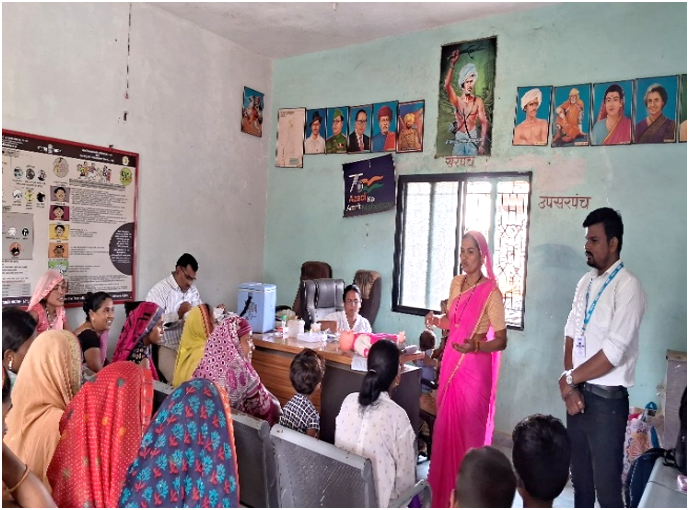
During World Breastfeeding Week, CYDA’s Village Health Workers conducted a session at the local vaccination camp. She demonstrated using a dummy baby, the correct breastfeeding positions, feeding intervals and techniques to ensure adequate milk flow. Seema was a part of this camp where she learnt that simple posture changes and feeding at regular intervals could bring a significant health improvement in her baby’s health.
Through the nutrition camp, mothers like Seema learnt the relationship between maternal diet and infant growth. Village Health Workers introduced locally accessible and affordable foodstuffs such as green leafy vegetables, pulses, millets, jaggery and seasonal fruits, which could boost the diet of breastfeeding mothers. She also counselled the mothers on the importance of a balanced diet during pregnancy and the lactation period. Additionally, the protein count is being monitored on a monthly basis by Village Health Workers. Since then, Seema has focused on her healthy eating habits.
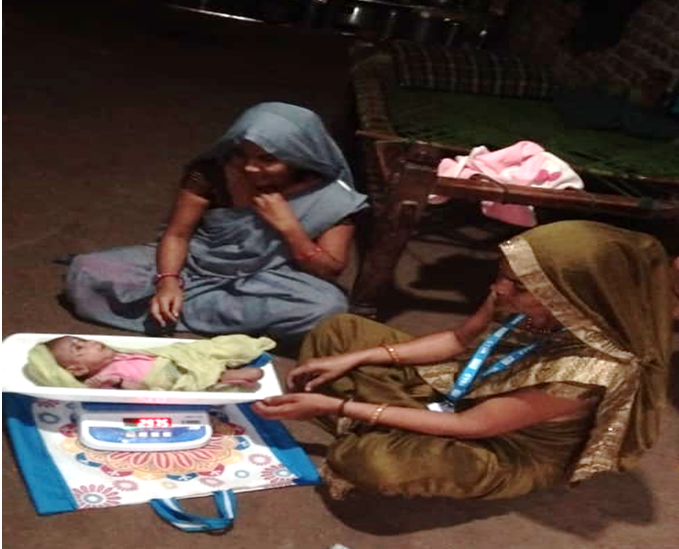
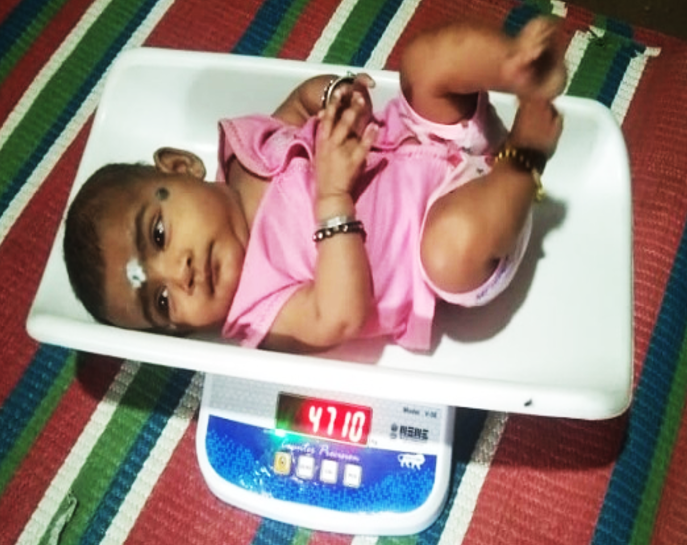
Other young mothers in the village began adopting proper breastfeeding and nutritional practices after witnessing progress in Seema’s health. Early marriage and illiteracy continue to contribute to poor maternal health outcomes, making young mothers more vulnerable to complications. However, practical demonstrations and awareness sessions held at the community level have proven effective in changing behaviour and improving understanding. These sessions highlight how locally available and affordable foods can meet essential nutritional needs when used correctly. Along with this, continuous monitoring and regular counselling play a crucial role in ensuring long-lasting improvements in both maternal and child health.
