By Rohit Salunkhe, CRC Coordinator
Supported by: Atlas Copco
In today’s fast-changing world, adolescents are growing up along with academic pressure, social expectations and emotional challenges. At this crucial stage of development, they are trying to understand the world around them and are discovering who they are. However, many young learners struggle to manage their emotions, communicate effectively, and make responsible choices because they are not fully aware of essential life skills or their importance in daily life. This lack of awareness often leads to stress, low self-confidence, poor decision-making and difficulty in handling peer pressure or real-life challenges.
Recognizing these pressing issues, Centre for Youth Development and Activitiestook the initiative to bridge this gap by introducing Life Skills Education – a program designed to empower adolescents with the knowledge, attitudes and abilities needed to lead confident, responsible, and emotionally balanced lives.
Building confidence through self-awareness
The mirror talks and reflection exercises allowed students to explore their thoughts and emotions deeply. For many learners, it was the first time they could strongly recognize their strengths and values. Gradually, they began expressing their feelings with confidence both at home and in school.
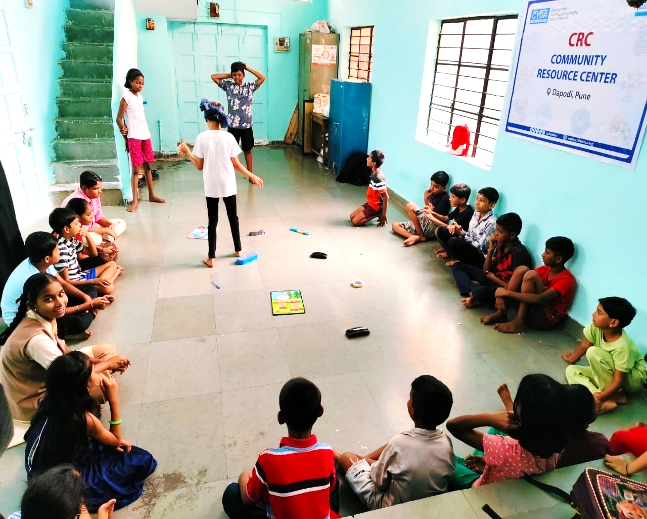
One 14-year-old student, Ms.Mahek Indamdar, shared, “I had never thought about what is good me before. Now I realise that I am good at understanding others.” Such realizations boosted a strong sense of self-belief and motivation among adolescents, many of whom became more active and positive in classroom participation.
Communicating with clarity and respect
Through storytelling, listening exercises and body language games, adolescents practiced clear, communication. This improved their classroom interaction and strengthened their relationships with peers and family.
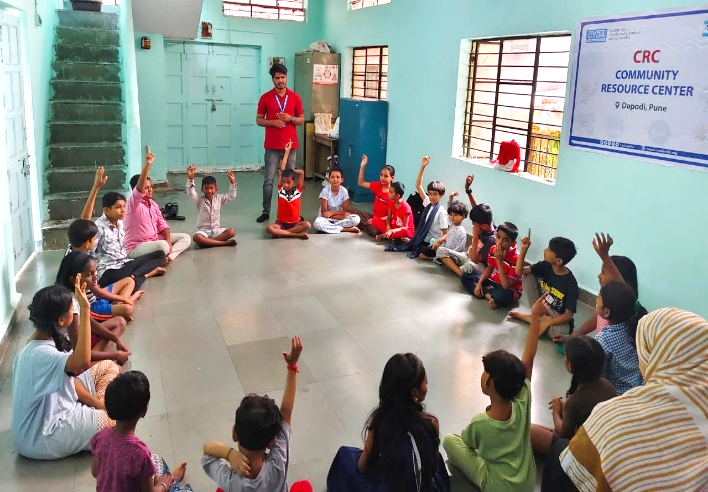
One 13-year-old Ms.Alisha Kachi shared – “I realized today that my face and my voice also communicate something. I will now try to listen more carefully.” Enhanced listening skills and respectful dialogue helped to reduce misunderstandings and build mutual respect.
Discovering the power of Teamwork
Team games and group problem-solving activities highlighted the significance of collaboration and shared responsibility. Students learnt to appreciate others’ opinions and discovered that collective effort leads to good results. The spirit of teamwork was truly reflected, when adolescents joined hands to plan, organize, decorate and perform during Independence Day and the parents’ meeting independently.
A 13-year-old student, Mst. Ayan Shaikh, shared that, “When we worked together, things got done faster. I learnt that everyone has something valuable to contribute.”
A total of 34 adolescents participated in the Life Skills Education session at CRC Dapodi. Pre- and post-session observations and feedback revealed significant improvements in confidence, communication, and teamwork among participants.
| Indicators | Pre-Session (Out of 34) | Post-Session (Out of 34) | % Improvement |
| Active participation in group discussions | 12 adolescents (35%) | 28 adolescents (82%) | +47% |
| Confidence in expressing emotions/opinions | 14 adolescents (40%) | 26 adolescents (76%) | +36% |
| Effective teamwork and collaboration | 11 adolescents (32%) | 27 adolescents (79%) | +47% |
| Positive communication and respectful listening | 13 adolescents (38%) | 29 adolescents (85%) | +47% |
| Classroom conflicts and peer misunderstandings | Frequent (observed in 16 adolescents – 47%) | Reduced to 8 adolescents (24%) | 50% reduction |
Before the session, only a small portion of adolescents (around one-third) demonstrated active participation and emotional confidence. After the Life Skills intervention, more than three-fourths of the group showed marked improvement in expressing themselves, listening respectfully, and working together as a team. Teachers reported fewer peer conflicts and greater mutual understanding among students. These measurable results clearly show that Life Skills Education has positively transformed adolescents’ behaviour, enhancing their confidence, empathy, and sense of responsibility.
Adolescents could feel a supportive and safe space at the Community Resource Center, as the life skills sessions brought a change in their lives, where they can express themselves confidently. They began managing emotions better, understanding and taking initiative in school and community activities as well, as school teachers, parents and CYDA facilitators witnessed enhanced self confidence and leadership qualities among adolescents.
Visible Change:
- Improved self-confidence and self-expression
- Healthier peer relationships
- Increased participation in school and community events
- Stronger empathy and leadership qualities
- Clear communication, managing emotions
Life Skills Education is helping young individuals become thoughtful, capable, and socially responsible citizens ready to face life’s challenges with courage and positivity.